
Pleuroflammula ragazziana
Pleuroflammula ragazziana
Description
Symptoms
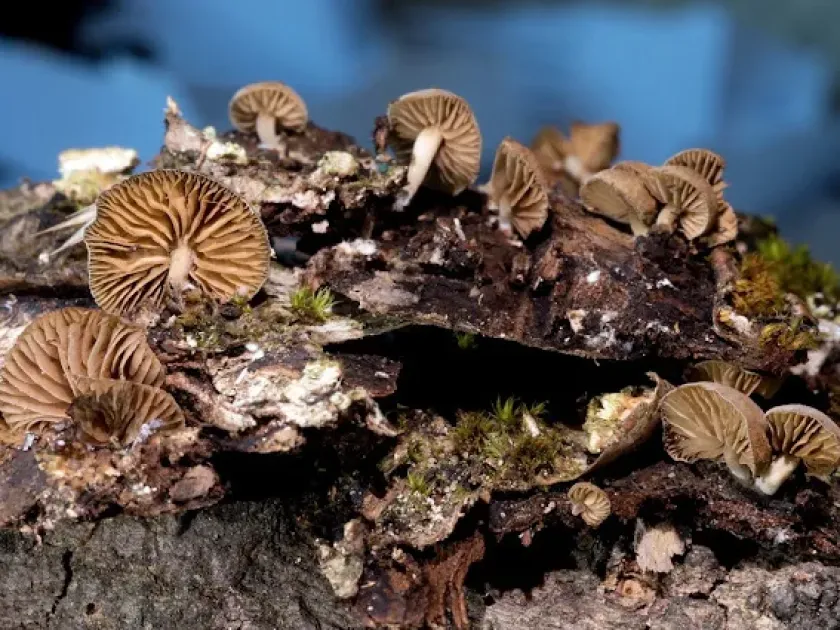
The most visible sign of Pleuroflammula ragazziana infection is the emergence of small, ochre-yellow to brown fruiting bodies on the trunk or large branches. These are often seen clustered around areas of damaged or decaying bark.
A definitive symptom of internal infection is the change in wood texture and color. Upon investigation of affected wood, one can observe localized areas of rot, indicating that the fungus has already penetrated and begun structural decomposition.
While an infected tree may appear outwardly healthy for some time, the presence of fruiting bodies confirms that internal damage has progressed significantly. Advanced stages of the disease manifest as bark sloughing and the drying out of major skeletal branches.
Mycelial mats, typically off-white or yellowish in color, can often be found beneath loose bark or within deep fissures, serving as active hubs for fungal expansion throughout the growing season.
Reduced crown vitality, premature leaf drop, and decreased annual growth are secondary symptoms caused by the disruption of the tree's vascular system as the fungus consumes the heartwood or sapwood.
Pathogen
Pleuroflammula ragazziana is a wood-decay fungus belonging to the Strophariaceae family. It is typically classified as a xylotrophic pathogen that behaves as a facultative parasite, capable of transitioning between parasitizing living tissue and saprotrophic feeding on dead wood.
The pathogen is known for its ability to cause structural decay in timber. It infects trees by colonizing damaged areas of the trunk or branches, where it deploys a sophisticated enzymatic system to break down lignin and cellulose components of the cell walls.
The biology of this fungus is intrinsically linked to tree wounds, such as cracks in the bark or pruning sites. Spores, when landing on these exposed areas, germinate to form a mycelial network that systematically penetrates the wood tissue.
As the mycelium spreads, it gradually degrades the internal structure of the tree. Eventually, the fungus develops visible reproductive structures, or fruiting bodies, on the bark, which release spores to continue the lifecycle.
The development of this species is highly dependent on environmental conditions, making it particularly prevalent in forest ecosystems or older orchards where trees have sustained mechanical or physiological damage.
Conditions for development
The development of Pleuroflammula ragazziana is strictly controlled by moisture levels within the wood and atmospheric humidity. Mild temperatures accompanied by high humidity are the ideal conditions for spore germination and active colonization.
The fungus preferentially targets trees already under physiological stress, including those affected by frost, drought, or poor management practices. Mechanical wounds serve as the primary entry point for the initial infection.
Exposed wood that lacks protective barriers, such as pruning sealants or fungicides, is highly vulnerable to colonization. Once the fungus establishes itself in these entry points, it can quickly advance deep into the woody tissues.
Spore dissemination is largely achieved via wind currents, allowing the pathogen to spread across forest stands or orchards. High planting density can further facilitate rapid transmission between neighboring trees.
Failure to implement regular sanitation measures, such as the removal of infected wood debris, provides a constant reservoir for the fungus, making it difficult to control the disease in the following years.
Why it matters
The primary damage caused by Pleuroflammula ragazziana is the irreversible decay of wood structural components. This increases the tree's vulnerability to windthrow and stem breakage, posing a safety risk to the surrounding area.
Long-term fungal activity causes the progressive death of the host tree. By obstructing water and nutrient transport, the pathogen severely weakens the tree, leading to reduced growth and diminished yield in fruit-bearing species.
The economic consequences are significant, as heavily infested trees often require professional removal and destruction to prevent further spread. In forestry, the fungal decay reduces the market value of the timber, rendering it unsuitable for high-quality usage.
In addition to structural decay, infested trees often become secondary targets for wood-boring insects, which further exacerbate the health decline and accelerate the tree's death.
The presence of the fungus creates a persistent infection source within the garden or forest, threatening nearby trees and requiring rigorous intervention to contain the spread of the pathogen.
Protection
Effective control requires strict adherence to sanitary practices, including the regular monitoring of tree health and the prompt removal of all wood showing signs of fungal fruiting bodies. These materials should be burned to eliminate the spore source.
Proactive care involves the careful sealing of all pruning wounds with appropriate antiseptics or wound dressings. This prevents the initial colonization by fungal spores that might land on fresh wounds.
Maintaining high vigor in trees through proper irrigation and balanced fertilization helps boost the plant's natural immune system, enabling it to better resist opportunistic fungal infections.
If localized lesions are discovered on the trunk, surgical removal of the infected tissue until reaching healthy wood, followed by the application of copper-based disinfectants, can sometimes halt the progress of the infection.
General orchard sanitation, including the removal of old stumps and dead wood, is critical to lowering the overall infection pressure and minimizing the risk of outbreaks in both ornamental and fruit-bearing tree stands.
Discussion
No discussions yet — be the first.