
Pleuroflammula
Pleuroflammula
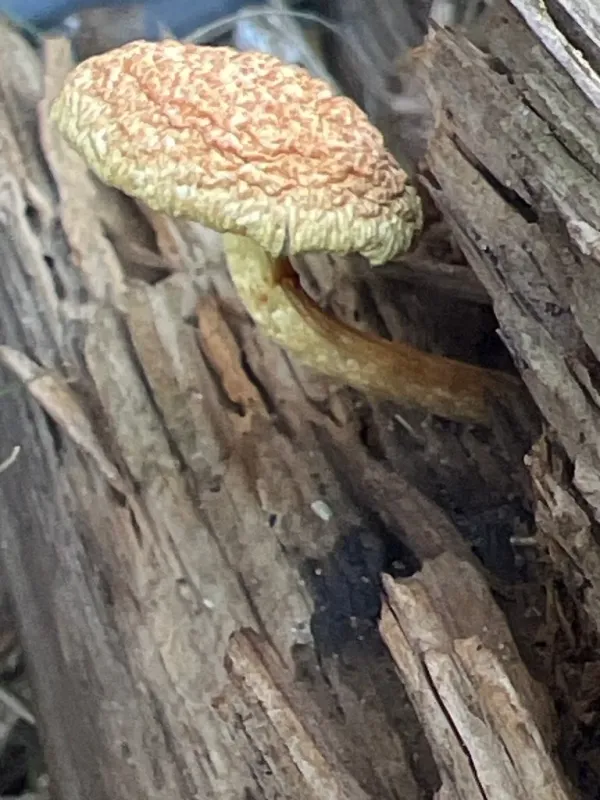
Description
Symptoms
The primary symptom of infection is the emergence of fungal fruiting bodies on the surface of the bark, particularly around pruning sites or damaged areas. These bodies are often yellowish or brown and indicate that the mycelium has established itself internally.
Host trees frequently display premature leaf yellowing or needle browning, even when moisture levels are sufficient. This occurs because the internal fungal network clogs the vascular system, preventing water and minerals from reaching the canopy.
The bark often becomes brittle, showing fissures or necrotic patches. If the outer layer is removed, the wood beneath may show signs of discoloration or softening, indicating the presence of rot caused by the Pleuroflammula mycelium.
A significant sign is the weakening of the trunk or limbs. In advanced cases, the wood becomes spongy and loses its density, leading to localized indentations or hollows that make the tree highly susceptible to breakage during heavy winds or snow loads.
Finally, a general decline in the tree's vitality is observed. Decreased seasonal growth, dieback of the upper branches, and an inability to recover from minor stressors are typical clinical indicators that the tree's internal architecture is failing.
Pathogen
Pleuroflammula is a genus of fungi belonging to the family Hymenogastraceae. In forestry and agriculture, these fungi are identified as facultative parasites capable of colonizing stressed or wounded woody plants, eventually causing structural decay.
The pathogen is a basidiomycete that secretes enzymes to break down lignin and cellulose within the wood. The mycelium aggressively infiltrates the xylem, leading to a loss of structural integrity and interfering with the tree's natural transport of water and nutrients.
Biologically, this organism often functions as a saprotroph, feeding on decaying organic matter. However, it readily shifts to parasitism when encountering weakened hosts, capitalizing on a host's suppressed immune system to expand its network inside the timber.
The fungus produces distinctive fruiting bodies that usually emerge on the bark of trunks or branches. The appearance of these caps is a clear signal that the internal colonization of the wood is already well advanced and the infection is actively consuming the host.
The life cycle involves spore production facilitated by moisture and wind. Once released, spores can travel long distances, infecting other trees through cracks in the bark, pruning wounds, or existing damage caused by frost or insect infestation.
Conditions for development
The development of the fungus is strictly dependent on high humidity and excessive moisture. Periods of heavy, persistent rain provide the ideal environment for spores to germinate and for the mycelium to spread rapidly within the wood tissue.
Mechanical injuries are the most common entry points for the pathogen. Frost cracks, injuries from heavy machinery, poor pruning techniques, or damages left by borers create pathways that allow spores to bypass the protective outer layer of the bark.
Stress factors such as drought, nutrient deficiency, or soil compaction severely weaken a plant's defenses. A tree struggling to survive is unable to effectively compartmentalize the infection, allowing the fungus to spread without significant resistance.
The optimal temperature for rapid growth typically falls between 15°C and 25°C. In temperate climates, spring and autumn seasons provide these specific conditions, leading to aggressive mycelial growth and subsequent sporulation.
Dense, poorly managed plantings with limited air circulation promote stagnant conditions. This microclimate prevents bark from drying after rainfall, ensuring that spores remain viable and that the infection can easily jump from one tree to another.
Why it matters
The most severe harm caused by Pleuroflammula is the degradation of the tree's structural integrity. Rotting wood cannot support the weight of the canopy, leading to potential limb breakage or, in extreme cases, the total collapse of the tree.
Infection leads to a significant loss of productivity in orchards and a decline in aesthetic value in ornamental gardens. The metabolic disruption caused by the fungus means fewer fruits, lower quality harvests, and eventually, the death of the specimen.
The disease is highly contagious within a garden or plantation. Once a single tree is infected, it acts as a reservoir for spores, making nearby trees increasingly likely to succumb to the infection if environmental conditions are favorable.
Once infected, a tree becomes vulnerable to secondary attacks. Boring insects and other opportunistic pathogens often colonize the area weakened by Pleuroflammula, compounding the stress and accelerating the tree's eventual decline.
Because the disease is often invisible until the fruiting bodies appear, it is frequently diagnosed too late for medical treatment. This necessitates the removal of infected trees, resulting in significant financial and labor losses for the landowner.
Protection
Good sanitation is the cornerstone of control. Regularly pruning and removing dead or infected wood helps to contain the infection. It is vital to disinfect pruning tools with a chemical agent after each use to prevent transferring spores to healthy plants.
All open wounds, especially those resulting from storm damage or deliberate pruning, must be sealed. Applying antiseptic wound dressings or fungicides to exposed wood helps to create a barrier that prevents spore infiltration.
Maintaining tree vigor through proper fertilization and irrigation is essential. A well-nourished tree has the energy to activate its natural defenses, which can often contain minor infections and prevent them from becoming systematic.
Where appropriate, systemic fungicides can be applied as a preventive or curative measure. These treatments are most effective if applied early in the infection cycle and must be repeated according to the manufacturer's instructions for maximum protection.
Preventive landscaping, including thinning out overly dense groves, improves airflow and light penetration. By ensuring that trunks dry quickly after rain and keeping the area free of woody debris, the environment becomes far less hospitable to fungal growth.
Discussion
No discussions yet — be the first.