
Pleosphaerulina leaf spot of rose
Pleosphaerulina rosicola
Description
Symptoms
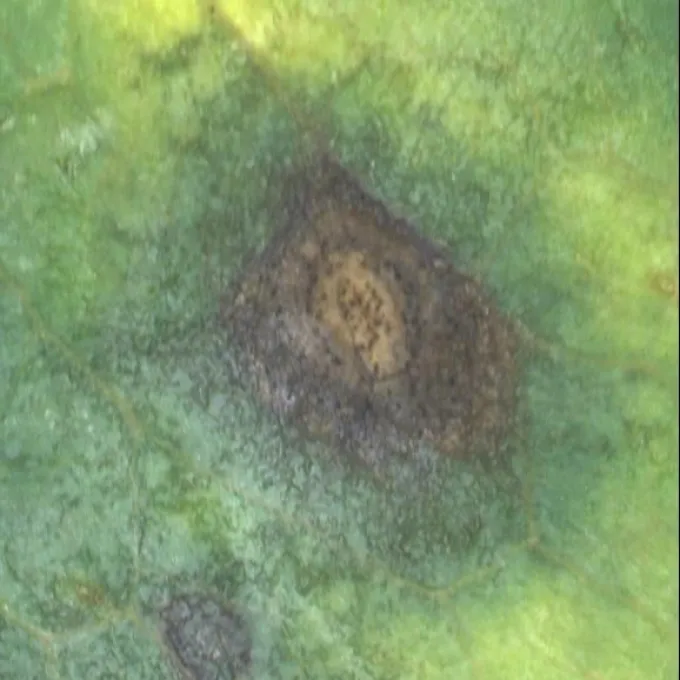
Initial symptoms include small, irregular spots on the leaves, which often appear light brown, reddish, or grayish in color depending on the stage of development.
As the spots expand, they typically develop a darker, more defined margin, marking the boundary between diseased and healthy tissues on the leaf blade.
Small black fruiting bodies, known as perithecia, appear as dots within the center of the necrotic spots. These are clear signs of fungal reproduction and sporulation.
Severe infection often results in chlorosis (yellowing) followed by premature leaf drop, which leaves the plant canopy sparse and significantly weakened.
Lesions can occasionally manifest on young shoots as elongated, dark streaks or cankers, which may lead to dieback if the fungus girdles the stem.
Pathogen
The disease is caused by the fungus Pleosphaerulina rosicola, which belongs to the Ascomycota phylum. It acts as a specialized plant pathogen targeting roses by colonizing leaf tissues.
The fungus survives the winter season in infected fallen leaves and other organic debris. In the spring, these remnants release spores that trigger primary infections during favorable weather.
Dissemination is facilitated by splashing rain, irrigation water, and wind currents, which carry microscopic spores to healthy leaves and stems throughout the garden.
Once the spores land on a host, they germinate and penetrate the epidermis. The pathogen then develops mycelium within the leaf, which leads to tissue necrosis and the visible signs of the infection.
Understanding the life cycle of Pleosphaerulina rosicola is essential for timing the application of fungicides to prevent the spread of the disease during the peak growing season.
Conditions for development
Warm and humid conditions are the primary drivers of this disease. The fungus thrives when high moisture levels remain on the leaf surface for extended periods.
Poor airflow, caused by planting roses too close together or neglecting pruning, creates a stagnant microclimate that traps moisture and favors fungal growth.
Frequent rainfall and overhead irrigation, especially when performed late in the day, contribute to the rapid germination of spores and secondary disease cycles.
The disease is most prevalent in the mid-to-late summer months when temperature and humidity levels overlap, allowing for rapid colonization of the foliage.
Poor site sanitation, including leaving leaf litter on the soil, ensures that the pathogen remains present in the immediate environment from one year to the next.
Why it matters
The primary impact of the infection is the loss of photosynthetic leaf area, which severely limits the plant's ability to produce energy for growth and blooming.
The aesthetic value of the rose bush is heavily compromised due to widespread spotting and defoliation, rendering the plant unsuitable for landscape display.
Long-term health is threatened as the plant loses its vitality, leading to reduced vigor, smaller flower production, and increased susceptibility to winter damage.
If left unmanaged, chronic infections can cause the gradual decline of the plant, often leading to stunted growth and eventually death in sensitive varieties.
For commercial growers and nurseries, this disease causes significant economic loss due to the rejection of infected stock and the ongoing costs of chemical treatments.
Protection
Sanitation is the first line of defense; gathering and disposing of all infected fallen leaves in the fall is critical to reducing the primary inoculum for the next spring.
Cultural practices such as pruning to improve air circulation and ensuring proper spacing between bushes help keep the foliage dry and less hospitable to the fungus.
Preventive fungicide applications, starting early in the season, can be highly effective in limiting the spread of Pleosphaerulina rosicola.
- Application of copper-based fungicides as a preventive measure.
- Use of systemic fungicides containing triazoles or strobilurins for curative control.
- Removal and destruction of infected stems during routine maintenance.
Proper irrigation management, specifically avoiding wetting the leaves, is essential to minimize the time the foliage remains damp throughout the day.
Discussion
No discussions yet — be the first.