
Pleosphaerulina leaf spot
Pleosphaerulina
Description
Symptoms
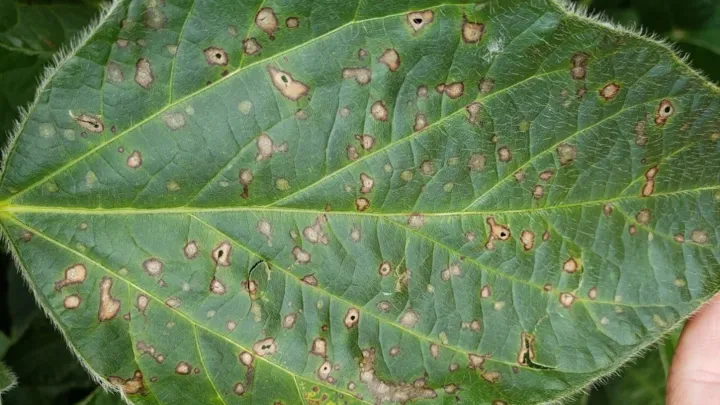
Pleosphaerulina leaf spot is characterized by the appearance of distinct lesions on the leaves and petioles of the host plant. Initially, these spots manifest as small dots that gradually enlarge into irregular shapes.
The color of the affected areas typically ranges from light yellow to brown, often surrounded by a darker, necrotic margin. Surrounding healthy tissue may also show signs of chlorosis due to the stress caused by the fungus.
In humid conditions, small black fruiting bodies known as perithecia develop in the center of the spots. These structures are visible to the naked eye and are a key feature for identifying the disease in the field.
As the infection progresses, the lesions can cause premature senescence of the leaves. Severely affected leaves often curl, dry out, and fall off, reducing the plant's overall leaf area.
Stems may also show symptoms, leading to wilting and general decline. This damage is particularly detrimental in forage crops where leaf biomass is the primary economic target.
Pathogen
The disease is caused by the ascomycete fungus Pleosphaerulina briosiana. This pathogen is a specialized parasite that targets various leguminous plants, especially alfalfa.
The fungus survives the off-season period primarily as mycelium or as fruiting structures embedded in dead plant tissues left on the soil surface. This allows it to persist even in the absence of a host.
During the spring, the pathogen releases ascospores from its fruiting bodies, which serve as the primary inoculum. These spores are spread by wind or water splashes to young, susceptible foliage.
Secondary infection occurs through conidia, which can propagate the disease throughout the growing season. This cycle allows for rapid spread during favorable environmental conditions.
The fungus absorbs nutrients directly from the living tissues of the plant. By disrupting cellular functions and consuming resources, it leads to localized tissue necrosis and plant decline.
Conditions for development
Pleosphaerulina development is strongly favored by warm, humid weather. Optimal temperatures for the fungus range between 18 and 25 degrees Celsius, which often coincides with peak growing seasons.
Rainfall and high humidity are essential for the germination of spores. Water splashes from rain are the main mechanism for spreading the pathogen from infected debris to lower leaves.
Densely planted crops often suffer more due to poor air circulation within the canopy. This microclimate remains humid for longer periods, providing the perfect environment for fungal colonization.
Dew and fog also play a significant role in disease progression. Even in the absence of rain, these moisture sources provide enough water for spores to penetrate the leaf surface.
Cultural practices that leave excessive crop residue on the field surface provide a reservoir for the pathogen. Proper management of debris is crucial for minimizing the initial inoculum levels.
Why it matters
The primary damage caused by Pleosphaerulina is the reduction of forage quality and yield. The loss of leaf area significantly lowers the photosynthetic capacity of the plant.
Infected leaves have reduced nutritional value, as the fungus degrades chlorophyll and other vital plant components. This makes the harvested forage less suitable for livestock feed.
The disease negatively impacts the plant's winter hardiness. Infected plants enter the winter in a weakened state, increasing the risk of mortality and stand thinning.
On seed production fields, the disease can reduce both the quantity and the viability of the seeds. This leads to economic losses beyond just the loss of hay or green matter.
Under favorable conditions for the disease, significant portions of the crop can be lost. Farmers must monitor fields closely to ensure that outbreaks do not reach levels that compromise total production.
Protection
Crop rotation is the most effective preventative strategy. By planting non-host crops for several years, farmers can starve the pathogen and reduce its presence in the soil.
Deep plowing and residue management are vital. Burying infected crop debris effectively removes the primary source of overwintering inoculum from the soil surface.
Early harvesting of forage crops can help mitigate the impact of the disease. Cutting the crop before the pathogen spreads can save a significant portion of the harvest from being damaged.
The use of resistant or tolerant cultivars is a long-term solution. Genetic resistance minimizes the need for chemical intervention and provides a sustainable way to manage the disease.
In commercial operations, fungicides may be used if the disease pressure is high. Treatments should be timed according to local recommendations to ensure maximum efficacy and adherence to safety protocols.
Discussion
No discussions yet — be the first.