
Pleomassariaceae fungi
Pleomassariaceae
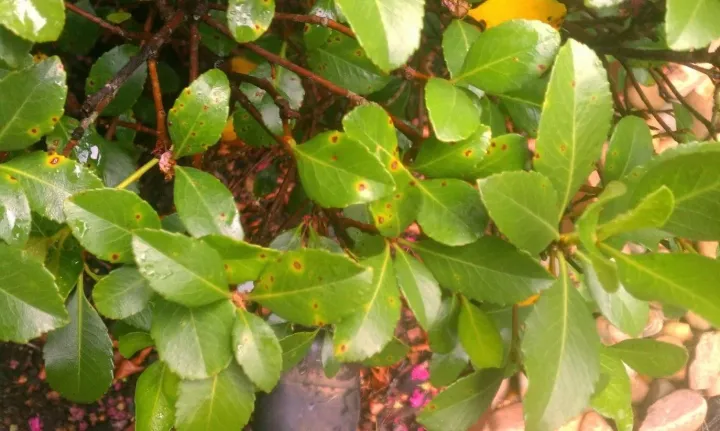
Description
Symptoms
Visual symptoms of infection by Pleomassariaceae fungi appear primarily on the bark and branches. Small, characteristic bumps form on the surface of the affected areas, which are the exit points for the fungus's fruiting bodies.
Localized bark necrosis is commonly observed, which may encircle individual branches or the trunks of young trees. The color of the bark in the affected zone typically changes to dark grey or black due to the accumulation of fungal spores.
Premature wilting of leaves and shoots above the necrotic area is a frequent symptom. This occurs because the infection damages the vascular system, blocking the transport of water and essential nutrients to the canopy.
Under the dead bark, the development of fungal mycelium is often visible as thin light filaments or dense layers. In advanced stages, the affected tissue becomes brittle and separates easily from the healthy wood.
Sometimes the disease manifests as deep cracks in the trunk, which serve as entry points for secondary infections. Such damage requires careful monitoring during routine garden maintenance inspections.
Pathogen
The causative agents of this disease are fungi belonging to the family Pleomassariaceae, within the order Pleosporales. These ascomycetes often act as saprotrophs or weak parasites on various woody trees and shrubs in temperate climates.
Members of this family form specific fruiting bodies known as pseudothecia, which are embedded within the bark or tissues of the host plant. Inside these bodies, asci containing ascospores develop, serving as the primary source of infection during the spring season.
The biology of these fungi is closely linked to the decomposition of woody tissues, where they can survive for extended periods. Their life cycle often includes anamorph (conidial) stages that enhance the dispersal of the pathogen throughout the growing season.
The mycelium actively grows within intercellular spaces, eventually transitioning to necrotrophic nutrition. This process leads to the gradual death of the affected plant tissues, marking these fungi as significant pathogens in forest and orchard environments.
Taxonomically, the family includes several genera primarily targeting weakened trees. While they often colonize dead branches, they can spread to healthy tissues under conditions that favor pathogen development.
Conditions for development
The development of Pleomassariaceae fungi is favored by periods of high humidity and moderate temperatures. Rainfall during spring and autumn triggers spore release, leading to the widespread infection of susceptible trees.
Mechanical damage to the bark is a primary factor in the spread of the disease. Frost cracks, sunscald, and pruning wounds create ideal conditions for fungal spores to penetrate and colonize living plant tissues.
General physiological stress is a key driver of susceptibility. Trees suffering from nutrient deficiencies or drought stress lose their natural defense mechanisms, making them more vulnerable to fungal pathogens.
Densely planted, poorly ventilated areas contribute to a high inoculum load. Moisture stagnation in the canopy after rain accelerates spore germination and the formation of new fruiting bodies on branches.
Spore dispersal occurs via wind, rain splashes, and insect vectors. These insects can also cause fresh wounds on the bark, facilitating the entry of the fungus into the plant's internal tissues.
Why it matters
The damage caused by Pleomassariaceae fungi results in a gradual decline in the productivity and vigor of the plant. Systemic infection can lead to the loss of individual branches, reducing the ornamental value or yield of the orchard.
The pathogen often acts as a secondary agent, finalizing the decline of trees already weakened by other stressors. This makes diagnosis challenging and requires a comprehensive approach to tree management.
Damage to the bark's integrity provides an opening for decay-causing microorganisms, leading to the development of internal wood rot. This renders the tree structurally unstable and dangerous in windy conditions.
Economic losses are particularly noticeable in nurseries, where infected seedlings may be discarded entirely. Reduced growth rates and loss of aesthetic quality are critical indicators of the disease's impact.
In fruit production, infection of scaffold branches can lead to the loss of significant portions of the canopy. Consequently, the tree loses its fruiting capacity and may require radical corrective pruning or removal.
Protection
The foundation of control is timely sanitary pruning and the destruction of infected shoots. All plant debris should be removed from the site and burned to prevent the further spread of fungal spores.
To prevent infection, it is necessary to monitor bark condition and promptly seal any damage. The use of specialized tree wound dressings or antifungal paints helps protect open wounds from fungal colonization.
Regular preventive spraying with broad-spectrum fungicides is essential, especially during early spring before the start of sap flow. Copper-based preparations have proven effective in managing bark-related fungal infections.
Agrotechnical practices should focus on strengthening plant immunity. Regular fertilization, proper irrigation, and optimal planting density help trees resist the progression of the disease.
- Thinning the canopy to improve air circulation.
- Whitewashing trunks to protect against sunscald and frost cracks.
- Collecting and disposing of fallen leaves and bark.
- Controlling wood-boring and bark-damaging insects.
- Using bio-fungicides to suppress fungal flora.
Discussion
No discussions yet — be the first.