
Pinnularia
Pinnulariaceae
Description
Symptoms
The primary symptom of a Pinnularia outbreak is the development of a slimy, greenish-brown or rusty-colored crust on the soil or potting substrate.
Upon drying, this algal mat becomes a brittle, semi-impermeable layer that restricts oxygen flow to the root system of young plants.
Affected seedlings often exhibit stunted growth, chlorosis, and general weakness, which are typical symptoms of root zone hypoxia.
During high humidity, the surface of the soil can appear greasy or slippery, indicating an active growth stage of the diatom colony.
In severe cases, the algal mat can completely cover the seedbed, preventing delicate seedlings from penetrating the soil surface.
Pathogen
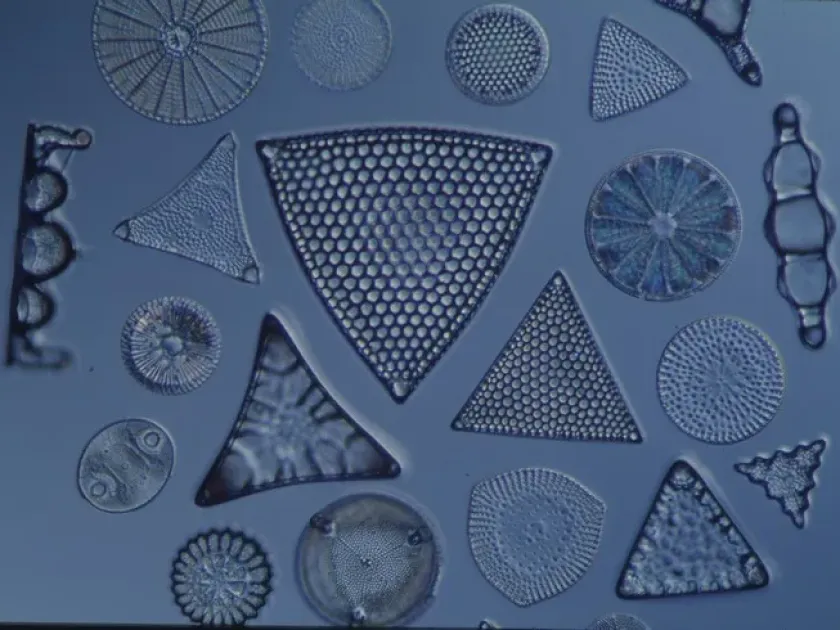
Pinnularia is a genus of diatom algae (Bacillariophyta) characterized by a unique silica-based cell wall, known as a frustule, which has a distinct pinnate pattern.
These organisms are ubiquitous in nature and play a significant role in soil ecology, though their massive proliferation in agriculture is considered undesirable.
Pinnularia species are autotrophic, meaning they rely on photosynthesis, making them highly dependent on light exposure to colonize surfaces.
In greenhouses, these algae do not directly infect plant tissues as parasites, but they create a deleterious environment that disrupts normal plant physiology.
Understanding their biology is essential for greenhouse management, as their population density is a biological marker for specific environmental conditions.
Conditions for development
Persistent moisture on the surface of the substrate is the primary factor driving the colonization of Pinnularia in greenhouse environments.
High light intensity, especially under supplementary artificial lighting, provides the necessary energy for rapid photosynthetic proliferation of diatoms.
Poor ventilation leads to reduced evaporation rates, maintaining the high surface humidity required for these organisms to thrive.
Over-fertilization, particularly with phosphorus and nitrogen, encourages algal blooms by creating a nutrient-rich environment on the substrate surface.
Compacted, poorly structured soils that retain water are significantly more prone to being colonized by these algae compared to well-drained media.
Why it matters
The most significant impact is the mechanical blockage of gas exchange, which causes severe stress to plant roots due to lack of oxygen.
Diatom blooms compete with crops for readily available nutrients in the top layer of the substrate, reducing overall growth rates.
The accumulation of algal biomass creates a micro-environment that can harbor and stimulate the development of damping-off pathogens.
Algal crusts can alter the pH levels of the surface substrate, potentially affecting the availability of micronutrients for plant uptake.
The aesthetic value of ornamental nursery crops is severely degraded, making the plants unsellable if a thick algal crust is present.
Protection
Maintaining a dry surface is the most effective prevention strategy, achievable through drip irrigation rather than overhead sprinkling.
Top-dressing the substrate with a thin layer of horticultural perlite or grit can physically block light from reaching the soil surface.
Regular cultivation or stirring of the topsoil layer disrupts the algal crust and promotes aeration, effectively limiting the spread of the colony.
Improving greenhouse ventilation and airflow is crucial to lower humidity levels and prevent the establishment of favorable growth conditions.
In severe infestation cases, applying specific algaecides approved for greenhouse use can effectively reduce the population without damaging the crop.
Discussion
No discussions yet — be the first.