
Pinnularia viridis
Pinnularia viridis
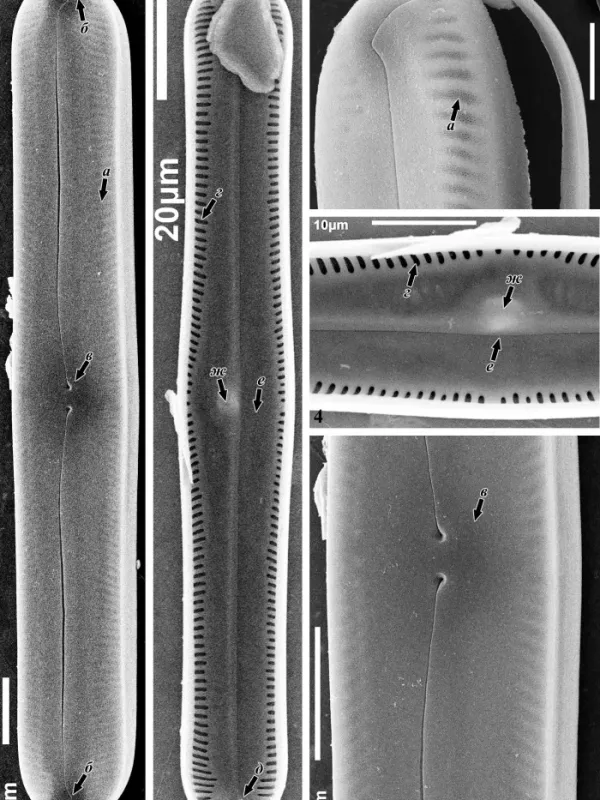
Description
Symptoms
The primary symptom of a Pinnularia viridis infestation is the development of a brownish or greenish slime layer on equipment surfaces.
In hydroponic setups, roots may become coated in a dense film, which effectively suffocates the root system and prevents nutrient uptake.
Water quality often declines, characterized by increased turbidity and the presence of floating debris or organic matter clusters.
Plants affected by significant algae coverage typically show signs of stunted growth, leaf yellowing, and general lack of vigor.
Microscopic inspection of the slime will reveal the presence of boat-shaped diatoms with the characteristic striations of the species.
Pathogen
Pinnularia viridis is a common species of diatom algae that acts as an environmental contaminant in agricultural water systems.
This organism belongs to the Bacillariophyta division, possessing a distinctive silica shell that makes it highly resilient to harsh conditions.
While not a disease-causing pathogen for plants in the medical sense, its proliferation causes significant disruptions in commercial crop production.
It is capable of rapid mitotic division, quickly colonizing surfaces in moist environments like hydroponic grow pipes and reservoirs.
The biology of this species is tied to its ability to thrive in fluctuating nutrient concentrations, making it a constant threat in closed-loop systems.
Conditions for development
Excessive exposure to light is the most significant factor that triggers the rapid growth of these diatom colonies.
High nutrient levels, particularly phosphorus and nitrogen from fertilizers, provide the fuel for explosive population growth.
The species prefers temperatures between 18 and 25 degrees Celsius, matching the environmental conditions of most modern greenhouses.
Poor circulation and the presence of dead zones in irrigation systems allow the algae to anchor and multiply undisturbed.
The interaction between pH levels and water alkalinity also dictates how effectively the organism can form its silica shell.
Why it matters
The main economic harm is the competition for nutrients, where algae consume minerals intended for the cultivated crop.
The biofilm formed by Pinnularia viridis restricts oxygen exchange at the root level, causing root rot and systemic stress.
Decomposition of accumulated algal biomass creates organic buildup that attracts secondary pathogens and anaerobic bacteria.
Mechanical failure of irrigation equipment, such as clogged emitters and fouled water pumps, leads to operational downtime.
Overall plant yield and health are significantly compromised due to the environmental imbalance caused by the algae presence.
Protection
Effective management begins with light exclusion; all reservoirs and tubing should be opaque to block photosynthetically active radiation.
Installing UV sterilization units in the water loop is a highly effective way to neutralize spores and cells before they bloom.
Implementing regular cleaning and system flushing routines helps remove any organic buildup before it can become a large-scale issue.
Maintaining precise fertilizer concentrations prevents the nutrient spikes that algae thrive on, ensuring only the crops are fed.
Mechanical filtration systems should be utilized to trap floating diatoms and keep the circulation system clear of organic debris.
Discussion
No discussions yet — be the first.