
Pinnularia
Pinnularia
Description
Symptoms
The most visible sign is the formation of a slimy or crusty layer on the soil surface, typically olive-green, brown, or yellow in color.
As the soil surface dries, this crust cracks and becomes brittle, effectively sealing the soil from proper air exchange.
Seedlings growing in affected areas often show signs of stunted growth, chlorosis, and a failure to thrive due to poor aeration.
The physical presence of the algal mat can prevent seed emergence, trapping the radicle and preventing it from penetrating the soil.
In extreme cases, the surface becomes perpetually wet and slimy, facilitating an increase in pest populations and fungal pathogens.
Pathogen
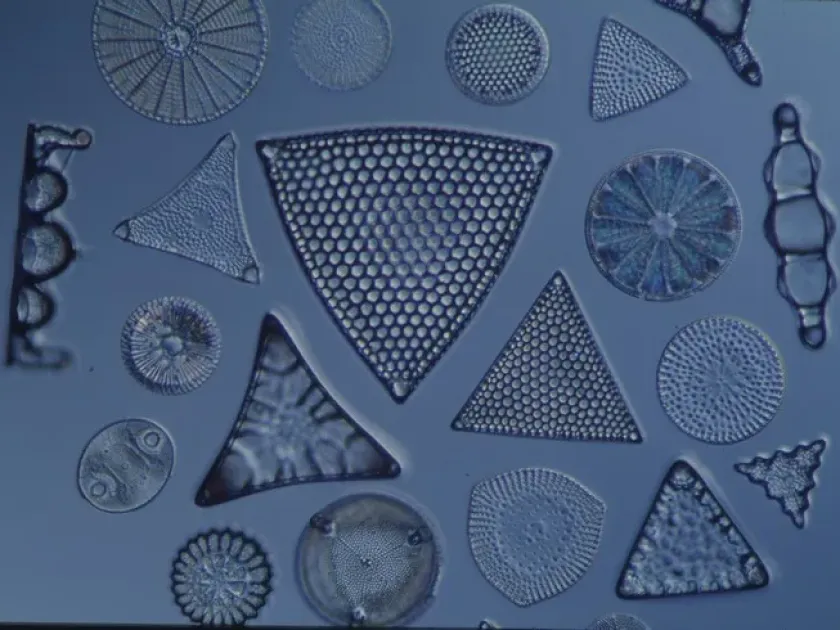
Pinnularia (lat. Pinnularia) is a genus of diatoms, which are single-celled algae often found in moist soil environments.
In professional agronomy, while they are not primary plant pathogens, their presence indicates unfavorable microclimatic conditions in the greenhouse.
These organisms possess a silica-based cell wall, which allows them to form a distinct, often brownish or green crust on the soil surface.
Their life cycle depends heavily on moisture and light availability, which explains their proliferation in seed trays and nursery beds.
As photosynthetic organisms, they thrive in high-light environments, competing with young plants for space and surface area.
Conditions for development
Excessive irrigation and poor drainage are the primary reasons for the rapid development of Pinnularia in greenhouse settings.
High light intensity, especially under artificial grow lights or direct sun, fuels the rapid photosynthesis and division of these algae.
Soils with high nutrient concentrations, particularly in the top layer, serve as a perfect culture medium for rapid colonization.
Lack of proper air circulation and high relative humidity prevent the soil surface from drying, encouraging the algae to spread.
Contaminated substrates or reusing old soil without sterilization can easily introduce these algae into a new planting cycle.
Why it matters
The main damage is caused by the physical blockage of the soil surface, which restricts the diffusion of oxygen to plant roots.
Algae consume available surface minerals, reducing the nutrient uptake efficiency for young, delicate seedlings.
The acidic or chemical shifts induced by algal respiration can alter the rhizosphere environment, affecting microbial health.
Seedling collapse often occurs due to the combined effect of restricted aeration and potential secondary infections promoted by the damp surface.
The overall market value of ornamental plants or vegetables is significantly reduced if the surface remains covered in unsightly algal mats.
Protection
Implement strict watering protocols that allow the soil surface to dry out periodically, which disrupts the algae's life cycle.
Manual cultivation of the topsoil layer is a highly effective way to break the algal mat and restore soil aeration.
Apply a thin layer of fine, dry sand or horticultural perlite over the soil to block the light needed for algal photosynthesis.
Maintain consistent airflow in the greenhouse and ensure that the irrigation system does not create stagnant water pockets.
- Optimize watering schedules.
- Ensure adequate greenhouse ventilation.
- Use inorganic mulches like sand.
- Sterilize growing media before use.
Discussion
No discussions yet — be the first.