
Phytophthora tentaculata
Phytophthora tentaculata
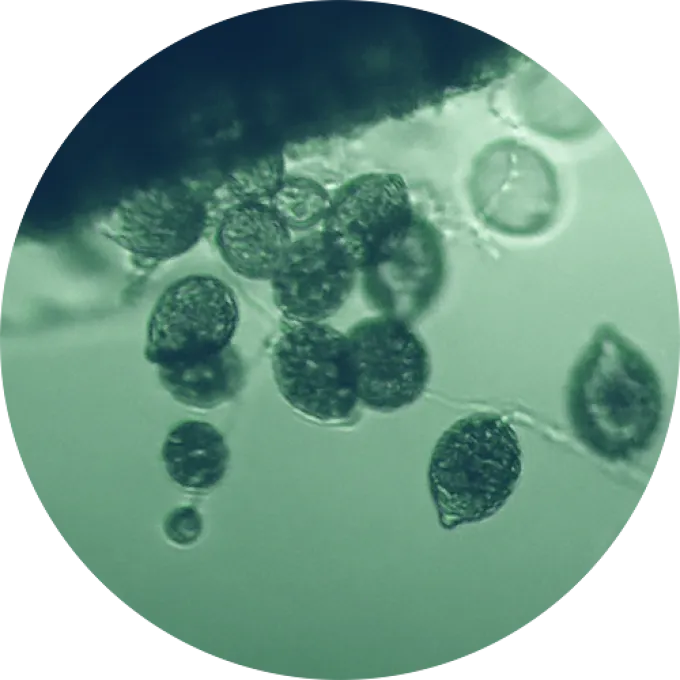
Description
Symptoms
The most common symptom is unexplained wilting of the foliage, which typically fails to recover even after the soil is irrigated.
Infected plants display extensive root rot, characterized by dark, necrotic lesions and the disintegration of the fine root hair structure.
Stem lesions may develop at the soil line, often manifesting as sunken, dark-colored areas that can eventually girdle the main stem.
As the disease progresses, the plant exhibits stunted growth, leaf chlorosis, and premature death of the entire specimen.
Under high humidity conditions, sparse white mycelial growth may sometimes be visible on the surface of the infected crown or soil.
Pathogen
Phytophthora tentaculata is a soil-borne oomycete pathogen that causes significant damage to a wide range of horticultural crops.
Unlike some other Phytophthora species, it is highly resilient, capable of persisting in the soil and contaminated growing media for extended periods.
The life cycle involves the production of motile zoospores, which allow the pathogen to spread rapidly through water films and saturated soil.
It is classified as a serious quarantine pest in many jurisdictions due to its wide host range and ability to spread through nursery stock.
The pathogen thrives by colonizing the root systems, effectively disrupting the plant's ability to uptake water and essential nutrients.
Conditions for development
The primary environmental driver for Phytophthora tentaculata is high moisture, specifically waterlogged soil or excess irrigation.
Nurseries are particularly vulnerable because the high density of plants and uniform growing conditions facilitate rapid disease transmission.
The pathogen is most commonly introduced into clean sites via infected nursery stock or contaminated soil carried on tools and footwear.
Poor drainage systems in production fields exacerbate the issue, allowing zoospores to migrate easily from plant to plant during rainfall.
The ability of the pathogen to survive in diverse environmental conditions makes it a persistent challenge in both greenhouse and outdoor production.
Why it matters
Phytophthora tentaculata causes catastrophic losses in ornamental nurseries, particularly affecting woody shrubs and perennial herbs.
The pathogen leads to high mortality rates in seedlings and mature plants, resulting in substantial economic impacts for growers.
Once a production area is infested, it can take years to eradicate the pathogen, often requiring the removal of all crops and soil sterilization.
Strict quarantine measures are often imposed on affected nurseries, restricting the trade and movement of plant materials to prevent outbreaks.
The difficulty of early diagnosis means that by the time symptoms appear, the infection is often already well-established throughout the site.
Protection
Effective management begins with rigorous inspection and the implementation of a quarantine protocol for all incoming plant material.
Growers must prioritize excellent sanitation, including the regular disinfection of pots, trays, benches, and all professional tools.
Water management is critical; ensuring adequate drainage and using drip irrigation can significantly reduce the risk of oomycete activity.
- Remove and destroy all symptomatic plants immediately.
- Use certified, pathogen-free growing media for all propagation.
- Implement regular scouting to detect initial infection hotspots.
While some fungicides are available for suppression, sanitation remains the most reliable and effective defense against this pathogen.
Discussion
No discussions yet — be the first.