
Phyllosticta leaf spot
Phyllosticta virginiana
Description
Symptoms
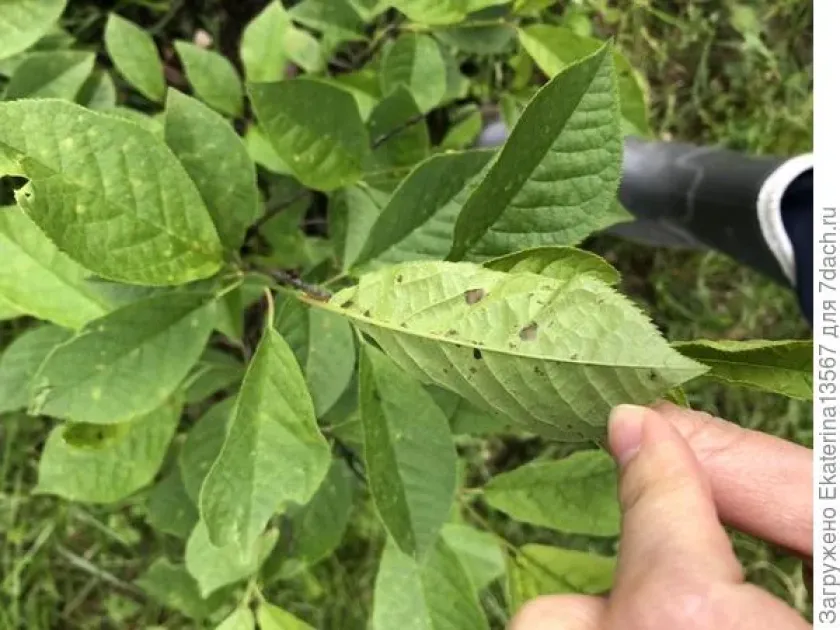
The disease manifests primarily as circular or irregular spots on the leaves of the chokecherry. These spots initially appear brown or reddish-brown, often surrounded by a darker border that distinguishes the lesion from healthy tissue.
As the infection progresses, tiny black specks appear within the center of these necrotic spots. These are the pycnidia, which are the fungal fruiting bodies responsible for the production and release of new spores.
Severe infestations often cause the spots to coalesce, covering a large portion of the leaf surface. This leads to yellowing and premature drying of the leaves, resulting in early leaf drop during the summer months.
The infected tissues can become brittle, and sometimes the centers of the spots detach, creating small holes known as "shot-hole" symptoms. This significantly reduces the aesthetic value of the tree.
While primarily affecting leaves, the pathogen can also impact leaf petioles in cases of high disease pressure, further stressing the tree and hindering its overall physiological health.
Pathogen
The causal agent is the fungus Phyllosticta virginiana, an ascomycete that specializes in infecting specific host plants within the genus Prunus, including the chokecherry.
The fungus overwinters in the fallen leaves and debris on the ground. During the spring, as temperatures rise and rainfall occurs, the pycnidia release conidia, which initiate primary infections on emerging leaves.
Conidia are dispersed through wind, splashing raindrops, and insects. Once they land on a suitable host surface, they germinate and penetrate the tissue, beginning the parasitic phase of the life cycle.
The pathogen can undergo several infection cycles within a single growing season. This polycyclic nature allows the disease to spread rapidly through the foliage if conditions remain favorable.
The biological ability of the fungus to survive in plant debris makes it a persistent issue in landscapes where sanitation practices are not strictly followed.
Conditions for development
High humidity and consistent rainfall are the primary drivers for Phyllosticta outbreaks. The fungus thrives in moist environments, which are essential for spore germination and colonization of new leaves.
Optimal temperatures for the development of the disease typically range between 20°C and 25°C. Warm and wet springs followed by humid summers create the perfect environment for infection spikes.
Crowded plantings that lack adequate airflow are particularly susceptible. Poor circulation prevents the foliage from drying quickly after rain, which increases the likelihood of spore attachment and infection.
Failure to remove leaf litter from the previous season provides the fungus with a reliable reservoir for overwintering, drastically increasing the inoculum pressure in the following spring.
Trees that are already under stress due to drought, nutritional deficiencies, or pest attacks are more susceptible to fungal pathogens like Phyllosticta virginiana.
Why it matters
The primary damage from leaf spot is the reduction of the functional leaf area, which limits the tree's ability to photosynthesize effectively. This loss of photosynthetic capacity weakens the plant's vigor.
Early leaf drop prevents the tree from storing necessary carbohydrates before dormancy. This reduction in reserves can lead to decreased winter hardiness and increased susceptibility to frost damage.
Repeated annual infection cycles result in chronic stress, causing stunted twig growth and a thin, sparse canopy. Over time, this makes the chokecherry less vibrant and attractive.
The aesthetic decline caused by the spotted and prematurely shed leaves makes the plant less suitable for ornamental use in gardens and municipal landscaping projects.
In the long run, the cumulative effect of chronic defoliation can contribute to the general decline of the tree, making it vulnerable to secondary invaders, including wood-boring insects and decay fungi.
Protection
The most important control measure is strict sanitation. Raking and burning or disposing of all fallen leaves in the autumn is critical to removing the overwintering source of the fungus.
Chemical control involving fungicides can be effective. Applications should begin in the early spring, as buds start to break, to protect the developing foliage from initial infections.
During the growing season, systemic or protective copper-based fungicides may be applied if weather conditions are conducive to disease spread. Always alternate chemical groups to avoid resistance.
- Thinning the canopy to improve air circulation and sunlight penetration.
- Providing adequate fertilization to maintain tree vigor and resistance.
- Regular pruning of dead or diseased branches to reduce fungal load.
- Managing insect populations that may cause leaf damage and entry points.
When applying fungicides, ensure complete coverage of the foliage, paying special attention to the undersides of the leaves, where spores often settle and initiate infection.
Discussion
No discussions yet — be the first.