
Phomopsis orchidophila
Phomopsis orchidophila
Description
Symptoms
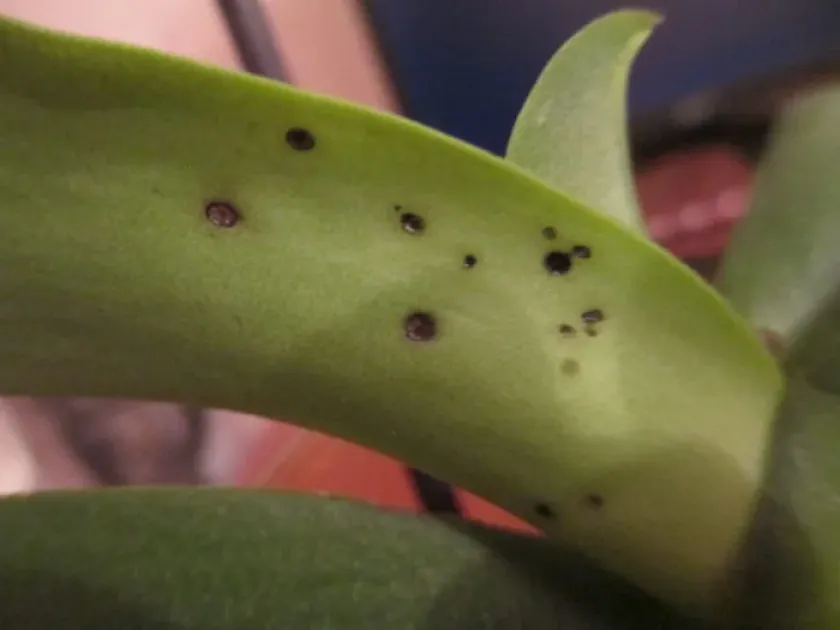
Initial symptoms are characterized by small, translucent, water-soaked spots on the leaves, which eventually turn dark brown or black.
As the infection progresses, these lesions expand significantly and often merge, leading to widespread necrosis and the eventual death of the affected leaves.
Small, dark, pin-point structures (pycnidia) often become visible on the surface of the lesions, marking the areas where the fungus is producing spores.
When the infection spreads to pseudobulbs, the tissue becomes soft and watery, often emitting a distinct, unpleasant odor typical of fungal decay.
Systemic weakness is observed as the disease spreads, with the orchid losing its turgidity and vigor, eventually leading to plant collapse if untreated.
Pathogen
The causal agent of this disease is the fungus Phomopsis orchidophila, an ascomycete species that specifically targets epiphytic orchids.
This pathogen infiltrates host tissues via natural openings such as stomata or through physical wounds, subsequently colonizing the internal cellular structures.
The fungus propagates by producing conidia within pycnidia—small, flask-shaped fruiting bodies that develop beneath the orchid's epidermis.
These fungal structures can persist in plant debris or the surrounding substrate for extended periods, serving as a primary source of inoculum for new infections.
The pathogen utilizes complex enzymatic systems to degrade host cell walls, allowing it to rapidly colonize and consume the internal nutrients of the orchid.
Conditions for development
High relative humidity, typically exceeding 75–80%, is the primary environmental driver that facilitates the rapid spread of Phomopsis orchidophila.
Poor ventilation and the presence of standing water on leaf surfaces create the perfect microclimate for fungal spore germination and infection.
Optimal growth temperatures for this fungus range from 20°C to 25°C, making greenhouses and humid home environments particularly susceptible to outbreaks.
Orchids that are stressed due to improper fertilization or low-light conditions show increased susceptibility to this opportunistic pathogen.
The use of contaminated potting media or non-sterilized pruning tools serves as a major pathway for introducing the disease into a collection.
Why it matters
The damage caused by Phomopsis is severe, as the fungus quickly destroys plant tissues, disrupting the orchid's ability to store energy in pseudobulbs.
Financial losses can be significant for orchid growers, as entire collections can be threatened by the highly contagious nature of fungal spores.
In addition to primary damage, secondary bacterial infections often exploit the necrotic lesions, accelerating the destruction of the orchid.
The rapid decline of the plant renders it aesthetically unappealing and physiologically unable to recover, often necessitating the disposal of the orchid.
In greenhouse operations, an untreated outbreak can lead to mass mortality of orchid species, causing extensive economic impact on production.
Protection
Management focuses on prevention through strict environmental control, including regular airflow and avoiding high-humidity pockets around the plants.
Systemic fungicides are recommended when early symptoms are detected to prevent the fungus from spreading to the vascular tissues of the orchid.
- Isolate all symptomatic plants immediately to prevent cross-contamination.
- Prune away infected areas using sterile blades, followed by antiseptic treatment.
- Regularly sanitize the growing environment and greenhouse surfaces.
- Apply broad-spectrum fungicides as a preventative measure during high-risk periods.
- Ensure adequate ventilation to keep the foliage dry between waterings.
In severe cases of infection, total disposal of the affected plant is necessary to preserve the health of the remaining orchid collection.
Providing optimal growing conditions and strengthening plant immunity through balanced nutrition helps orchids better withstand initial fungal pressure.
Discussion
No discussions yet — be the first.