
Pholiotina vestita
Pholiotina vestita
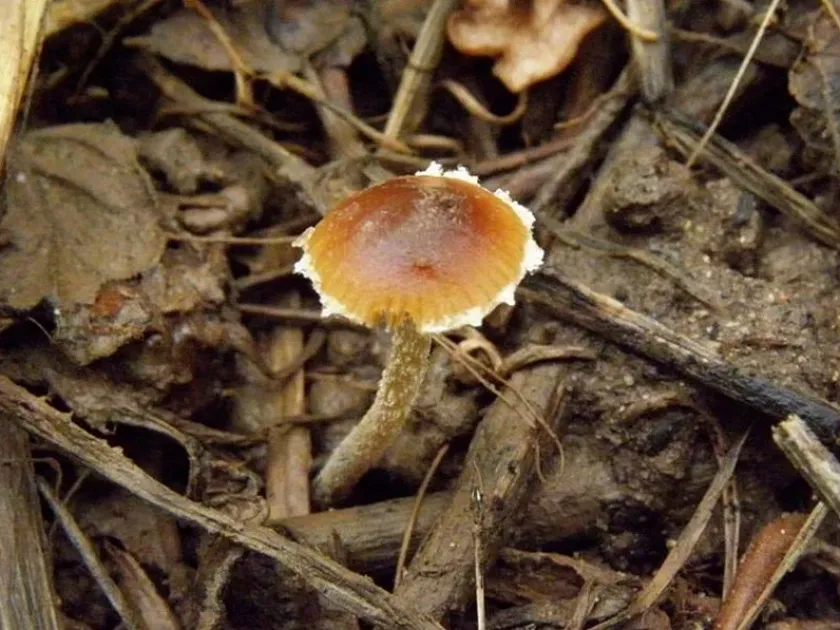
Description
Symptoms
The most visible symptom is the sudden appearance of small mushrooms scattered across the grass or garden soil surface.
Turf areas may exhibit irregular growth patterns, including localized yellowing or browning as the fungal mycelium affects soil water absorption.
In some cases, the fungus creates fairy rings, where the grass appears greener at the edges while the center shows signs of thinning or decay.
A dense, whitish web-like mycelium may be found beneath the soil surface or within the accumulated layer of organic thatch.
The presence of these signs is usually seasonal, correlating with fluctuations in soil moisture and temperature throughout the growing year.
Pathogen
Pholiotina vestita is a saprotrophic mushroom species belonging to the Bolbitiaceae family, commonly found in soil and lawns.
It acts as a decomposer, breaking down organic matter such as thatch, dead roots, and decaying plant materials within the soil structure.
Unlike parasitic plant diseases, this organism thrives on debris rather than living plant tissues, yet its presence often indicates underlying soil issues.
The fungus produces small, fragile fruiting bodies with caps that typically emerge after rain or during periods of high atmospheric humidity.
The fungal mycelium spreads through the substrate, forming an extensive network that can persist for years if conditions remain suitable.
Conditions for development
High soil moisture is the primary driver for the development and surface fruiting of Pholiotina vestita in landscape environments.
Excessive organic thatch build-up provides the necessary nutritional substrate for the fungus to establish and expand its colonies.
Poor soil drainage and low aeration contribute significantly to the proliferation of this fungus, as it thrives in stagnant, damp conditions.
Cool to moderate temperatures, often associated with damp spring or autumn weather, provide an ideal climate for rapid mycelial growth.
Over-application of uncomposted organic fertilizers can stimulate the activity of various saprotrophic fungi, including this specific species.
Why it matters
The primary concern is the creation of hydrophobic soil patches, which prevent proper hydration of the root zone and stress the plants.
The fungus competes with desirable vegetation for nutrients, which can lead to weakened turfgrass that is more susceptible to other pests.
Visual impact on lawns and landscaped areas is significant, as fruiting bodies are often perceived as a nuisance by homeowners and property managers.
The compaction caused by the mycelial mass can impede root development, leading to long-term issues with turf density and overall resilience.
Continuous presence of the fungus can alter the soil microbiome, potentially disrupting the natural balance required for healthy plant growth.
Protection
Regular lawn scarification is the most effective cultural practice to remove thatch and improve air circulation in the root zone.
Adjusting irrigation schedules to ensure that the soil surface has time to dry out can significantly reduce the risk of mushroom formation.
Core aeration helps to manage soil compaction and enhances water infiltration, creating an unfavorable environment for fungal expansion.
Manual removal of fruiting bodies should be performed promptly to prevent spore dispersal, although it does not eliminate the underlying mycelium.
Maintaining a balanced fertility program using well-composted organic matter and appropriate minerals supports strong turf capable of resisting fungal impact.
Discussion
No discussions yet — be the first.