
Phillipsiella
Phillipsiella
Description
Symptoms
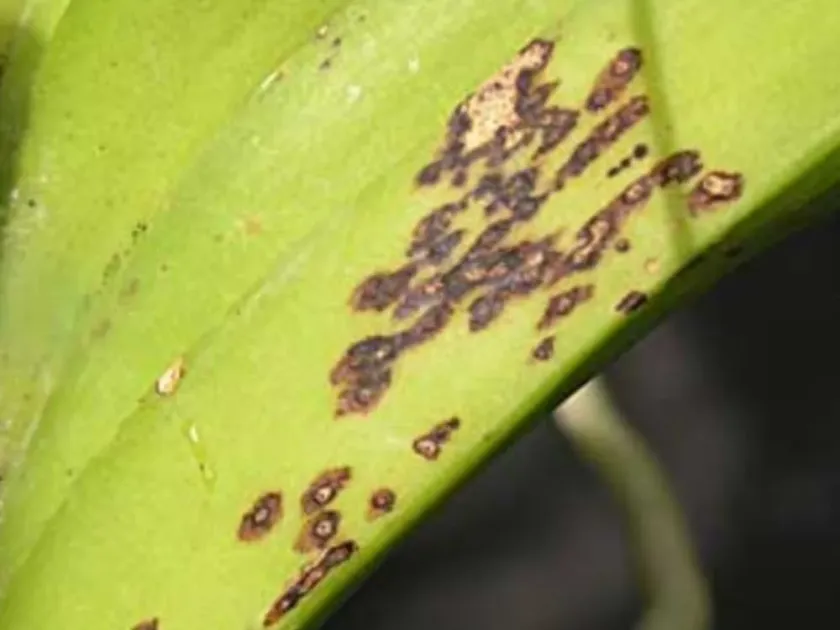
The most visible symptom of Phillipsiella infection is the appearance of tiny black spots or dark stromatic crusts scattered across the plant surface.
Infected areas of the bark may appear slightly discolored, often with a dull or necrotic appearance, signaling the underlying fungal activity.
In cases of heavy infestation, the surface layers of the affected tissue may begin to flake or dry out, which can facilitate secondary bacterial colonization.
Symptoms are often found on the lower, shaded branches where the microclimate remains humid for longer periods, promoting fungal proliferation.
Unlike aggressive systemic pathogens, Phillipsiella rarely induces deep tissue rot, remaining largely restricted to the outer surface of the host plant.
Pathogen
Phillipsiella is a genus of fungi belonging to the class Dothideomycetes. It typically acts as a surface-dwelling plant pathogen or epiphyte on various woody species.
The pathogen is characterized by the formation of small, dark, often disc-shaped or crust-like fruiting bodies (ascomata) on the surface of plant tissues.
These fungi are specialized to colonize the epidermis and bark of twigs, leaves, and stems, thriving in conditions that allow for surface moisture accumulation.
The life cycle involves the production of spores that are primarily disseminated by wind and splashing raindrops during periods of inclement weather.
The fungus is capable of persisting on plant debris and within the crevices of bark, surviving unfavorable environmental conditions until weather becomes conducive to growth.
Conditions for development
High humidity and consistent rainfall are the primary drivers for the growth and reproduction of Phillipsiella on host plants.
Densely planted environments with limited air circulation provide a sheltered microclimate that prevents the quick drying of surfaces after rain.
The presence of necrotic tissues or wounds caused by cold weather, sunburn, or mechanical damage provides an ideal substrate for the fungus to establish itself.
Seasonal transitions characterized by mild temperatures and frequent mist or fog favor the rapid development of spores on the stems and leaves.
Poor orchard or garden maintenance, specifically the lack of thinning and pruning, creates the moist stagnation required for the pathogen to thrive.
Why it matters
The primary harm caused by Phillipsiella is the disruption of the plant's surface integrity, which can affect physiological processes like gas exchange.
While often considered a minor pathogen, it can severely weaken the overall vigor of a plant, making it more susceptible to secondary pests and pathogens.
The aesthetic degradation caused by the fungal crusts is a significant concern for nursery stock and ornamental landscaping where visual quality is vital.
Chronic infestation can lead to the gradual decline of smaller twigs and branches, especially in plants that are already stressed by environmental factors.
The energy expended by the plant to repair surface tissues can divert resources from growth and fruit production, leading to decreased yields over time.
Protection
Strategic pruning is the most effective cultural control method, as it opens the canopy to sunlight and improves airflow, drying out the surfaces.
Sanitation practices, including the removal and destruction of fallen leaves and pruned branches, are essential to reduce the local inoculum density.
Preventative fungicide applications, particularly copper-based sprays in early spring, help to protect susceptible bark surfaces from fungal colonization.
Maintaining optimal plant health through balanced fertilization and correct watering helps bolster the host plant's natural defenses against surface pathogens.
Protecting the bark from environmental stressors, such as using white paint on trunks to prevent sunburn, limits the entry points available to the fungus.
Discussion
No discussions yet — be the first.