
Phaeotheca
Phaeotheca
Description
Symptoms
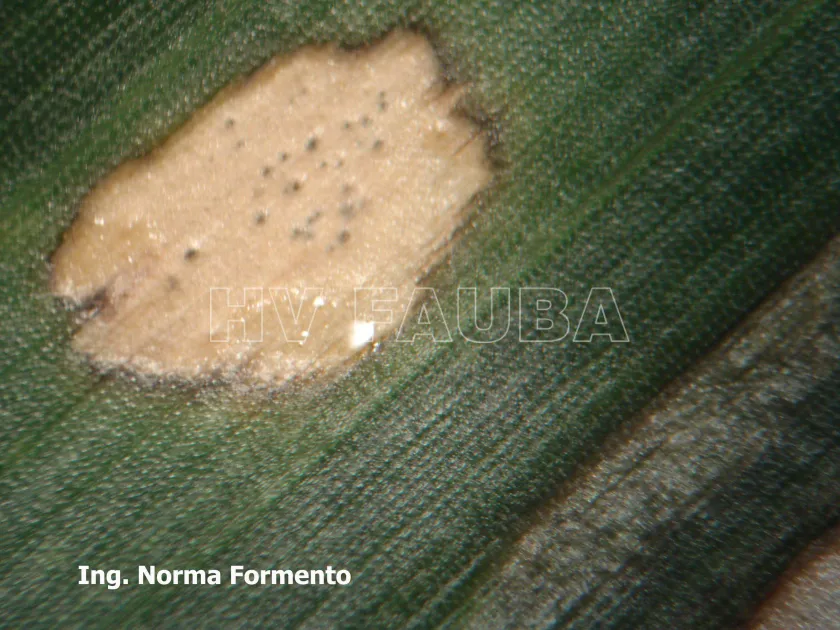
The primary visual sign of Phaeotheca infection is the appearance of characteristic dark, often black-colored leaf spots with irregular margins.
Early symptoms usually present as chlorotic or light-colored flecks that gradually darken as the fungal colonization of the leaf tissue progresses.
Microscopic examination typically reveals dense, dark-pigmented spore masses on the surface of the lesions, often concentrated along major leaf veins.
As the infection advances, the surrounding leaf tissue may turn yellow and become necrotic, leading to premature leaf senescence and abscission.
The persistent nature of the black spots on affected tissues is a distinct diagnostic feature that helps differentiate this disease from other common leaf spots.
Pathogen
The disease is caused by the fungus Phaeotheca fissurella, a member of the dematiaceous hyphomycetes. This pathogen is known for its ability to colonize living plant tissues effectively.
The fungal mycelium is characterized by dark pigmentation resulting from melanin, which provides significant protection against environmental stressors like UV radiation and desiccation.
The pathogen persists in soil and crop debris, making it a persistent challenge for farmers practicing monoculture or lacking proper sanitation.
Dissemination primarily occurs through conidia that are easily transported by wind, water splashes, and mechanical operations during the growing season.
Its biological cycle is finely tuned to exploit the physiological vulnerabilities of host plants during periods of rapid vegetative growth.
Conditions for development
Phaeotheca thrives in environments characterized by high relative humidity and moderate temperatures, which are optimal for spore germination and mycelial growth.
Prolonged leaf wetness, often caused by frequent rainfall or heavy dew, acts as the primary driver for successful infection and rapid pathogen proliferation.
Poor field aeration, often due to high planting density or excessive canopy growth, creates a microclimate conducive to rapid disease spread.
Plants subjected to physiological stress or nutrient imbalances are significantly more susceptible to pathogen entry and colonization.
Agricultural practices that promote high moisture retention in the canopy during the late vegetative stages increase the risk of an epidemic.
Why it matters
The disease significantly impacts crop yield by reducing the total photosynthetic area, which limits the plant's energy production capacity.
Infection leads to reduced biomass accumulation and can severely affect seed development, leading to lower yield quality and quantity.
Weakened plants become secondary targets for opportunistic pests and pathogens, complicating the overall management of the field.
Severe infestations can lead to substantial economic losses due to the loss of marketable quality and the high costs associated with chemical interventions.
Long-term impact on plant vigor may result in reduced resilience to subsequent environmental stressors such as drought or cold spells.
Protection
Integrated management is essential, starting with a robust crop rotation program that breaks the pathogen's life cycle by minimizing host availability.
Proper field sanitation, including the incorporation of crop residues into the soil, helps reduce the initial inoculum levels for the following season.
Monitoring the field during peak humidity periods allows for timely application of fungicides before the disease reaches economic thresholds.
- Utilizing disease-resistant or tolerant crop cultivars where available.
- Optimizing planting density to ensure adequate air circulation.
- Balanced nutrient management to strengthen plant defense mechanisms.
- Application of protective fungicides during weather conditions favorable to the fungus.
Implementing a combination of systemic and contact fungicides is recommended when initial signs of infection are detected to prevent widespread development.
Discussion
No discussions yet — be the first.