
Phaeosphaerella mangiferae
Phaeosphaerella mangiferae
Description
Symptoms
The primary symptom of the infection is the appearance of characteristic necrotic spots on leaf surfaces. These spots typically exhibit circular or angular shapes, often surrounded by a light or dark halo, which is common for this fungal genus.
As the disease progresses, these spots may coalesce, covering a significant portion of the leaf surface. On the necrotic areas, the fungus often develops its fruiting bodies, appearing as small dark dots known as pycnidia or perithecia.
The infection can also affect young mango shoots and flower stalks. At the site of the pathogen's entry, the tissue loses turgor and turns brown or greyish, eventually leading to the death of the infected plant organs.
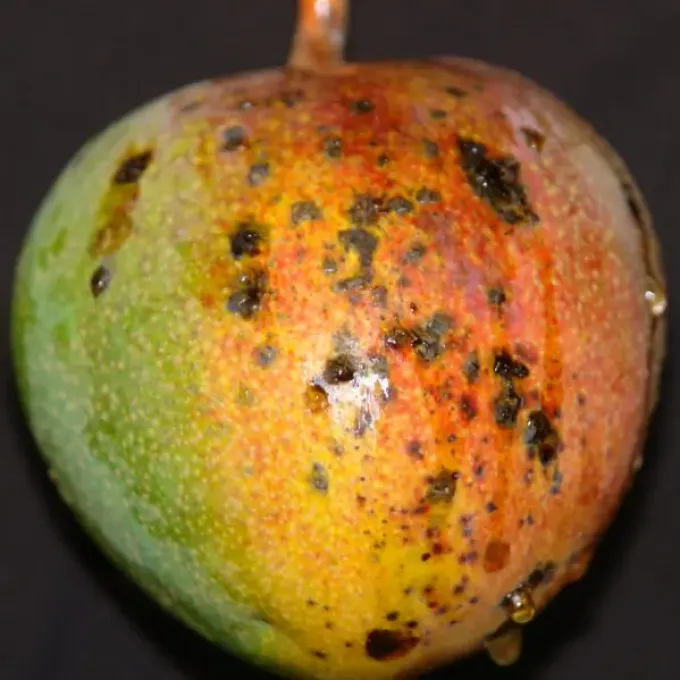
On the fruit, Phaeosphaerella presents as depressed spots that render the produce unsuitable for commercial use. Under high-humidity conditions, surface mycelium may develop over these lesions.
Premature leaf and fruit drop is a critical indicator of severe infestation. The plant becomes significantly weakened, resulting in lower overall productivity and reduced resistance to other pathogens.
Pathogen
The causal agent of the disease is the ascomycete fungus Phaeosphaerella mangiferae. This organism belongs to a group of pathogens capable of parasitizing the tissues of tropical evergreen trees.
The fungus is primarily parasitic but can persist in plant debris as a saprotroph. This ability ensures that the inoculum remains viable in the soil or on fallen foliage for extended periods.
The pathogen reproduces via conidia and ascospores. These spores are actively dispersed through the air, by rain splash, or through overhead irrigation methods used in tropical agriculture.
The fungal mycelium penetrates plant tissues through stomata or mechanical wounds in the epidermis. Inside the plant, the pathogen derives nutrients from cell sap and degrades cell walls using specific enzymes.
The life cycle of the fungus is closely aligned with the host's phenology. The pathogen is most active during periods of intensive growth of new shoots and the development of young, susceptible leaves.
Conditions for development
High relative humidity is the key factor promoting the development of the disease. Prolonged periods of rainfall or fog create an ideal microclimate for spore germination on leaf surfaces.
Temperature ranges between 22–28°C are optimal for the fungus's metabolism and reproductive processes. Under these conditions, the incubation period is significantly reduced.
Dense mango plantings impede proper airflow within the canopy, creating local humidity pockets that facilitate the rapid spread of the infection from tree to tree.
Trees weakened by nutrient deficiencies, improper irrigation, or pest attacks show significantly higher susceptibility to Phaeosphaerella mangiferae infestation.
The accumulation of unremoved plant debris under the trees serves as a major reservoir of infection. Recurrent outbreaks are likely when weather conditions favor the pathogen in the following season.
Why it matters
The damage caused by this pathogen stems primarily from the reduction of the canopy's photosynthetic capacity. The loss of leaf surface area leads to a sharp decline in the accumulation of carbohydrates and other organic compounds.
The infection attacks reproductive organs, causing the blight of inflorescences and the loss of fruit set. This directly affects both the quantity and the commercial quality of the mango harvest.
Infected fruits lose their market appeal and become vulnerable to secondary rot pathogens during storage and transit, which severely limits the export potential of the crop.
Chronic infestation with Phaeosphaerella exhausts the tree. Without adequate management, the plant may die over several years due to a compromised immune system and persistent stress.
The economic impact involves the costs associated with fungicide applications, the labor for infected material removal, and the total loss of part of the marketable crop.
Protection
The primary method of control is strict adherence to cultural practices. It is crucial to perform regular sanitary pruning to improve canopy ventilation and remove diseased shoots.
The removal and destruction of plant debris in the orchard significantly reduces the infection pressure. Burning or deep burial of fallen leaves is recommended to eliminate the pathogen's inoculum source.
Copper-based compounds and systemic fungicides are effective when applied at the early stages of symptom development. Treatments should be timed during periods of active growth and high humidity.
- Use of certified, disease-free planting material;
- Selection of resistant mango varieties;
- Canopy monitoring during the rainy season;
- Balanced fertilization to enhance plant resistance.
In commercial orchards, integrated pest management (IPM) systems are being implemented, combining biological control agents and chemical protectants to minimize pesticide load on the environment.
Discussion
No discussions yet — be the first.