
Phaeoseptoria leaf spot
Phaeoseptoria
Description
Symptoms
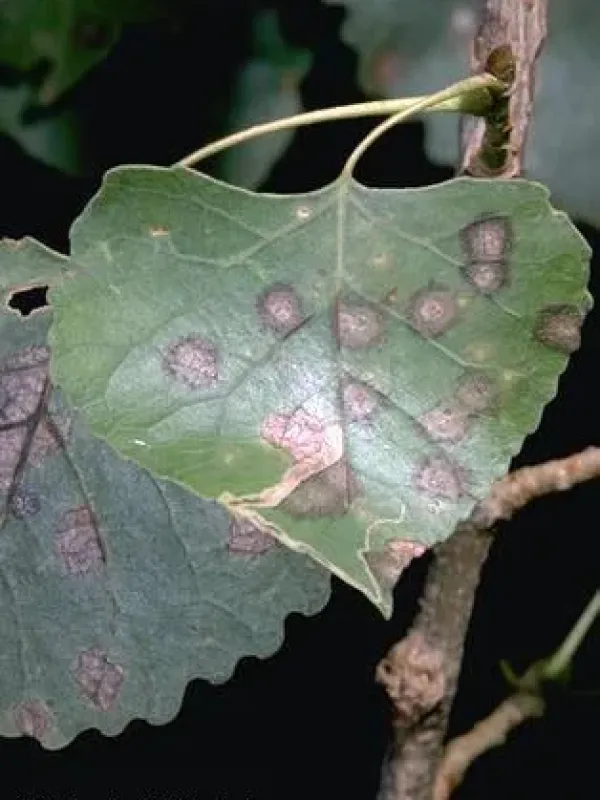
The first symptoms of the disease appear as elongated, often blurred spots on the leaves. These lesions range in color from light brown to greyish-brown as they mature.
A diagnostic feature of Phaeoseptoria is the appearance of tiny, dark black dots called pycnidia scattered across the lesions. These are often arranged in lines parallel to the leaf veins.
As the disease progresses, the spots merge, covering larger areas of the leaf surface, which leads to chlorosis and subsequent necrosis of the tissue.
Under conditions of high humidity, a sparse olive-colored conidial layer may become visible on the affected spots. Infection usually starts on the lower leaves and moves progressively upward.
Severe infestations can cause premature senescence of the entire plant, affecting stems and leaf sheaths, which ultimately hinders the development of the grain.
Pathogen
The causative agent of the disease is the fungus Phaeoseptoria, which belongs to the Ascomycota phylum. These pathogens primarily infect various cereal crops, including wheat and barley, causing significant damage.
The life cycle involves the formation of pycnidia, where long, filamentous conidia are produced. These spores act as the primary inoculum for spreading the infection to healthy tissues in the spring.
The pathogen survives the winter in infected plant residues, stubble, and soil as mycelium or as fruiting bodies. During the growing season, spores are spread through rain splashes and wind currents.
The fungus enters the plant through stomata or mechanical wounds on the epidermis. Once inside, the mycelium spreads within the intercellular spaces, disrupting the plant's nutritional and photosynthetic processes.
The biology of the pathogen is highly adapted to temperate climates, allowing it to remain viable in the field for extended periods and become active as soon as conditions become favorable.
Conditions for development
High humidity and moisture are the primary drivers of Phaeoseptoria development. Prolonged rainfall and morning dew are ideal for spore germination and infection.
The pathogen thrives in moderate temperature ranges, typically between 15°C and 22°C. Hot and dry weather patterns significantly slow down the spread of the infection.
Densely planted crops create a microclimate with reduced air circulation, keeping the leaf surface moist for longer periods and facilitating the rapid development of the fungus.
Improper agronomic practices, such as excessive nitrogen fertilization, result in dense foliage that is more susceptible to infection and has a weakened natural resistance.
Spring seasons characterized by frequent precipitation are the most critical, as they trigger the initial release of spores and the start of the primary infection cycle in newly growing crops.
Why it matters
The damage caused by Phaeoseptoria is primarily due to the reduction of the leaf area available for photosynthesis. This decline leads to reduced energy production and poor grain filling.
Infection of the flag leaf is particularly detrimental, as this leaf contributes the most to final yield and seed quality. Significant damage at this stage leads to a decrease in the weight of a thousand grains.
In epidemic years, yield losses can reach 15–30%. Beyond quantity, the quality of the harvested grain—including seed viability and germination vigor—is significantly compromised.
The disease weakens the overall vigor of the crop, making it more vulnerable to secondary infections and environmental stress factors like drought or late-season lodging.
Economic losses are compounded by the need for additional post-harvest processing and the requirement for prophylactic fungicide treatments in subsequent years.
Protection
Crop rotation is the most effective preventative measure. Avoiding the planting of susceptible cereals on the same field for at least two to three years helps interrupt the pathogen's life cycle.
Effective management of crop residues through deep tillage or rapid incorporation helps to break down infected material and reduce the survival of the pathogen in the soil.
- Selection of resistant or tolerant crop varieties.
- Balanced application of fertilizers, emphasizing potassium to strengthen cell walls.
- Application of systemic fungicides at the appropriate growth stages based on field monitoring.
- Seed treatment with high-quality fungicides to protect the crop during early establishment.
Integrated Pest Management (IPM) should be applied, combining cultural practices with timely chemical interventions based on disease thresholds identified through regular field scouting.
Rotating fungicides with different modes of action is essential to prevent the development of resistance in the fungal population, ensuring the long-term efficacy of chemical controls.
Discussion
No discussions yet — be the first.