
Phaeoramularia leaf spot of pepper
Phaeoramularia capsicicola
Description
Symptoms
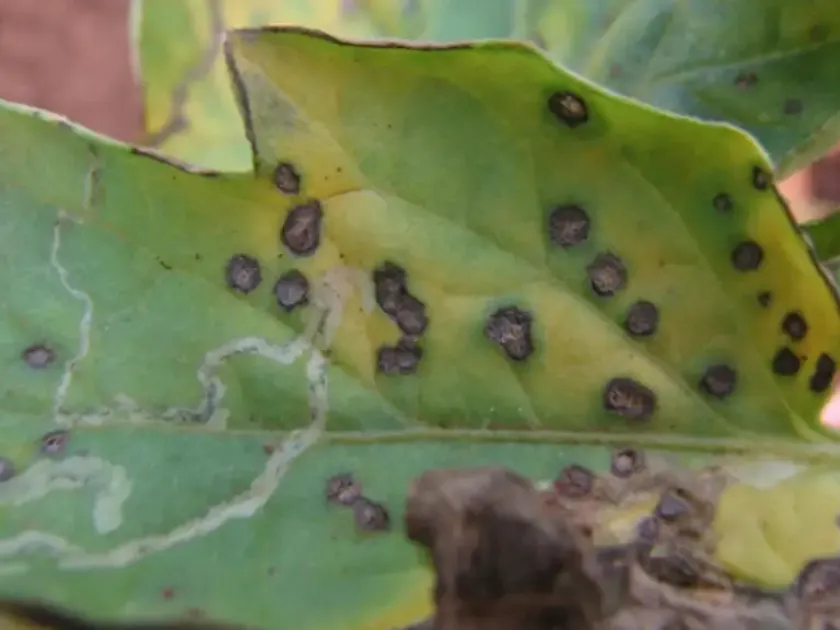
Initial symptoms include small, circular or angular spots on the leaves, often starting with a yellowish or pale green halo around them. Over time, these spots expand and turn brown or grayish.
A diagnostic characteristic is the presence of dark, velvety mold on the underside of the leaf, directly beneath the spots. This is the fungus sporulating and is a key indicator of the disease.
As the infection progresses, affected leaves turn yellow and eventually die. The disease typically moves from the lower canopy upwards, which can cause significant defoliation of the pepper plant.
Stems and petioles can also exhibit elongated dark lesions, which weaken the plant's structural integrity and its ability to transport nutrients efficiently throughout the vascular system.
Heavily infected plants show stunted growth, premature leaf drop, and a general decline in vigor, significantly differentiating them from healthy, robust plants in the same crop cycle.
Pathogen
The disease is caused by the fungus Phaeoramularia capsicicola, which is a specialized plant pathogen. It belongs to the group of fungi that primarily target solanaceous crops.
The fungus develops mycelium within the leaf tissues, entering through stomata or mechanical wounds. It survives the winter season in soil debris and infected plant residues left in the field or greenhouse.
Reproduction occurs via conidia, which are easily dispersed by wind, water splashes, or human activity during routine agricultural operations. This efficient dispersal mechanism allows for rapid outbreaks.
The pathogen is an obligate parasite, meaning it thrives on live host tissue. It produces dark-colored fruiting structures (conidiophores) that are responsible for the visible spots on the host plants.
Environmental conditions play a crucial role in the lifecycle of this fungus, as high levels of humidity are required for the germination of spores and the establishment of new infection sites.
Conditions for development
High relative humidity (above 80-85%) is the primary driver for the development of Phaeoramularia leaf spot. This makes it a recurring problem in greenhouses where moisture control is difficult.
The pathogen prefers temperatures between +22 and +28 degrees Celsius, which are ideal for rapid colonization of host tissues. These conditions often coincide with peak pepper growing seasons.
Poor ventilation and high plant density create stagnant air zones with high moisture levels on the foliage. This environment promotes spore germination and rapid spread between neighboring plants.
Overhead irrigation acts as a major vector for the disease. Splashing water droplets transfer spores to healthy leaves, while free water on the leaf surface provides the medium needed for infection.
Inadequate sanitation in greenhouses, such as failing to remove infected plant matter at the end of the season, leads to an accumulation of inoculum, increasing the risk for future crops.
Why it matters
The disease causes a reduction in photosynthetic capacity, which directly translates to lower yields. The plant invests its energy into fighting the infection rather than producing high-quality fruit.
Fruit quality is compromised as infected plants produce smaller, less marketable peppers. In severe cases, the physiological stress caused by the fungus leads to flower and fruit drop.
Weakened plants become susceptible to secondary infections by bacteria or other fungi, leading to further decay of stems and foliage, which can cause total plant collapse.
For large-scale agricultural operations, this disease leads to significant economic loss due to crop yield reduction and the increased costs associated with repeated fungicide applications.
Produce with visible lesions is often rejected by retailers, rendering the harvest unmarketable and leading to direct financial loss for the grower.
Protection
Effective management begins with strict crop rotation, ensuring that pepper plants are not grown in the same area for at least several years to avoid soil-borne inoculum.
Good sanitation practices are vital. Removing and destroying all infected plant material at the end of each season helps break the cycle of the disease and reduces the pathogen population.
Optimizing greenhouse conditions is crucial. Implementing drip irrigation, improving air circulation, and maintaining proper plant spacing can significantly reduce the moisture required for fungal growth.
Chemical control involving copper-based or systemic fungicides may be necessary during periods of high disease pressure. Always follow label instructions regarding application rates and pre-harvest intervals.
- Use certified disease-free seeds or seedlings.
- Prune and discard lower infected leaves early.
- Monitor crops regularly for the first signs of symptoms.
- Disinfect all greenhouse tools and equipment frequently.
- Balance fertilization to avoid excessive, succulent growth.
Discussion
No discussions yet — be the first.