
Phaeophyscia orbicularis
Phaeophyscia orbicularis
Description
Symptoms
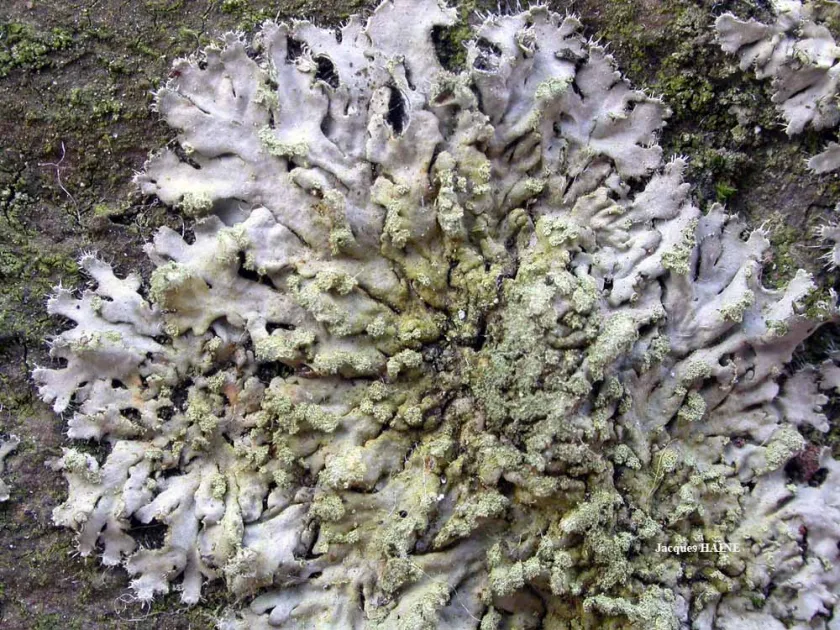
Phaeophyscia orbicularis appears as a foliose thallus that adheres tightly to the surface of tree bark, typically presenting a greyish-brown or dark coloration.
The infestation manifests as small, rounded patches or rosettes that expand over time, potentially merging into larger colonies covering significant areas of the trunk.
The edges of the thallus feature lobes that provide a characteristic star-like appearance when viewed at a close distance.
Upon closer inspection, granular structures known as soredia may be observed on the surface, which are used by the lichen for vegetative reproduction.
Unlike parasitic infections, this lichen does not penetrate the host tissues, yet its visual presence is often mistaken for a severe bark disease.
Pathogen
Phaeophyscia orbicularis is not a plant pathogen but an epiphytic lichen, representing a symbiotic association between a fungus and algae.
The lichen utilizes the tree bark merely as a substrate for attachment and does not extract nutrients or moisture from the host plant's internal system.
From an agronomic perspective, it is classified as an epiphyte rather than a disease, though its abundance often signals that the tree’s bark is stable and potentially neglected.
The fungal component provides structural integrity and protection, while the algal component carries out photosynthesis to produce energy.
This organism obtains its essential water and minerals from atmospheric moisture, dust, and rain, existing independently of the tree's health status.
Conditions for development
The primary factor for the development of this lichen is consistently high air humidity, which is essential for the metabolic activities of the thallus.
Densely grown tree canopies with poor air circulation create the perfect microclimate for lichen spores to settle and colonize the bark.
Shaded environments within an orchard promote the growth of the lichen, as direct, intense sunlight can effectively inhibit its development.
Older trees with rough or deeply fissured bark provide ideal anchor points for the lichen to settle and expand without risk of being dislodged.
Lack of proper horticultural management, specifically the absence of annual pruning, leads to the accumulation of moisture needed for the lichen to thrive.
Why it matters
The main harm associated with lichen presence is that it provides a hiding spot for various pests, such as aphids, scale insects, and mites during winter.
A thick layer of lichen can slightly impede gas exchange through the lenticels of the bark, which may affect the physiological activity of the tree.
The moisture trapped beneath the thallus may create favorable conditions for genuine fungal pathogens and bacteria to colonize the bark tissue.
The aesthetic value of the garden is diminished, and the presence of a thick layer makes it difficult to detect early symptoms of actual tree diseases.
Heavy colonization on young or sensitive trees may serve as a warning sign of poor orchard sanitation and inadequate tree vigor.
Protection
Mechanical cleaning of the bark using stiff-bristled brushes or specialized scrapers during the dormant season is the most effective way to remove lichen.
Regular sanitary pruning of the canopy is essential to improve airflow, which naturally discourages the colonization of epiphytes in the orchard.
Whitewashing trunks with a mixture of lime and copper sulfate is a proven method to prevent new spores from attaching and growing on the bark surface.
Springtime spraying with iron sulfate or copper-based fungicides helps to disinfect the bark and kill existing lichen colonies effectively.
Ensuring optimal tree health through proper fertilization and watering encourages bark renewal, making it a less suitable surface for long-term lichen attachment.
Discussion
No discussions yet — be the first.