
Phaeophleospora leaf spot of eucalyptus
Phaeophleospora concentrica
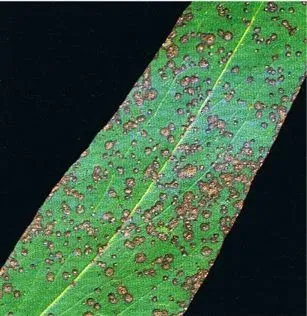
Description
Symptoms
The most prominent symptom is the development of leaf spots. These spots start as tiny chlorotic dots, which gradually enlarge into dark brown or black lesions, often characterized by distinct concentric circles.
Within the necrotic areas, small dark fruiting bodies known as conidiomata develop. These are visible to the naked eye as minute bumps on the leaf surface and are diagnostic for the presence of the fungus.
Severe infections lead to premature leaf abscission. The loss of foliage significantly reduces the photosynthetic capacity of the tree, leading to reduced growth rates and canopy dieback over time.
Lesions can also occur on twigs and leaf petioles, appearing as elongated necrotic streaks. Under high humidity, a mass of fungal spores may be visible on the surface of the lesions.
While the concentric pattern is a classic sign, clinical diagnosis is often confirmed through microscopic examination of the conidia to distinguish Phaeophleospora concentrica from other eucalyptus leaf spots.
Pathogen
The causal agent of this disease is the fungus Phaeophleospora concentrica, which belongs to the class Ascomycetes. It primarily targets the foliage of various eucalyptus species, causing significant tissue degradation.
The life cycle of this pathogen is highly dependent on environmental moisture, which is essential for conidial germination. The fungus survives unfavorable seasons within infected fallen leaves, which act as the primary inoculum source.
Dissemination of spores occurs via rain splashes and wind currents. These mechanisms allow the pathogen to spread effectively throughout the tree canopy when atmospheric humidity is consistently high.
The fungus invades host tissues through stomata or mechanical injuries on the leaf surface. Once inside, the pathogen colonizes the mesophyll cells, leading to a breakdown of the host's photosynthetic machinery and subsequent tissue necrosis.
Phaeophleospora concentrica is known for its ability to adapt to various ecological niches where eucalyptus is cultivated. Its persistence in the environment necessitates a long-term strategy for managing the disease in plantations.
Why it matters
The primary impact of this disease is the reduction of the photosynthetic surface area, which weakens the host tree. A consistent loss of leaves drains energy reserves, leaving the tree susceptible to secondary stresses.
In nursery settings, the disease is particularly devastating. It can cause mass mortality of seedlings, leading to significant economic losses and a shortage of high-quality planting material for forestry operations.
Adult trees suffering from chronic infections show reduced vigor and resilience. They become prone to branch dieback and are less capable of defending themselves against secondary pests and environmental extremes.
Outbreaks of the disease in large-scale plantations can lead to substantial biomass loss, impacting the productivity of eucalyptus forestry. Sustained infections can prevent the trees from reaching their full growth potential.
Beyond forestry, the disease affects the ornamental value of eucalyptus trees. Infected foliage looks unattractive, making it unsuitable for landscape use and increasing maintenance costs for arborists.
Protection
Sanitation is a cornerstone of disease control. Clearing and destroying fallen leaves is essential, as this practice removes the primary overwintering inoculum and reduces the risk of re-infection in the following season.
In nurseries, maintaining adequate spacing between plants is crucial to ensure good airflow. Increased ventilation promotes rapid drying of the leaf surface, which inhibits spore germination and fungal establishment.
Fungicidal applications, particularly those containing copper or systemic active ingredients, can protect foliage during peak infection periods. These treatments should be applied preventively, especially during rainy weather.
Selecting and planting resistant eucalyptus clones is the most sustainable approach to manage the disease. Breeding programs focus on identifying genetic resistance to Phaeophleospora concentrica.
Integrated management plans, which include monitoring for early symptoms, allow for rapid intervention before the disease reaches epidemic levels. Healthy, well-fertilized trees generally display higher tolerance to the pathogen.
Discussion
No discussions yet — be the first.