
Phaeomarasmius
Phaeomarasmius
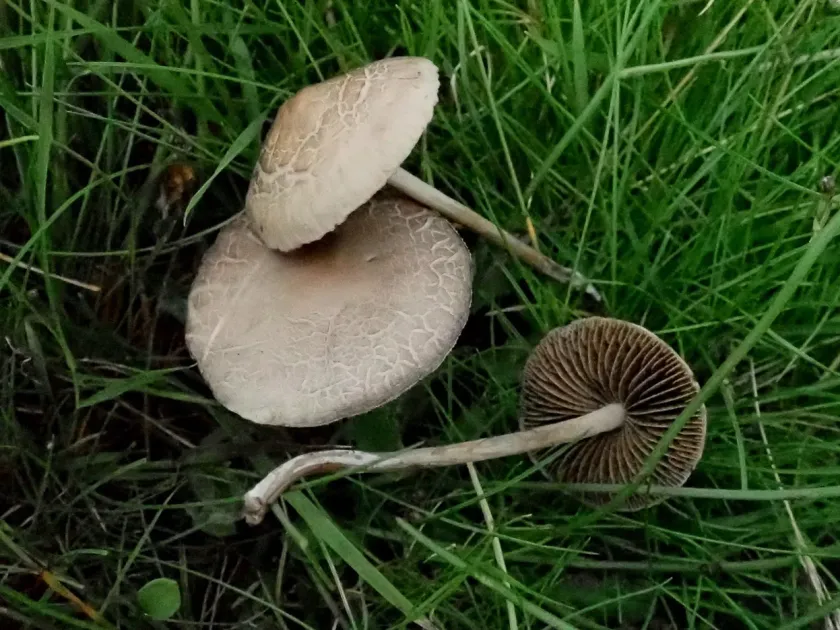
Description
Symptoms
The most recognizable sign of Phaeomarasmius is the presence of small, fuzzy or smooth fungal caps emerging directly from the bark of branches or main stems.
Affected bark typically exhibits signs of necrosis, appearing darkened, sunken, or cracked. As the infection progresses, these areas expand, causing localized tissue death that interrupts sap flow.
Foliage on infected branches often shows signs of chlorosis, curling, and premature senescence, as the fungal mycelium restricts the tree's ability to maintain healthy vascular functions.
Underneath the bark in the affected zones, gardeners can often observe a network of fine, pale-colored fungal threads which signify the active colonization of the wood surface.
In advanced cases, the infected branches become brittle and dry. This leads to progressive dieback of the crown, which can significantly alter the tree's architecture and decrease its fruit production capacity.
Pathogen
The genus Phaeomarasmius consists of fungi within the Strophariaceae family that act as facultative parasites on various woody plants. While often perceived as simple decomposers, they can colonize the living bark of stressed or weakened trees.
Phaeomarasmius erinaceus is the primary species associated with this condition in agricultural settings. It targets the cambial layers of host trees, disrupting internal nutrient transport by extending its mycelium into the wood structure.
Biologically, the fungus manifests as small, ochre or brown-colored fruiting bodies that cluster on branches. It thrives by breaking down structural components of the bark while simultaneously draining the host's metabolic resources.
The pathogen spreads primarily via spores, which are disseminated by wind and rainfall. These spores find suitable conditions for germination in fissures, cracks, or areas previously damaged by insects or pruning.
The development of the pathogen is relatively slow, often allowing the fungus to establish a firm foothold within the host tissue before the plant shows visible symptoms of decline.
Conditions for development
High humidity and consistent rainfall are critical factors for the rapid spread of Phaeomarasmius. Moist environments allow spores to germinate effectively on damp bark surfaces.
The pathogen prefers moderate temperatures, typically ranging from 15 to 22 degrees Celsius. This climate window supports vigorous mycelial growth within the host plant.
Orchards with poor air circulation, often due to lack of proper thinning or pruning, create microclimates that encourage the proliferation of the fungus across adjacent trees.
Wounds caused by mechanical stress, such as frost cracks, sunscald, or improper pruning cuts, serve as primary infection points where spores can bypass the tree’s natural bark defenses.
Neglected trees, particularly those weakened by drought or pests, are significantly more susceptible to successful colonization by Phaeomarasmius compared to healthy, well-maintained specimens.
Why it matters
The primary danger lies in the gradual depletion of the tree's health. The fungus diverts essential sugars and nutrients, leading to reduced vigor and stunted growth in both foliage and fruit.
Once a tree is compromised by Phaeomarasmius, its defensive mechanisms are weakened, making it an easy target for secondary pests like bark beetles or wood-boring insects.
Chronic infection often leads to decreased winter hardiness. The damaged tissues are less capable of coping with extreme temperature fluctuations, leading to further necrosis during dormant months.
Reduced vascular efficiency leads to poor fruit development, resulting in smaller harvests and lower overall quality of the agricultural product.
If left unmanaged, the fungus can eventually cause the death of major branches or the entire tree, necessitating costly removal and replacement of affected orchard stock.
Protection
Effective management requires an integrated approach focusing on tree hygiene and environmental control. Providing optimal nutrients and water helps the tree maintain natural resistance against potential invaders.
Sanitation pruning is essential. All branches showing fungal growth or signs of bark dieback must be cut back to healthy wood and removed from the site to prevent spore dispersal.
All pruning wounds should be sealed with specialized fungicides or protective paint to prevent new spores from entering the sensitive exposed tissue.
- Applying copper-based fungicides during the dormant season;
- Utilizing systemic fungicides when active infections are detected;
- Whitewashing trunks to protect against sunscald and bark cracking;
- Removing debris and leaf litter where spores might overwinter.
In intensive orchard systems, scheduled applications of modern fungicides during the growing season can help halt mycelial expansion and protect the tree from long-term decline.
Discussion
No discussions yet — be the first.