
Phaeoisariopsis leaf spot
Phaeoisariopsis
Description
Symptoms
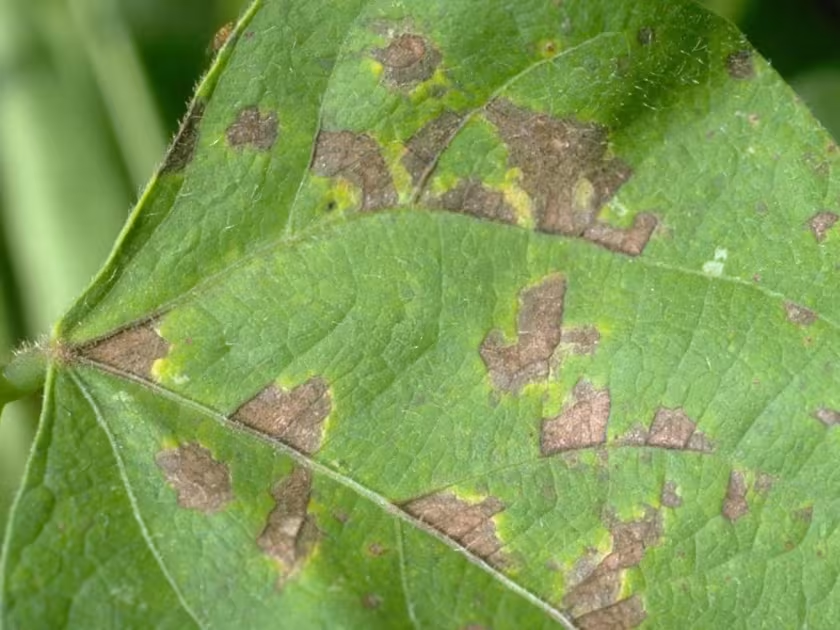
The initial symptoms appear as small, angular spots on the leaves, which gradually darken to a brown or necrotic color as the disease progresses.
A distinct grayish or olive-colored velvet-like layer often develops on the underside of the infected spots, indicating active sporulation of the fungus.
As the infection spreads, individual spots may coalesce into large, irregular necrotic patches, eventually causing parts of the leaf to dry out and collapse.
Early leaf senescence and premature abscission are characteristic results, which leave the plant canopy sparse and significantly weakened.
In severe cases, the stems and young petioles may also show necrotic lesions, hindering the transport of nutrients to the fruits and growing tips.
Pathogen
The disease is caused by fungi belonging to the genus Phaeoisariopsis, which are parasitic pathogens that primarily target foliage and green tissues.
These fungi produce specific conidiophores grouped in bundles, which erupt through the plant epidermis to release spores into the atmosphere.
The pathogen overwintering stage usually occurs in plant debris and fallen leaves, where the mycelium remains dormant until favorable weather arrives.
Dissemination is facilitated by wind gusts and rain splashes, allowing the fungus to spread rapidly from infected plants to healthy neighboring crops.
This genus includes several species specialized in attacking specific horticultural crops, with grapes being among the most commonly affected hosts.
Conditions for development
High relative humidity and frequent rainfall are the primary environmental drivers that trigger the rapid development and spread of the disease.
Optimal fungal growth and spore germination typically occur within a temperature range of 20°C to 25°C, making warm, humid summers highly conducive.
Dense canopy structures with poor airflow are particularly susceptible, as they trap moisture and create an ideal microclimate for the pathogen.
Lack of proper pruning and canopy management prevents sunlight penetration, further maintaining damp conditions on the leaf surfaces.
Sites with poor drainage or stagnant air pockets provide the necessary stability for the spores to settle and initiate infection on the foliage.
Why it matters
The primary damage results from a reduction in the total photosynthetic surface area, which limits the plant's ability to produce energy and sugar.
Premature leaf drop negatively affects the maturation process of shoots and fruits, leading to lower sugar accumulation and diminished fruit quality.
In perennial plants like vines, the loss of foliage impairs nutrient storage in the wood, making the plant highly vulnerable to winter frost damage.
Reduced vigor and cumulative stress lead to lower yields, not only in the current growing season but also in subsequent years of production.
Significant economic loss occurs when the marketability of the crop is compromised due to poor size, taste, or visual appearance caused by the infection.
Protection
Sanitation is the cornerstone of control; all fallen leaves and infected plant material must be removed and destroyed to reduce the primary inoculum.
Proper canopy management, including timely pruning and shoot thinning, improves ventilation and helps maintain a dry environment around the foliage.
Preventive application of fungicides, particularly those containing copper, is effective in creating a protective barrier against spore germination.
Balanced fertilization, especially the management of nitrogen levels, helps strengthen plant tissue and increases natural resistance against fungal invasion.
Integrated pest management strategies should be employed, focusing on regular monitoring for early signs of leaf spots to ensure timely intervention.
Discussion
No discussions yet — be the first.