
Phaeocytostroma stalk rot
Phaeocytostroma
Description
Symptoms
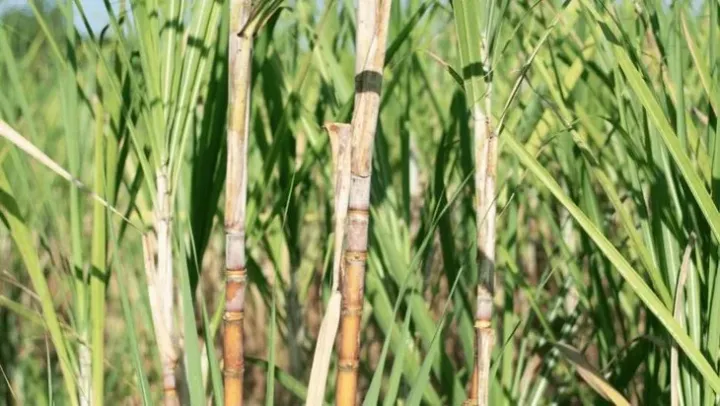
The primary symptom is the emergence of numerous black pycnidia on the surface of lower stem internodes, often arranged in linear rows along the fibers.
Infected stalks show signs of discoloration, turning yellow or brown initially, and eventually fading to a dull grey as the plant tissues begin to die.
Cross-sections of affected stems reveal a clear degradation of the internal pith, which becomes soft, dark, and hollow, resulting in a loss of structural integrity.
Plants often exhibit signs of premature wilting and senescence, making the disease look like natural maturity until the stalk breaks unexpectedly.
- Black pycnidia on stem surfaces
- Pith degradation and rotting
- Loss of stem mechanical strength
- Premature plant senescence
- Decreased grain fill and weight
Pathogen
The causal agent of this disease is the fungus Phaeocytostroma ambiguum, which belongs to the category of anamorphic fungi. It is a well-known pathogen affecting maize stems.
The fungus produces pycnidia, which are specialized fungal structures that develop within the host tissues and serve as the main source of conidia dispersal.
As a pathogen, it is characterized by high survival rates in crop residues, remaining viable in stalks and soil debris over winter months until the next season.
The fungal mycelium enters the plant through wounds, lesions from pests, or natural openings, gradually spreading throughout the vascular system and parenchyma.
Secondary infections occur via the movement of conidia, which are disseminated by raindrops, wind gusts, and insects interacting with the crop canopy.
Conditions for development
Development of the disease is highly favored by warm temperatures combined with high humidity, which create the perfect environment for sporulation.
Rainy weather patterns occurring during the late growth stages significantly increase the risk of massive infection within the corn field.
Planting density plays a crucial role, as overcrowded fields limit airflow and maintain high humidity, encouraging the growth of the pathogen.
Physical injuries to the stem caused by mechanical cultivation or pests like the corn borer provide easy entry points for fungal invasion.
Agronomic stress factors, including imbalanced fertilization, weaken the plant's resistance, allowing the fungus to colonize the stems more aggressively.
Why it matters
The most significant danger posed by this pathogen is stalk lodging, which leads to severe harvest losses and logistical challenges in field operations.
By compromising the vascular system, the fungus prevents the proper translocation of nutrients to the ears, leading to smaller, lighter kernels and lower yields.
Infected crops are also more prone to secondary grain molds, which negatively affect the final grain quality, marketability, and storage stability.
The cumulative effect of tissue rot and lodging reduces the efficiency of combine harvesters, further increasing the total cost of production.
In years with high disease pressure, the reduction in yield can be substantial, making it a critical concern for maize farmers globally.
Protection
The most effective management strategy involves the use of resistant maize hybrids that show lower susceptibility to stalk rot pathogens.
Deep plowing and proper residue management are essential to destroy the overwintering sites of the fungus and reduce the initial inoculum load.
Practicing crop rotation is vital to prevent the pathogen from accumulating in the soil, forcing a break in the biological cycle of the disease.
Implementing a robust pest control program helps minimize mechanical damage to stems, thereby protecting the plant from initial fungal colonization.
Balanced nutrient management, particularly appropriate nitrogen levels, ensures strong stems and improves the plant's natural defense mechanisms.
Discussion
No discussions yet — be the first.