
Phaeocollybia
Phaeocollybia
Description
Symptoms
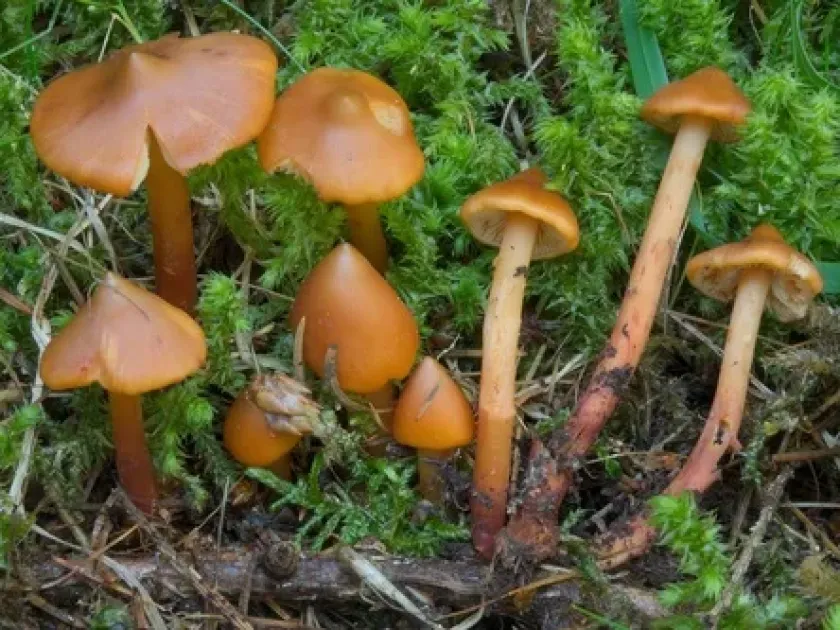
The most visible sign of Phaeocollybia presence is the development of characteristic mushroom fruiting bodies around the base of trees.
Symptoms of root damage include a decline in crown density, with needles or leaves showing chlorosis or premature yellowing as the tree struggles to uptake nutrients.
Affected trees may exhibit stunted annual growth and reduced vigor, often going unnoticed until the damage to the root system is severe.
During a soil inspection, the feeder roots may appear darkened, brittle, or necrotic, confirming the fungal colonization of the root tissues.
In mature stands, clustering of mushrooms at the base of the trunk serves as a key indicator of extensive root rot or severe physiological stress.
Pathogen
The genus Phaeocollybia comprises a group of fungi in the Hymenogastraceae family, recognized for their distinct, deep-rooted fruiting bodies.
These fungi act as root-associated organisms, often inhabiting the rhizosphere where they interact with the tree's root system in various ecological capacities.
While some species are considered mycorrhizal, others may exhibit saprotrophic or weakly parasitic behavior, particularly under stress conditions.
The fungus spreads via spores produced in the conically shaped caps and through vegetative expansion of mycelium within the soil and root network.
Scientific studies focus on the biology of Phaeocollybia due to its role in the forest ecosystem and its potential to compromise the root health of conifers.
Conditions for development
Phaeocollybia species thrive in environments with high moisture levels and rich organic matter, which are essential for mycelial development.
Optimal conditions for growth are found in cool, temperate climate zones where forest litter remains consistently damp for extended periods.
Soil compaction and poor drainage in forest stands significantly increase the susceptibility of trees to colonization by this fungus.
The presence of root grafts between adjacent trees facilitates the rapid movement of the fungus throughout the stand.
Physical injuries to the root system, often caused by heavy equipment or burrowing animals, create entry points for the pathogen to establish itself.
Why it matters
The primary damage caused by Phaeocollybia involves the disruption of nutrient and water uptake, which leads to the overall weakening of the tree.
While rarely acting as a primary killer of healthy trees, it predisposes host plants to attack by opportunistic pests and secondary fungal pathogens.
In nursery settings, seedlings are highly vulnerable, and fungal infestation can lead to significant losses, impacting future reforestation efforts.
Prolonged infection reduces the wood quality of forest stands, decreasing their economic value and carbon sequestration potential.
Creating persistent infection sites in the soil can hamper long-term forest management, as the fungus may survive for years in the presence of host roots.
Protection
Effective control focuses on maintaining optimal silvicultural practices that promote the resilience of the forest stand.
Preventing waterlogging through proper soil drainage is critical to reducing the moisture levels that favor the growth of Phaeocollybia.
Minimizing mechanical damage to tree roots during harvesting or site preparation is essential to preventing the entry of the fungus.
Sanitation practices, such as removing infected trees, help lower the inoculum load within the affected area.
Biological control methods, utilizing beneficial soil microorganisms, are being researched to provide natural suppression of pathogenic fungal populations.
Discussion
No discussions yet — be the first.