
Phaeochoropsis palmicola
Phaeochoropsis palmicola
Description
Symptoms
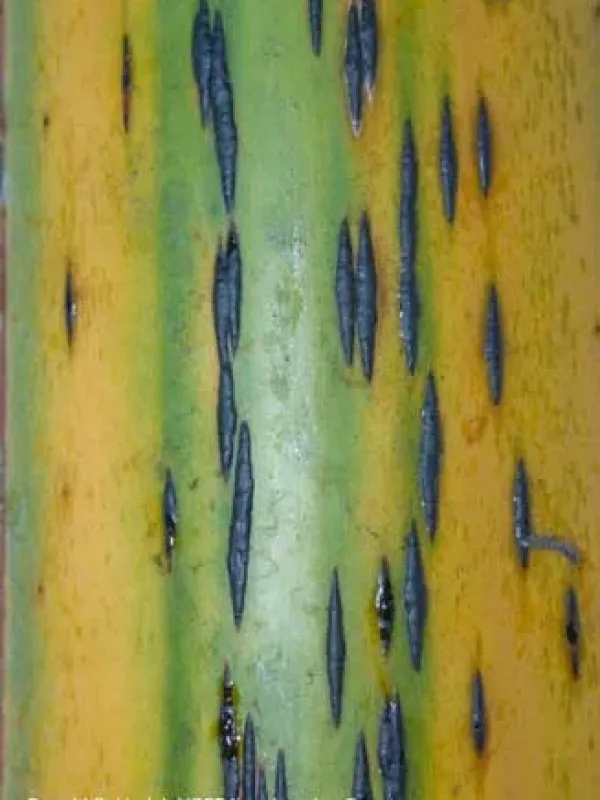
The primary symptom of this fungal infection is the development of distinct necrotic spots on the fronds of the affected palm trees.
Initial signs include small yellow or light brown spots that gradually enlarge, often developing a darker, more defined border as they mature.
As the disease progresses, these lesions may merge, covering significant portions of the leaf blade and leading to premature drying and browning.
Diagnostic features include the emergence of tiny black fungal structures, known as ascostromata, appearing on the necrotic tissue surfaces.
Severe infestations can lead to curling, deformation, and stunted growth of young leaves, drastically reducing the ornamental value of the plant.
Pathogen
The causative agent of the disease is the ascomycete fungus Phaeochoropsis palmicola, which is highly specialized to infect various palm species.
This fungus acts as an obligate parasite, deriving its nutrients primarily from the living tissues of the host plant throughout its life cycle.
The reproductive cycle involves the production of spores within specialized structures, which rupture the epidermis of the leaf to release the inoculum.
The fungal mycelium invades the internal tissues of the leaf, causing cellular degradation and leading to the typical necrosis observed by growers.
The pathogen is highly efficient at spreading, utilizing environmental vectors such as wind, splashing rain, or overhead irrigation to reach new hosts.
Conditions for development
High relative humidity is the most critical environmental factor that promotes the germination and establishment of Phaeochoropsis palmicola.
Moderate temperatures, typical of subtropical and tropical climates, provide the perfect thermal range for the rapid colonization of fungal mycelia.
Poor air circulation within crowded palm plantations creates a stagnant microclimate that traps moisture, significantly increasing the risk of infection.
Prolonged periods of leaf wetness are essential for the spores to penetrate the plant tissues, making rainy seasons high-risk periods for development.
Stressed plants, whether due to poor nutrition or physical damage, show significantly higher susceptibility to colonization by this opportunistic fungus.
Why it matters
The primary economic and aesthetic impact is the rapid decline of the visual appeal of palm trees, which are often valued for their foliage.
Large-scale necrosis on the fronds inhibits the photosynthetic capacity of the plant, directly impacting its overall vigor and long-term health.
Persistent infections gradually weaken the palm's structural integrity, making it more prone to secondary infestations by pests or other pathogens.
In extreme cases, particularly in young or vulnerable specimens, the loss of the growing point can lead to the total death of the tree.
Management costs, including labor for pruning, chemical applications, and potential tree replacement, contribute to the significant impact of this disease.
Protection
Effective management begins with sound horticultural practices, such as ensuring proper spacing to improve airflow around the canopy of each tree.
Avoid overhead irrigation techniques that leave water sitting on the fronds, as this directly contributes to the spread of fungal spores.
Sanitation is paramount; all infected leaves should be promptly removed and disposed of to reduce the concentration of inoculum in the environment.
Chemical control involves the timely application of fungicides, particularly those effective against ascomycetes, during favorable conditions for the fungus.
- Regular monitoring for the earliest signs of spotting on lower fronds.
- Application of copper-based fungicides as a preventative barrier.
- Use of systemic triazole fungicides for curative treatment in early stages.
Discussion
No discussions yet — be the first.