
Phaeochoropsis
Phaeochoropsis
Description
Symptoms
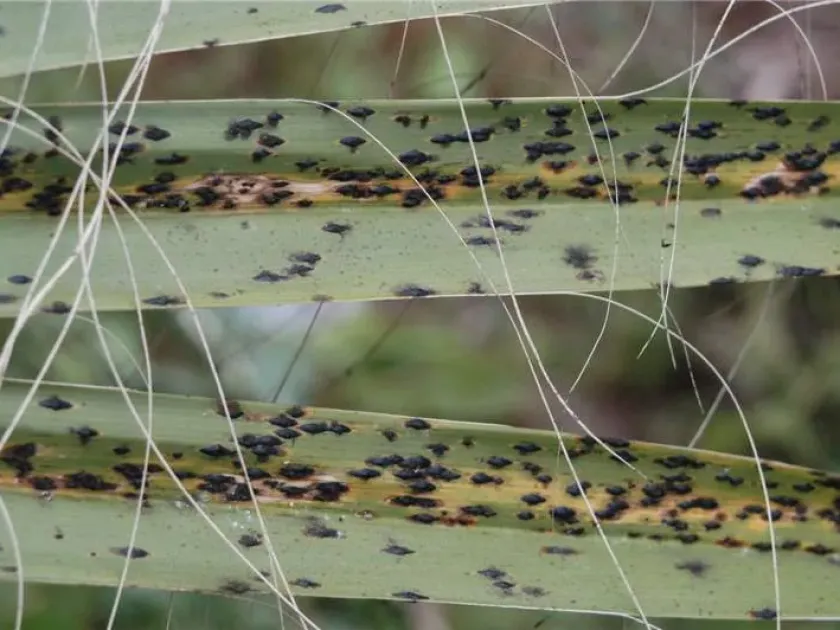
The primary symptom of infection is the development of distinct necrotic spots, which often feature a darker margin, reflecting the localized destruction of host tissue.
Small, black structures known as stromata appear on the surface of infected leaves and petioles. These structures are the visible fruiting bodies of the fungus, appearing as tiny, raised bumps.
As the disease progresses, heavily infected leaves turn yellow and drop prematurely, leading to significant defoliation of the affected plant.
In high-humidity environments, a thin layer of spores might be visible on the necrotic spots, indicating active reproduction and ongoing spread of the pathogen.
The symptoms typically start on lower leaves, providing a clear pattern that can be used for field identification and early detection of the disease outbreak.
Pathogen
Phaeochoropsis is a genus of ascomycetous fungi belonging to the order Phyllachorales. This pathogen acts as an obligate parasite, targeting specific tissues within higher plants.
The fungus is characterized by the formation of dense stromata that develop within the leaf tissue. As the mycelium grows, it colonizes the intercellular spaces, drawing essential nutrients directly from the host cells.
The life cycle of the pathogen involves the production of ascospores, which act as the primary inoculum for new infections during the spring season. These spores are dispersed by rain splash and wind currents.
This fungus exhibits a high degree of host specificity, meaning it is most dangerous to specific plant species that provide the necessary conditions for its development.
Unlike saprophytic fungi, Phaeochoropsis relies on active, living tissue to sustain its life cycle, which makes it a persistent threat to susceptible host populations.
Conditions for development
Phaeochoropsis development is heavily dependent on moisture. High relative humidity is critical for the germination of spores on the surface of leaves.
Optimal temperatures for infection and colonization typically range between 18 and 24 degrees Celsius. Periods of prolonged rainfall or mist significantly increase the risk of an outbreak.
Dense planting schemes that reduce air circulation create a microclimate that remains damp for longer periods, which is ideal for the rapid growth of the fungus.
Poor sanitation, such as failing to remove infected fallen leaves, allows the pathogen to survive the winter and re-infect the same host in the following season.
Environmental stress, such as poor soil health or drought, can weaken the plant's natural defenses, making it more vulnerable to successful fungal invasion.
Why it matters
The main impact of Phaeochoropsis is the reduction of photosynthetic efficiency. By destroying large portions of the leaf area, the fungus limits the plant's energy production.
Severe infection leads to early leaf drop, which drains the plant's carbohydrate reserves and leaves it susceptible to winter injury and opportunistic secondary pathogens.
Young plants are particularly at risk, as persistent infection can stunt growth and delay development, potentially compromising the overall structure of the plant.
In nursery settings, this disease significantly lowers the aesthetic and commercial value of plants, leading to economic losses and the necessity of discarding infected stock.
Continued exposure to the pathogen over multiple growing seasons can result in chronic decline, ultimately leading to the death of vulnerable, long-lived specimens.
Protection
The foundation of effective control lies in cultural management. Removing infected leaves and pruning branches that show signs of infection is critical to reducing the inoculum level.
Improving air circulation through proper spacing and thinning can reduce the humidity levels around the foliage, making the environment less favorable for the fungus.
- Apply copper-based fungicides as a preventative measure early in the growing season.
- Use systemic fungicides when symptoms first appear to limit the spread of the pathogen.
- Ensure plants are well-fertilized to bolster their natural immunity against fungal attacks.
- Monitor plants regularly for early signs of lesions, especially during wet weather.
- Dispose of all plant debris properly to prevent the fungus from over-wintering.
Chemical intervention should be used strategically and in compliance with local regulations, rotating products to prevent the fungus from developing resistance.
A successful defense program combines consistent cultural practices with timely preventative applications, ensuring the long-term health of the host plants.
Discussion
No discussions yet — be the first.