
Phaeochoraceae
Phaeochoraceae
Description
Symptoms
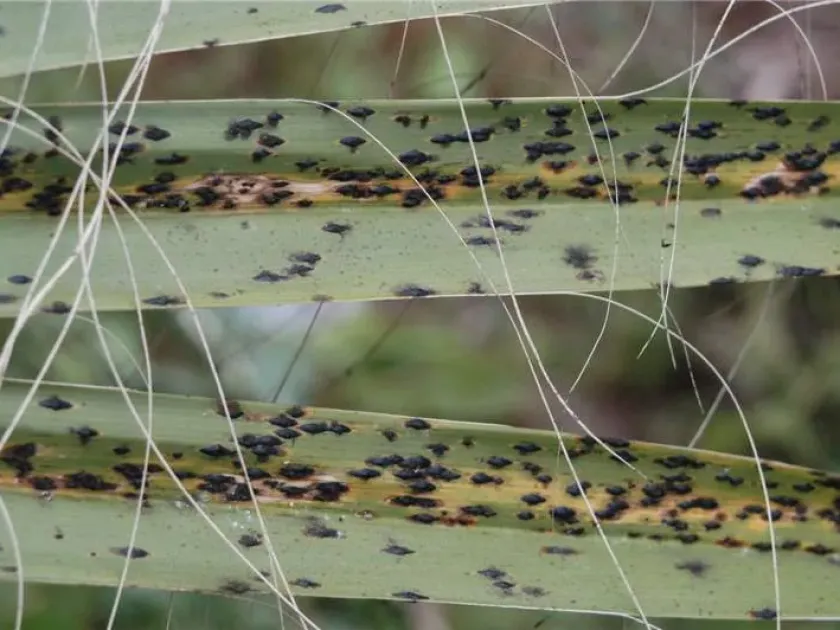
The primary symptom is the appearance of distinct lesions on the leaves, which typically start as small spots and evolve into brown or grey necrotic areas.
Small, dark, pinhead-sized structures (ascostromata) appear on the surface of the lesions. These are often arranged in patterns that follow the leaf venation.
As the disease progresses, chlorotic halos may develop around the necrotic spots, indicating the localized spread of fungal toxins into the surrounding healthy tissue.
Severe infestations lead to premature leaf senescence and defoliation, which severely reduces the photosynthetic capacity of the affected plant.
In advanced stages, the surface of the necrotic tissue may crack, providing entry points for secondary bacterial and fungal pathogens.
Pathogen
The Phaeochoraceae family represents a group of ascomycete fungi that function as obligate or facultative parasites on various plant species. These fungi are known for causing necrotic spotting and structural damage to host tissues.
The pathogen develops within the host's tissue by forming ascostromata—specialized fruiting bodies that are embedded deep within the leaf or stem layers to withstand environmental stress.
Dissemination occurs via ascospores, which are forcibly ejected under high humidity conditions, and through conidial sporulation during the active growth phase of the host.
The fungi demonstrate high host specificity, enabling them to colonize plant tissues effectively by disrupting the vascular and photosynthetic functions of the host plant.
Survival strategy involves overwintering on plant debris, where the fungus persists in dormant states, ready to initiate a new infection cycle when conditions improve in the spring.
Conditions for development
High humidity and prolonged leaf wetness are essential for the germination of fungal spores and the subsequent infection of host plants.
Temperatures ranging between 18°C and 25°C provide the optimal metabolic environment for rapid mycelial colonization and continuous spore production.
Poor air circulation within dense canopies or overcrowded planting patterns creates a microclimate that facilitates the rapid spread of the pathogen.
Plants under physiological stress, due to nutrient deficiencies or drought, exhibit higher susceptibility to colonization by Phaeochoraceae fungi.
Wind and splashing rain droplets are the primary drivers of spore dispersal, moving the infection from primary foci to healthy susceptible tissues.
Why it matters
The main impact of Phaeochoraceae infection is the reduction in net photosynthetic area, leading to stunted growth, reduced yields, and diminished vigor.
For ornamental plant nurseries, the presence of fungal spots ruins the aesthetic value, rendering the products commercially unviable.
Repeated annual infections weaken the host, making it significantly more vulnerable to cold damage, environmental drought, and opportunistic pests.
In forestry, heavy infection rates can lead to reduced seed production and can negatively affect the overall health and longevity of the forest stand.
Economic losses are cumulative, involving both the costs of management efforts and the loss of plant material quality or total crop failure.
Protection
Strict sanitation practices, including the removal and destruction of fallen leaves and infected debris, are critical to reducing the primary inoculum source.
Cultural management should focus on spacing plants to improve air circulation and sunlight penetration, which helps keep the foliage dry.
The use of preventative fungicides, particularly those containing copper or systemic triazoles, can be effective in stopping the spread during the growing season.
Regular monitoring and physical removal of infected plant parts help to contain localized outbreaks before they develop into wider epidemics.
Maintaining optimal plant nutrition, particularly with balanced fertilizers, enhances the plant's natural defense mechanisms against fungal penetration.
Discussion
No discussions yet — be the first.