
Phaeochora
Phaeochora
Description
Symptoms
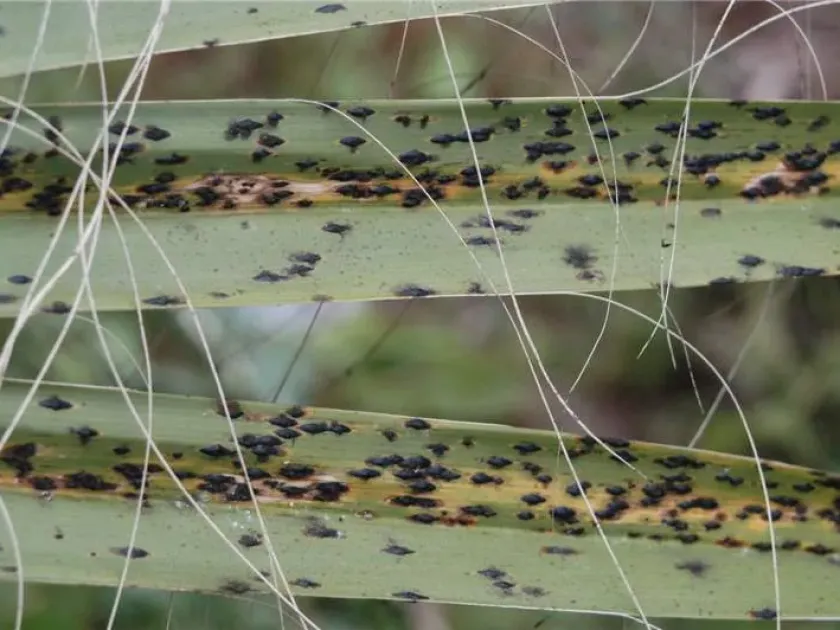
The primary symptom of Phaeochora infection is the appearance of dark, stromatic spots on leaf surfaces, marking the location of the fungal development.
Tissue necrosis follows the initial colonization, where the leaf turns yellow or brown and becomes brittle as the fungus consumes cellular contents.
Premature leaf drop is a common consequence of heavy infection, significantly reducing the plant's ability to maintain its normal physiological functions.
In some cases, the fungus causes lesions on stems or petioles, which can deform growth and disrupt the vascular system of the plant.
Microscopic examination of the dark spots typically reveals the presence of fungal fruiting bodies, which is a definitive diagnostic feature of this condition.
Pathogen
The disease is caused by fungi of the Phaeochora genus, which are members of the Ascomycota phylum. These pathogens are typically host-specific, adapting to live within the plant tissue.
The life cycle involves the production of ascostromata, which are specialized fungal structures embedded within the host tissue, protecting the pathogen from environmental stress.
The fungus acts as an endophyte for a portion of its life cycle, colonizing leaf or stem tissues and deriving nutrients directly from the host plant's cells.
Spore production occurs during periods of moisture, allowing the ascospores to be released and distributed via wind or water splashes to nearby hosts.
The pathogen's ability to overwinter in fallen debris ensures that the infection persists in the same area across multiple growing seasons if not managed.
Conditions for development
High humidity and mild temperatures are the primary environmental factors that promote the development and spread of the Phaeochora fungus.
Poor air circulation, often found in dense plantings or unpruned hedges, creates the sustained moisture levels necessary for fungal colonization.
The presence of old, decaying plant material provides a reservoir for the pathogen to survive during periods when the host is dormant.
Plants under environmental stress, such as drought or nutritional deficiency, are significantly more susceptible to successful infection by the spores.
Frequent rainfall episodes help mobilize the spores, spreading them from lower canopy levels to upper foliage, exacerbating the disease's impact.
Why it matters
The most significant impact of Phaeochora is the reduction of the plant's photosynthetic capacity, which directly affects growth rates and vigor.
Severe infections lead to substantial leaf loss, which leaves the plant weakened and less capable of surviving harsh winters or producing healthy blossoms.
In ornamental and nursery settings, the aesthetic damage caused by the dark spots and leaf necrosis decreases the commercial value of the plants.
Repeated yearly infections can lead to the slow decline and eventual mortality of the affected plant species if left untreated over several seasons.
Agricultural losses are compounded by the costs of applying fungicides and the labor required to manage the physical removal of infected materials.
Protection
Sanitation is the most effective management strategy; this includes the prompt removal and disposal of all fallen foliage and debris in late autumn.
Improving cultural practices, such as proper pruning and spacing, is essential to increase airflow and reduce moisture accumulation in the plant canopy.
Fungicidal treatments can be applied as a preventive measure during the spring when environmental conditions are conducive to spore release.
- Regular removal of symptomatic plant parts.
- Application of copper-based or systemic fungicides.
- Monitoring plant health to detect early stages of the disease.
Selecting disease-resistant species or cultivars is a recommended long-term solution for areas prone to Phaeochora outbreaks.
Discussion
No discussions yet — be the first.