
Phaeoacremonium sicilianum
Phaeoacremonium sicilianum
Description
Symptoms
Initial symptoms are often subtle, manifesting as stunted shoot growth, shortened internodes, and the development of chlorotic or necrotic spots on foliage.
Cross-sections of affected trunks or cordons reveal internal wood decay, characterized by dark, discolored streaks that indicate deep-seated vascular infection.
A severe manifestation of the disease is the sudden collapse or "apoplexy" of the vine, where a seemingly healthy plant wilts and dies rapidly, particularly during high-temperature periods.
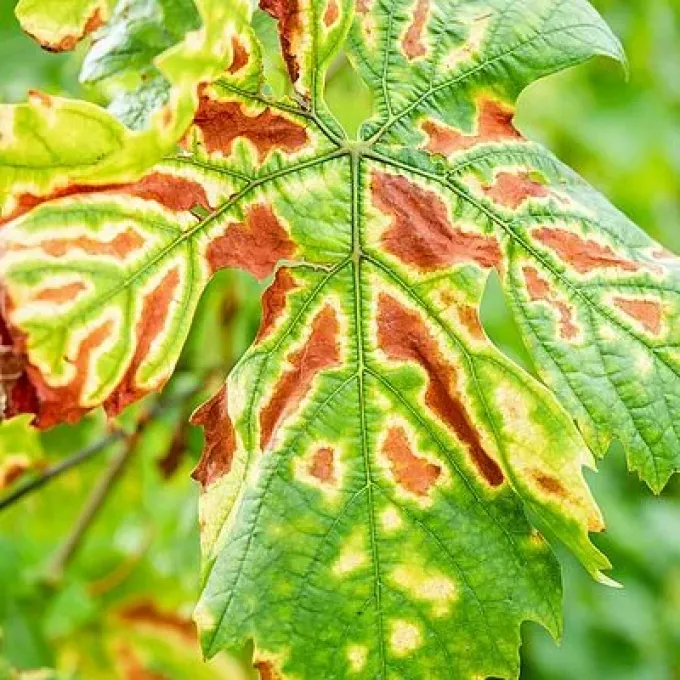
Leaves on infected vines may exhibit tiger-striping or marble-like patterns, often with downward curling of the edges, which is frequently mistaken for nutritional deficiencies.
Fruit development is significantly compromised, resulting in uneven ripening, berry shriveling, and premature cluster shedding, leading to a substantial yield loss.
Pathogen
Phaeoacremonium sicilianum is an ascomycetous fungus recognized as a significant agent involved in the complex of grapevine trunk diseases.
This pathogen colonizes the vascular tissues of the grapevine, specifically the xylem, which results in the disruption of water and nutrient transport systems.
The fungus is capable of surviving for extended periods within woody tissues, acting as a persistent reservoir of inoculum within infected perennial parts of the vine.
Dissemination primarily occurs through the release of conidia, which are efficiently spread by rain splashes, wind currents, and mechanical tools used during viticultural practices.
Compared to other species in the same genus, P. sicilianum possesses distinct genetic traits that facilitate its colonization and survival within the woody framework of the plant.
Conditions for development
The development of the disease is highly dependent on the presence of entry wounds, such as pruning cuts or mechanical damage, which allow the fungus to penetrate the wood.
High humidity and rainfall during the pruning season are critical environmental factors that promote the germination of fungal spores on freshly exposed wood surfaces.
The optimal temperature range for the growth and colonization of Phaeoacremonium sicilianum coincides with the active grapevine growing season, facilitating its internal spread.
Poor orchard management, including high-density planting and inadequate pruning practices, contributes to a stagnant microclimate that encourages spore accumulation.
Vineyard stress, caused by drought, poor soil nutrition, or previous diseases, significantly weakens the plant's resistance, making it more susceptible to pathogen infection.
Why it matters
The primary concern with Phaeoacremonium sicilianum is that it is a systemic infection for which there are no curative chemical treatments currently available for established vines.
Infection leads to the progressive degradation of vine health, reducing the overall productivity and economic lifespan of the entire vineyard.
The pathogen is highly contagious through contaminated pruning tools, creating a serious risk of rapid disease spread across an entire production site.
Affected plants become economically non-viable as their vitality declines, forcing producers to undergo the costly process of replanting affected sections.
The presence of this fungus in planting material can lead to the establishment of diseased vineyards, causing long-term management challenges and reduced crop quality.
Protection
Effective management begins with the prevention of infection, primarily through the use of high-quality, certified nursery stock that is verified to be free of trunk pathogens.
Strict hygiene protocols are essential, including the regular disinfection of pruning shears and saws after working on each individual vine to prevent cross-contamination.
- Conduct all pruning operations during dry weather conditions.
- Apply protective wound sealants or fungicides to all large pruning cuts.
- Remove and destroy all infected wood material from the vineyard.
- Maintain optimal vine health through balanced fertilization and stress management.
The use of biological control agents, such as species of Trichoderma, can help to populate pruning wounds and compete with the pathogen for colonization sites.
Routine vineyard monitoring and the prompt removal of vines showing signs of apoplexy are vital steps in mitigating the impact and spread of Phaeoacremonium sicilianum.
Discussion
No discussions yet — be the first.