
Phacidiaceae
Phacidiaceae
Description
Symptoms
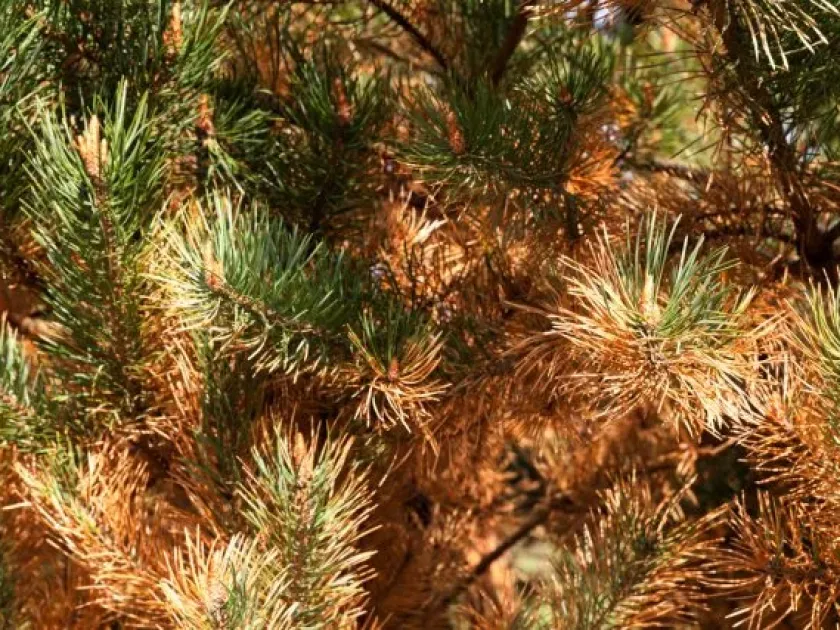
The first clinical signs of Phacidiaceae-related diseases typically appear in early spring, immediately following the melting of the snow. Infected needles turn a reddish-brown color, eventually fading to a pale grayish-white as they die.
Small black fruiting bodies (apothecia) become visible on the surface of the discolored needles. These structures eventually rupture the needle epidermis, signifying the readiness of the fungus to release spores for the next infection cycle.
A thin, white mycelial mat is often observed covering the needles under high-humidity conditions in the spring. This growth is a clear indicator of active colonization and high pathogen density in the area.
Defoliation is a major symptom; heavy infections result in significant needle cast, leaving branches bare. In young seedlings, this damage often extends to the terminal buds, leading to stunted growth or branch mortality.
Diagnosis is usually confirmed by the presence of these fruiting bodies and the characteristic pattern of needle browning. Early detection is crucial, as the disease tends to spread in localized clusters or patches.
Pathogen
The family Phacidiaceae consists of ascomycetous fungi within the order Helotiales. A primary member of this group is the pathogen Phacidium infestans, widely recognized for causing snow blight in various coniferous species.
These fungi are obligate parasites, focusing their life cycle on the foliage and needles of their host plants. They are specialized organisms that have evolved to thrive in specific climatic conditions, often associated with seasonal temperature changes.
The infection begins with the dispersal of ascospores produced in fruiting bodies called apothecia. These structures develop on the surface of dead or dying needles, acting as the primary source of inoculum for new infections.
Spore dissemination occurs primarily via wind and splashing rain, allowing the pathogen to spread efficiently across forest stands or nurseries. Once the spores land on susceptible needles, they penetrate the epidermis and colonize the internal tissues.
A distinctive biological trait of this family is their ability to remain metabolically active under snow cover. This unique adaptation allows the fungus to continue mycelial growth during the winter months when other pathogens are dormant.
Conditions for development
Long, cold winters with persistent snow cover provide the optimal environment for the development of Phacidiaceae. The humid microclimate between the snow and the needles supports rapid fungal expansion.
Poor ventilation in dense or overcrowded planting sites significantly promotes infection. High humidity around the foliage prevents needles from drying, which is essential for successful spore germination and penetration.
Host susceptibility increases when trees are stressed by nutrient deficiencies, drought, or poor site conditions. Plants that are not in an optimal physiological state lack the necessary defenses to repel the invading pathogen.
Spring temperatures between 0 and 15 degrees Celsius are ideal for the secondary spread of the fungus. During this period, the moisture levels in the air further facilitate the dispersal of spores throughout the plantation.
Accumulated debris, such as fallen needles, serves as a major reservoir for the pathogen. Since spores can survive in these residues for several years, maintaining clean growing areas is vital to disease management.
Why it matters
The primary damage caused by these fungi is the significant reduction in the aesthetic value and growth rate of conifers. In nurseries, this translates to severe financial loss due to the high mortality rate of young seedlings.
By consuming needle tissue, the fungus cripples the tree's photosynthetic capacity. This resource depletion leads to weakened resistance against secondary pests, such as bark beetles and stem borers.
Permanent deformation of the crown is a common outcome of chronic infection. The loss of foliage results in bare branches that do not recover, permanently altering the structure of the tree.
Large-scale outbreaks can cause extensive damage to entire forest stands, disrupting local ecological balances. This reduces the ability of the forest to provide essential ecosystem services, including air purification and soil stability.
Long-term exposure to the disease often requires intensive intervention, including fungicide application and removal of dead plant parts, which increases maintenance costs significantly.
Protection
Cultural management is the first line of defense; selecting resistant cultivars and ensuring proper spacing are crucial for disease prevention. Improved airflow within the canopy reduces the humidity levels required by the fungus.
Sanitary practices, such as the removal and burning of infected needles and branches, are essential to reduce the inoculum load. Maintaining a clean site prevents the fungus from persisting in the leaf litter.
Chemical control involving copper-based or sulfur-based fungicides can be effective if applied correctly. Timely applications in late autumn and early spring are necessary to disrupt the life cycle of the pathogen.
Boosting the tree's immune system through balanced fertilization and stress management helps in maintaining natural resistance. Healthy trees are significantly more resilient to infection than nutrient-deficient ones.
- Regular pruning of infected branches and debris removal.
- Planting of resistant conifer species or varieties.
- Optimizing tree spacing to promote air circulation.
- Periodic application of fungicides as recommended by local guidelines.
- Monitoring for symptoms in early spring before the infection spreads.
Discussion
No discussions yet — be the first.