
Pezizomycetes
Pezizomycotina
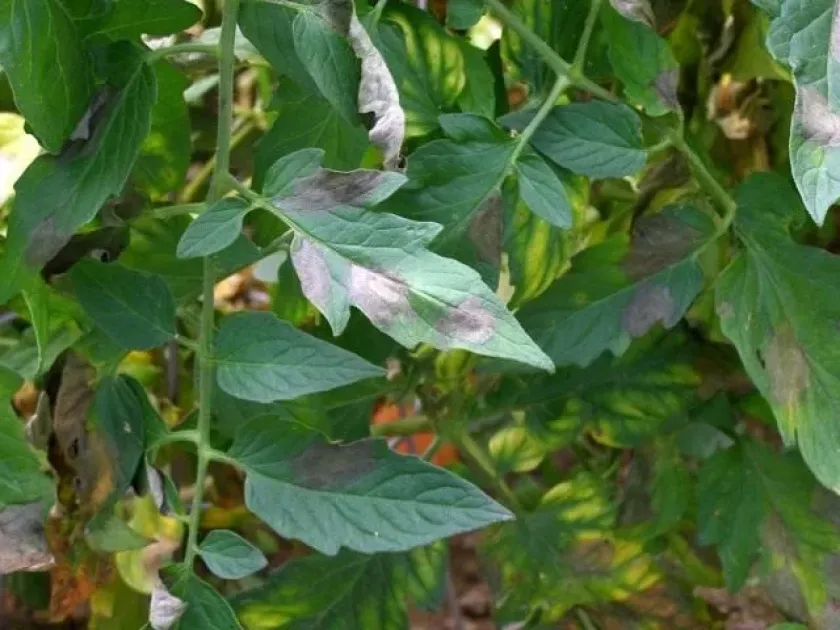
Description
Symptoms
The symptoms of Pezizomycotina infections are highly diverse but typically involve tissue degradation, such as necrotic spotting, blighting, and soft or dry rot development.
A hallmark of these fungal diseases is the presence of visible mycelial growth (molds) on the surface of leaves, stems, or fruits, often followed by the production of spore-bearing structures.
Vascular wilting is another common symptom, where the fungal colonization of the xylem blocks water flow, causing the plant to droop and yellow even when soil moisture is adequate.
In cases of fruit and tuber diseases, internal rotting often occurs, leading to a complete loss of structural integrity and marketability of the produce.
Diagnostic features often include the appearance of specialized survival structures, such as dark, hardened sclerotia, which can remain dormant in the soil for several seasons.
Pathogen
Pezizomycotina is the largest subphylum within the Ascomycota, encompassing the vast majority of fungi responsible for major agricultural diseases worldwide.
These organisms exhibit complex life cycles, alternating between asexual reproduction via conidia and sexual reproduction through structures like apothecia or perithecia.
Their biological success is attributed to the ability of their hyphae to colonize diverse plant tissues, effectively breaking down complex organic compounds through the secretion of specialized enzymes.
Many species within this group are necrotrophic or hemi-biotrophic, meaning they either kill the host tissues rapidly or initially feed on living cells before causing widespread necrosis.
Examples of major pathogens in this group include agents causing white mold (Sclerotinia), fruit rots (Monilinia), and various leaf spots, which pose a constant threat to global food security.
Conditions for development
Favorable conditions for Pezizomycotina outbreaks are strongly linked to high relative humidity and specific temperature ranges that trigger the germination of fungal spores.
Free water on the plant surface is frequently a critical requirement for the initiation of infection, facilitating the germination of conidia and the penetration of the host's epidermis.
Poor field hygiene, characterized by the retention of crop residues, allows these fungi to overwinter effectively and serve as a primary inoculum source for the following season.
High plant density and limited air movement create a stagnant microclimate within the crop canopy, significantly accelerating the spread of the disease.
Stress factors, including nutrient imbalance and physical injury from pests or machinery, render plants more susceptible to initial fungal colonization.
Why it matters
The economic impact of Pezizomycetes is profound, as these pathogens cause substantial yield losses in virtually all types of agricultural and horticultural crops.
Beyond direct damage to plant structures, these fungi can produce toxic secondary metabolites, such as mycotoxins, which pose significant health risks to both humans and livestock.
The reduction in photosynthetic area due to leaf spots and blight results in smaller fruits, lower protein content in grains, and overall reduced crop vigor.
Post-harvest losses are a major component of the harm, as fungal infections often continue to develop during storage, rendering large portions of harvested yield unsalable.
In severe infestation cases, entire crops can be decimated, necessitating emergency harvesting or total abandonment of fields, leading to significant financial losses for farmers.
Protection
Effective management of these fungal pathogens requires an integrated approach that focuses on preventing the accumulation of inoculum and strengthening plant defenses.
Agronomic practices, including deep plowing to bury infested debris, strict crop rotation, and the selection of resistant cultivars, are the first line of defense against these fungi.
Chemical control involving the use of systemic fungicides is critical during peak periods of disease pressure, provided that products are applied according to resistance management guidelines.
Biological control agents, such as specific Trichoderma species or beneficial bacteria, are increasingly used to suppress fungal pathogen populations in the soil and on plant surfaces.
- Routine field monitoring to detect early signs of fungal activity.
- Balanced fertilization to prevent overly lush tissue susceptible to attack.
- Sanitation protocols to remove and destroy infected plant parts promptly.
Discussion
No discussions yet — be the first.