
Pezizaceae
Pezizaceae
Description
Symptoms
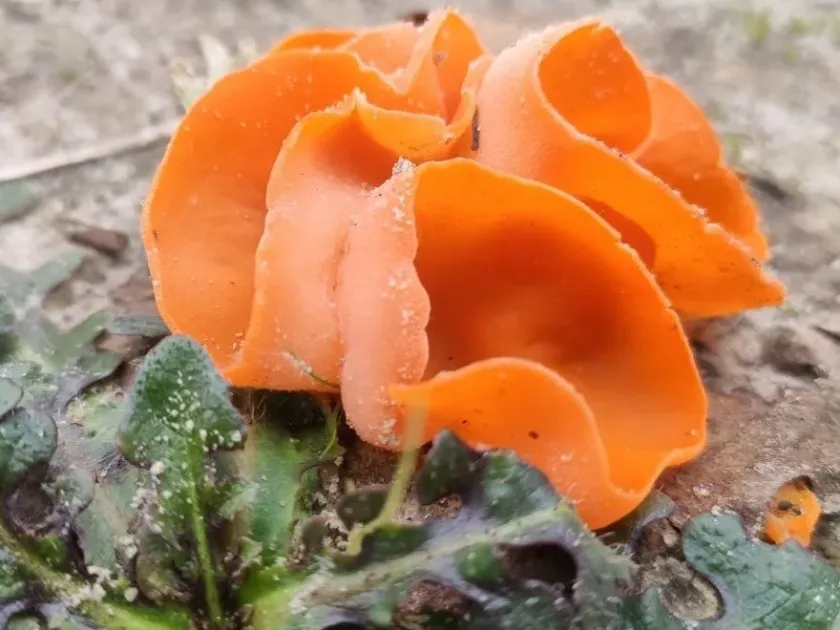
Symptoms often involve the appearance of cup-shaped or saucer-shaped fruiting bodies, known as apothecia, emerging from the soil near the plant base.
Plants affected by these fungi typically exhibit signs of root stress, such as stunted growth, yellowing leaves, and reduced vigor compared to healthy counterparts.
Tissue necrosis may appear at the root collar, manifesting as darkened, softened areas that indicate the breakdown of cellular structures by fungal enzymes.
Root systems may show significant browning or decay, leading to impaired nutrient and water uptake, which triggers premature wilting in the foliage.
Under humid conditions, a whitish or greyish mycelial mat might be visible at the surface of the soil or on the lower stem segments of the affected plant.
Pathogen
Pezizaceae is a family of fungi within the Ascomycota division. They are primarily recognized as soil-dwelling saprotrophs that play a vital role in decomposing organic matter.
While they are not traditional aggressive pathogens, they can behave as opportunistic invaders when host plants are stressed, damaged, or growing in unfavorable conditions.
The pathogen reproduces via spores, which remain viable in the soil for extended periods, waiting for high moisture levels to germinate and colonize substrates.
Biologically, these fungi produce powerful enzymes that break down cellulose and other complex polymers, making them highly efficient at utilizing plant residues in the soil.
The presence of Pezizaceae is often an indicator of high organic matter content and moisture, but in compromised systems, this activity can unintentionally intersect with the root health of cultivated plants.
Conditions for development
High soil moisture is the primary driver for the development and proliferation of Pezizaceae, as they thrive in damp, poorly ventilated environments.
Optimal temperatures for their growth usually range from 15 to 25 degrees Celsius, aligning with the requirements of many greenhouse and field crops.
Poor soil aeration and lack of drainage create the stagnant conditions these fungi prefer, allowing their mycelium to spread rapidly across the root zone.
An abundance of non-decomposed organic material provides an ample food supply, fueling the growth of fungal populations in the soil matrix.
Greenhouse conditions with high humidity and stagnant air often exacerbate the spread of these fungi, making frequent monitoring essential.
Why it matters
The primary harm caused by Pezizaceae is the interference with seedling development, which can lead to low crop establishment rates and yield loss.
By compromising the integrity of the root system, these fungi predispose crops to further damage from other secondary pathogens or environmental stressors.
In commercial settings, the aesthetic damage caused by the growth of fruiting bodies can render ornamental plants and nursery stock unmarketable.
Chronic infestations can deplete the root vigor of perennial plants over several seasons, leading to long-term productivity decline and plant mortality.
The overall reduction in root efficiency directly impacts the plant's ability to tolerate drought, nutrient deficiency, and other seasonal stresses.
Protection
Managing Pezizaceae focuses on habitat modification and maintaining optimal soil conditions to discourage fungal colonization.
Improving soil drainage and preventing waterlogging are the most effective preventive measures to suppress the active growth of these saprotrophic fungi.
Sanitation practices, such as removing old plant residues and disinfecting greenhouse equipment, significantly reduce the spore load in the environment.
Cultural methods, including regular cultivation for aeration and balanced fertilization, foster strong root systems that are less susceptible to fungal attacks.
- Ensure adequate greenhouse ventilation.
- Avoid over-irrigation.
- Use sterile potting mixes for seedlings.
- Incorporate beneficial microorganisms into the soil.
Discussion
No discussions yet — be the first.