
Peziza vesiculosa
Peziza vesiculosa
Description
Symptoms
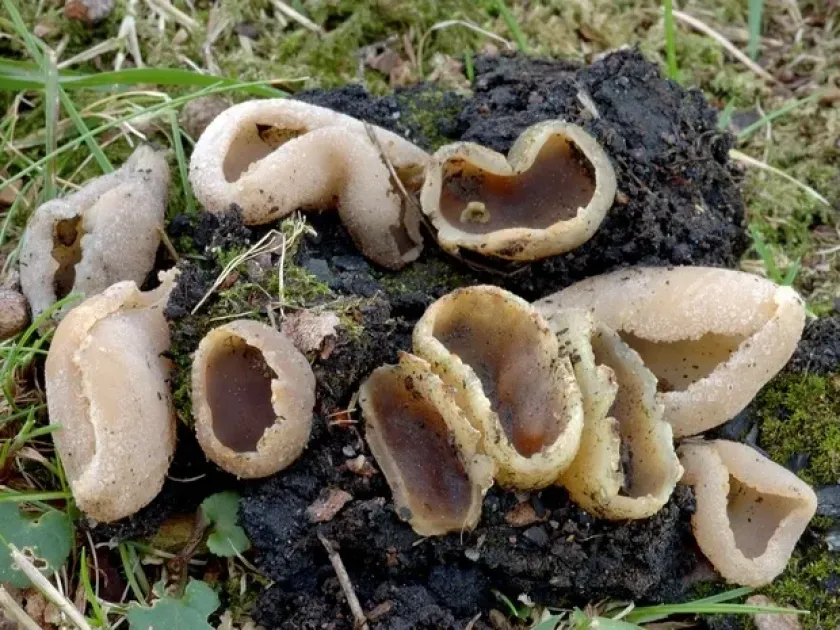
The most distinctive sign of Peziza vesiculosa is the appearance of small, cup-like or saucer-shaped fruiting bodies appearing in groups on the surface of the growing medium or around the base of plants.
Before the appearance of fruiting bodies, one may notice a fine, whitish mycelial web covering the top layer of the soil, indicating the fungus is actively colonizing the substrate.
Plants growing in heavily infested areas often exhibit signs of stress, such as yellowing of the lower foliage and retarded growth, partially due to the fungus interfering with root oxygenation.
The soil surface may become compacted or crusty as the mycelium binds soil particles together. A distinct, musty mushroom odor is often associated with high levels of fungal activity in the substrate.
Regular visual inspections of the soil surface in humid areas of the greenhouse are essential for early detection, especially in pots or propagation trays containing high organic matter content.
Pathogen
Peziza vesiculosa is an ascomycete fungus frequently encountered in greenhouse conditions. While primarily a saprotroph that feeds on organic matter, its presence can indicate poor soil management or an imbalance in the greenhouse ecosystem.
The fungus thrives on decomposing plant materials, manure, and peat-based substrates. It establishes a vegetative mycelium deep within the soil structure, which can outcompete plants for resources if the fungal load is high.
The organism completes its life cycle by forming cup-shaped fruiting bodies, known as apothecia, which emerge above the soil surface. These structures are brownish, brittle, and often cluster together in favorable environments.
Reproduction is facilitated by spores released from these fruiting bodies, which easily travel through the air or via water droplets during irrigation. This makes rapid colonization of greenhouse surfaces possible.
Biologically, Peziza vesiculosa is an indicator of moist, organic-rich environments where decomposition is occurring, making it a nuisance in controlled agricultural settings.
Conditions for development
High humidity and moisture levels in both the soil and the air are the primary drivers for the development of Peziza vesiculosa, favoring temperatures between 18°C and 25°C.
The presence of uncomposted or partially decomposed organic matter, such as raw manure or immature compost, provides an ideal nutritional source for this fungus to flourish.
Poor ventilation leads to stagnant air conditions and creates micro-climates with excessive moisture, which are perfect for the rapid germination of fungal spores on the soil surface.
Soil pH plays a secondary role, with the fungus generally preferring neutral to slightly acidic conditions, which are common in many greenhouse peat-based growing media.
Inconsistent or excessive irrigation that keeps the top layer of the substrate constantly wet is the most common trigger for the mass emergence of fruiting bodies in a greenhouse setting.
Why it matters
The main harm caused by Peziza vesiculosa is the disruption of the physical properties of the growing medium, specifically its aeration and water-holding capacity, which affects root health.
By consuming available organic nutrients in the substrate, the fungus indirectly competes with crops, potentially reducing the availability of nitrogen and other essential compounds.
The fungus creates a poor environment that may encourage secondary bacterial pathogens. If the mycelium touches the stems of fragile young plants, it can lead to localized stem rot or necrosis.
The presence of these mushrooms significantly decreases the commercial aesthetic value of potted plants, often rendering them unsalable in high-end greenhouse markets.
Increased maintenance costs are incurred due to the need for frequent soil replacement, labor-intensive cleaning, and additional disinfection processes to clear the infestation.
Protection
The most effective strategy involves improving greenhouse ventilation to lower humidity and implementing precise irrigation schedules to avoid keeping the soil surface constantly saturated.
Prevention relies heavily on using only high-quality, fully composted materials in soil mixes, ensuring that all organic matter is sufficiently stabilized before being introduced to the plants.
Mechanical removal of fruiting bodies as soon as they appear is vital to prevent the spread of spores, which are capable of contaminating large areas of a greenhouse facility very quickly.
Thermal soil sterilization (steam treatment) is the gold standard for eradicating the mycelium and spores in the substrate before planting cycles, especially if the infestation has been persistent.
The application of biological control agents, such as Trichoderma species, can help establish a beneficial microflora that effectively suppresses the growth of Peziza vesiculosa.
Discussion
No discussions yet — be the first.