
Peziza saniosa
Peziza saniosa
Description
Symptoms
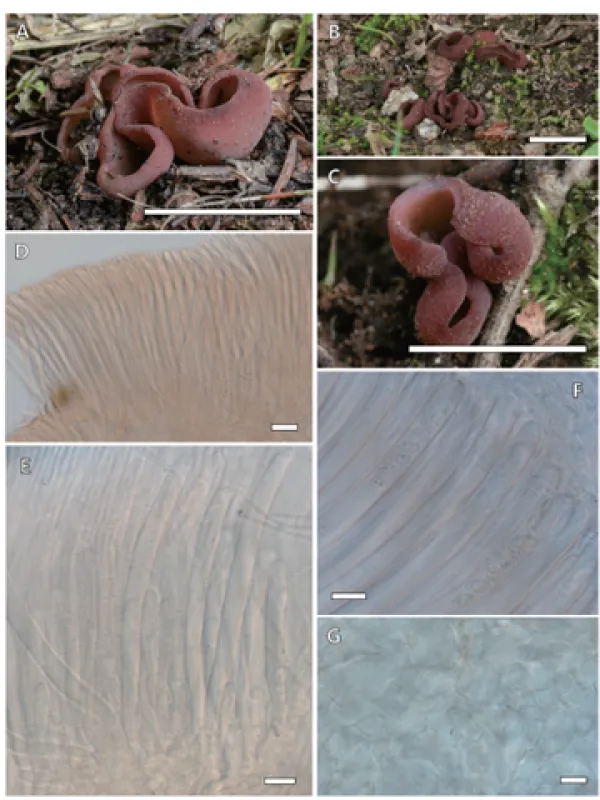
The most prominent sign of Peziza saniosa is the emergence of deep, cup-shaped fruiting bodies, known as apothecia, on the soil surface or rotting debris.
The fruiting bodies display a characteristic brownish color and a slightly incurved margin, often appearing in clusters.
A diagnostic field test involves gently squeezing the cup; the release of a distinct blue-violet liquid confirms the presence of this specific species.
Infected areas of the soil or wood may show signs of discoloration due to the enzymatic activity of the fungus and the breakdown of organic matter.
Stunted development of herbaceous plants in the immediate vicinity of the fungal colonies is a frequent observational sign for growers.
Pathogen
Peziza saniosa is a species of cup fungi belonging to the Pezizaceae family. It is recognized primarily as a saprotrophic fungus that thrives on decaying organic matter.
The pathogen utilizes complex enzymes to break down cellulose and lignin, making it an efficient decomposer in moist, nutrient-rich environments.
While primarily a wood and soil inhabitant, it can occasionally associate with the root zones of stressed plants in moist agroecosystems.
The biological hallmark of this species is the exudation of a violet-blue latex when the fruiting body is bruised or broken.
Dissemination is achieved through microscopic spores that are easily dispersed by wind, rain, and human agricultural activities.
Conditions for development
This fungus requires high moisture levels and a stable, humid microclimate to initiate the development of its reproductive structures.
Optimal growth occurs in areas with heavy accumulation of leaf litter, bark, or other woody organic debris, often in shaded parts of the field.
Poorly drained soils or waterlogged conditions are critical factors that promote the establishment of widespread fungal colonies.
Moderate temperatures, especially during cool and rainy seasons, provide the perfect conditions for the rapid maturation of the fungal cups.
Soil composition, particularly high acidity, is conducive to the growth of Peziza species compared to neutral or alkaline soils.
Why it matters
Peziza saniosa acts primarily as a competitor for nutrients in the soil, which can indirectly impact the vigor of adjacent agricultural crops.
The fungal mycelium can physically alter soil structure, potentially affecting water infiltration and root aeration, which weakens plant health.
In woody plants, it can accelerate the decay of structural tissues if it colonizes injured stems or root crowns during moisture-stress periods.
The presence of large colonies often signals an underlying management issue, such as poor sanitation or chronic soil compaction.
While not a primary pathogen, the fungus creates a micro-environment that can harbor or support other secondary opportunistic pathogens.
Protection
The most effective strategy involves strict field sanitation, including the removal of all decaying woody material and organic waste from the planting area.
Improving field drainage through proper land grading or tile installation is essential to reduce the moisture levels required for fungal growth.
Adjusting soil pH through liming can render the environment less hospitable to this acid-loving fungus, effectively inhibiting its spread.
Regular cultivation and aeration of the topsoil help expose fungal mycelium to drier conditions, limiting further colonization.
- Hand-removal of fruiting bodies to prevent spore dispersal.
- Application of organic matter amendments only after proper composting.
- Ensuring sufficient spacing between crops to promote airflow.
Discussion
No discussions yet — be the first.