
Peziza repanda
Peziza repanda
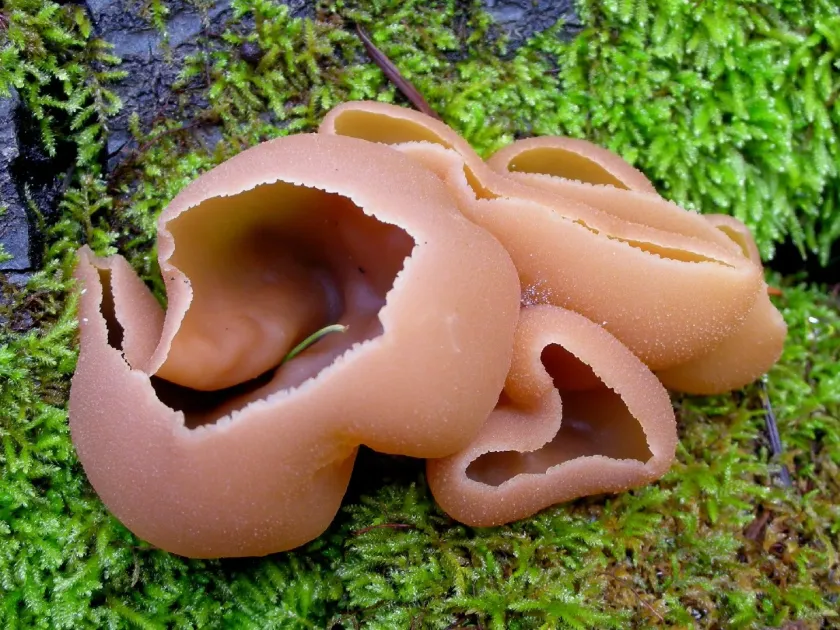
Description
Pathogen
Peziza repanda is a cup fungus belonging to the Pezizaceae family. In agriculture, it is classified as a soil saprotroph, meaning it derives its nutrients from decaying organic matter rather than attacking living plant tissues.
The fungus produces distinctive dish-shaped or flattened fruiting bodies that lack a stalk. These structures are often seen in greenhouses or gardens on wood debris, compost, or nutrient-rich soil.
While not a primary plant pathogen, its development is closely linked to the decomposition cycle within the soil profile. The fungus operates by secreting enzymes that break down complex organic polymers.
The life cycle involves spore dispersal through air currents, which allows the fungus to colonize new areas quickly if environmental conditions are suitable.
In the context of crop management, Peziza repanda is often considered an indicator species, highlighting the presence of uncomposted materials or excessive moisture in the growing medium.
Conditions for development
High humidity and consistent soil moisture are the most critical factors for the germination and growth of Peziza repanda. It thrives in environments where drainage is poor.
The fungus prefers temperatures between 15°C and 22°C. These conditions are commonly found in commercial and amateur greenhouses during the early stages of plant growth.
Organic-rich substrates such as bark chips, non-sterile compost, or fresh manure create the perfect nutrient source for the fungal mycelium to proliferate.
Low light levels in combination with stagnant air contribute to the successful formation of fruiting bodies on the surface of the soil or container pots.
Neutral to slightly acidic pH levels in the soil are favorable for its development, making it a frequent inhabitant of treated potting mixes that have been contaminated post-processing.
Why it matters
The primary concern is the physical and biological competition with the cultivated plants. As the fungus decomposes organic matter, it can tie up available nitrogen, temporarily depriving plant roots of this essential nutrient.
The formation of dense mycelial mats on the soil surface can impede oxygen exchange, causing roots to suffer from hypoxia, especially in young seedlings with sensitive root systems.
By retaining excessive moisture, the fungus creates a microclimate conducive to other harmful pathogens and pests, such as fungus gnats (Sciaridae), which feed on plant roots.
The presence of large colonies can alter the soil's structure and porosity, leading to uneven water distribution and potential root stress for the crop.
While not directly infectious, the metabolic byproducts of the fungus may alter the local rhizosphere, potentially inhibiting the growth of beneficial mycorrhizal associations necessary for plant health.
Protection
Good agricultural practices are the most effective control method. Ensure that all compost or organic substrates are fully decomposed and sterile before use.
Proper water management is essential; avoid overwatering and ensure that pots and greenhouse beds have adequate drainage to prevent saturation of the surface layer.
Mechanical removal of the fruiting bodies and the surrounding top layer of soil can help reduce the spore load and prevent further infestation within the facility.
The use of biological control agents, particularly beneficial fungi like Trichoderma species, can effectively suppress the colonization of soil by Peziza repanda.
Improving greenhouse ventilation and soil aeration through regular cultivation or amendments can create an environment hostile to fungal growth while promoting healthier plant root development.
Discussion
No discussions yet — be the first.