
Peziza granulosa
Peziza granulosa
Description
Symptoms
The first signs of infestation include the emergence of small, brown, cup-like structures on the substrate surface. These are often accompanied by a white or greyish network of mycelium.
Seedlings affected by the presence of Peziza granulosa typically exhibit yellowing of the lower leaves. Growth becomes stunted, and in severe cases, the plants may show signs of wilting even if the soil is moist.
The root collar of young plants can become constricted by the fungal hyphae. This leads to lodging, where the stem becomes weak and collapses, a condition that can be confused with "damping-off" diseases.
Examination of the roots often reveals patches of discoloration or necrotic spots. The hyphae physically surround the fine root hairs, acting as a barrier to nutrient uptake and hindering the overall development of the root system.
Areas of the nursery bed affected by the fungus often develop a musty, earthy odor. This is a clear indication of significant fungal activity occurring within the top layer of the substrate.
Pathogen
Peziza granulosa belongs to the order Pezizales within the Ascomycota division. It is primarily a soil-dwelling saprotrophic fungus that thrives on decaying organic matter but can become problematic in intensive cultivation environments.
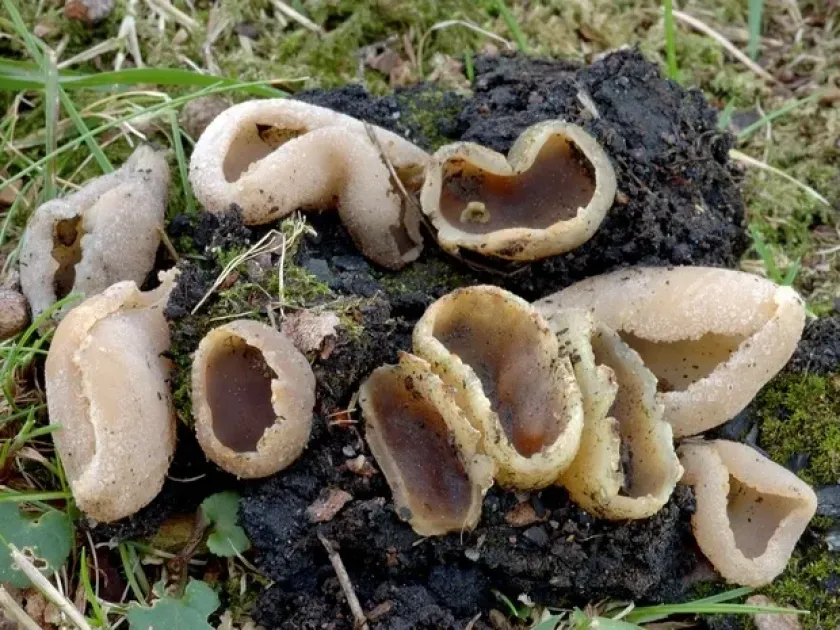
The fungus produces distinctive cup-shaped fruiting bodies, known as apothecia, on the soil surface. These structures are brownish and have a characteristic granular texture, which is a key diagnostic feature.
Propagation occurs through spores dispersed by water splashes, air currents, or movement of contaminated soil. The spores are resilient and can remain dormant in the substrate for extended periods.
In greenhouses, this fungus often colonizes nutrient-rich peat-based substrates. It thrives where organic matter remains partially decomposed, providing a constant source of carbon for fungal growth.
While not a primary obligate parasite, its dense mycelial mats can physically suffocate young seedlings and interfere with the root system's ability to absorb water and essential nutrients from the growing medium.
Conditions for development
The primary driver for the development of Peziza granulosa is high humidity combined with poor drainage. Constantly saturated substrates create the perfect environment for the fungus to flourish.
High organic matter content, specifically peat or poorly composted material, provides a direct energy source for the fungus. Substrates that are not properly sanitized are highly susceptible to infection.
Temperature plays a significant role, with the fungus showing optimal growth between 18°C and 25°C. These temperatures coincide with the favorable range for most seedling growth, making management challenging.
Inadequate ventilation in closed environments leads to stagnant air and high relative humidity. This prevents the substrate surface from drying out, which is necessary to suppress the development of fruiting bodies.
Lack of crop rotation and reusing infected containers without proper sterilization leads to a buildup of inoculum. Over time, this creates a soil environment that is increasingly difficult to keep disease-free.
Why it matters
The economic impact of this fungus is most significant in forestry nurseries and ornamental plant production. The direct mortality of seedlings results in substantial losses of valuable plant material.
Beyond physical damage, the fungus competes for nutrients, depleting the substrate and leaving young plants vulnerable to nutritional deficiencies and secondary opportunistic pathogens.
Plants that survive the initial fungal colonization are often weak and lack the vigor required for transplanting. This reduces the overall quality and marketability of the nursery stock.
The presence of fruiting bodies creates a nuisance in commercial production, complicating daily maintenance tasks like watering and surface weeding, as the substrate remains unstable.
In large-scale operations, a widespread outbreak may require the total removal and replacement of the growing medium, resulting in significant costs and disruption of production schedules.
Protection
The most effective management strategy is the sterilization of substrates prior to planting. Steam treatment or chemical fumigation is highly recommended to eliminate fungal spores and mycelial fragments.
Implementing a strict irrigation management plan is essential. Watering should only be done when necessary, allowing the top layer of the substrate to dry out significantly between cycles.
Improving airflow through consistent ventilation is crucial for reducing humidity levels in the greenhouse. This creates a less favorable microclimate for the formation of Peziza fruiting bodies.
- Use only well-composted, high-quality organic substrates.
- Apply biological fungicides containing Trichoderma to suppress fungal competition.
- Remove and destroy any substrate patches showing fruiting bodies immediately.
- Maintain optimal plant density to ensure adequate light and air circulation.
When an outbreak occurs, focus on spot-treating the affected areas with appropriate fungicides and increasing the frequency of surface cultivation to break up the mycelial mats.
Discussion
No discussions yet — be the first.