
Peziza gerardii
Peziza gerardii
Description
Symptoms
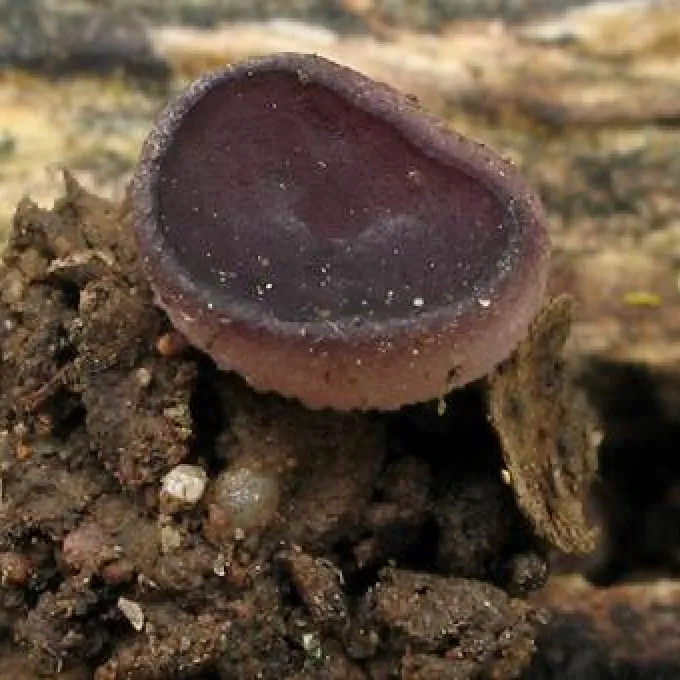
The primary sign of this fungus is the emergence of characteristic cup-shaped fruit bodies directly on the soil surface, mulch, or rotting plant residues in the root zone.
The fungus is recognizable by its brittle, fragile structures ranging in size from a few millimeters to several centimeters. During massive outbreaks, they form groups that are visually prominent against the ground.
An indirect sign of the site being affected is the general suppression of crop development, manifested by leaf yellowing and stunted growth in areas of active mycelial growth.
The root systems of plants neighboring the fungal colonies often show signs of superficial necrosis caused by the enzymes secreted by the mycelium during its nutrition process.
The presence of fungal spores in the root zone often correlates with poor soil aeration, which negatively impacts the gas exchange and nutrient uptake of the plant roots.
Pathogen
Peziza gerardii is an ascomycete fungus belonging to the Pezizaceae family. This species is primarily a saprotroph, although under specific conditions, it may exhibit opportunistic behavior affecting weakened plant tissues.
The fungus typically forms cup-shaped or saucer-shaped fruit bodies that lack a stem or have a very short pseudostem. The color of the fruit bodies usually varies from creamy to brown, and the surface can be smooth or slightly rough.
Spread occurs primarily through spores (ascospores) dispersed by wind or water droplets during the growing season. The mycelium can survive for extended periods in soil or decaying organic matter.
The life cycle of the pathogen is closely linked to the availability of abundant organic residues. Its presence often indicates a disruption in the microflora balance or excessive moisture in the substrate.
Although Peziza gerardii is not an obligate pathogen of crops, it often coexists with root rots, creating competition with other beneficial microorganisms and complicating the phytosanitary situation.
Conditions for development
Favorable conditions for the development of Peziza gerardii include soils with high humidity and poor aeration. Waterlogging is a key factor that triggers active sporulation.
The fungus prefers areas rich in uncomposed organic matter. The use of fresh manure or poorly composted mulch creates an ideal substrate for mycelial colonization.
The temperature optimum for development involves moderate values typical for spring and autumn, when air and soil humidity remain consistently high.
Lack of proper crop rotation and the accumulation of plant litter also facilitate the establishment of the fungus on a site. Dense planting, which prevents air circulation, creates a microclimate perfect for reproduction.
Soil acidity plays a secondary role, although in acidic soils with high humus content, fungal colonies can reach maximum density.
Why it matters
The main harm consists of disrupting the normal development of young plants. By competing for nutrients and space, the fungus suppresses beneficial microflora.
During massive development, the mycelium can physically damage delicate root tissues, creating entry points for secondary bacterial and fungal infections that cause rots.
Metabolic products of the fungus accumulating in the soil can have a toxic effect on crop seedlings, reducing their germination rate and growth energy.
The presence of fungal fruit bodies reduces the aesthetic value of ornamental plantings and complicates the implementation of agrotechnical measures.
In greenhouses, the emergence of Peziza gerardii can lead to the disruption of the substrate's water regime due to changes in the physical and chemical properties of the soil.
Protection
The primary protection measure is the improvement of soil drainage and aeration. It is necessary to avoid waterlogging and stagnant water, ensuring the removal of excess moisture from planting areas.
Removal and disposal of affected plant residues and fungal fruit bodies are recommended. Organic matter where active colonization is noticed should not be left on the site.
Prevention includes the use of high-quality, well-decomposed composts and mulching materials that have undergone thermal or biological treatment.
The use of broad-spectrum fungicides may be justified only in cases of severe crop suppression; however, methods of improving soil structure are more effective.
Application of biological preparations based on Trichoderma helps create a competitive environment and suppress the development of Peziza gerardii mycelium in the soil layer.
Discussion
No discussions yet — be the first.