
Peziza badia
Peziza badia
Description
Pathogen
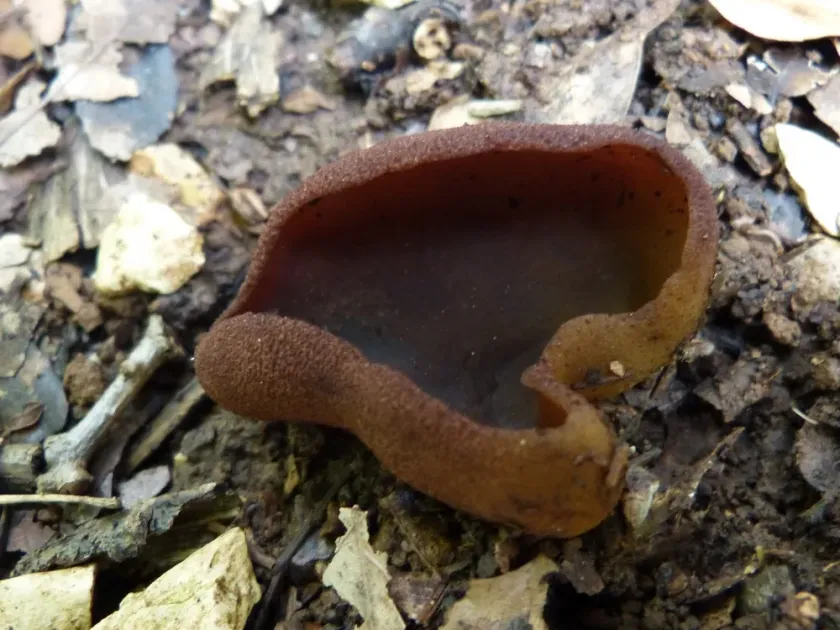
Peziza badia, commonly known as the bay cup, is a member of the Pezizaceae family. It is a cup-shaped ascomycete fungus that acts primarily as a saprotroph, decomposing organic matter in soil.
The fungus manifests as brown, saucer-like apothecia that emerge from the soil surface. Beneath the surface, an extensive network of mycelium processes cellulose and other organic compounds.
While not a primary plant pathogen, it thrives in environments characterized by high organic content, often appearing in greenhouses or nurseries where mulching materials are used.
The biological cycle relies on the production of spores that are easily dispersed through air currents and water splashes, allowing for rapid colonization of new wet areas.
Scientific studies classify this fungus as an indicator species, signaling that soil moisture levels and organic degradation processes are highly active in the specific area.
Conditions for development
Growth is strongly favored by high moisture levels, particularly in shaded and poorly ventilated locations where evaporation rates are minimal.
The fungus prefers temperatures ranging from 15°C to 25°C, which are typical for many greenhouse-grown horticultural crops.
Substrates rich in wood chips, leaf mold, or uncomposted organic matter provide the necessary carbon sources for the development of Peziza badia.
Poor soil structure, such as compaction that prevents drainage, leads to stagnant water zones that become hotspots for the fungus.
Environmental stability, characterized by low light intensity and constant dampness, ensures the prolonged survival and multiplication of the fungal colony.
Why it matters
The primary concern regarding this fungus is its ability to physically crust over the soil surface, hindering oxygen exchange for plant root systems.
Competition for soil nutrients can lead to minor growth delays in sensitive plant seedlings, especially when the fungal network is extensive.
The moisture levels maintained by the fungal colony often facilitate the growth of other, more harmful pathogens that target plant roots.
In nursery settings, the presence of large, conspicuous cup-like structures is detrimental to the marketability of ornamental container-grown plants.
Frequent overgrowth can lead to changes in soil pH and moisture retention capacity, which might negatively influence the micro-environment of young delicate plants.
Protection
The most effective strategy involves optimizing irrigation schedules to allow the top layer of soil to dry out between watering sessions.
Mechanical aeration of the soil surface helps disrupt the mycelial network and improves the necessary airflow to the roots.
Improving the greenhouse microclimate through increased ventilation reduces the ambient humidity, effectively suppressing the formation of apothecia.
Replacing uncomposted organic mulches with sterilized media or mineral-based top dressings can significantly limit the fungus's food supply.
In severe cases of infestation, removing the top layer of contaminated soil and applying appropriate fungicide treatments, in accordance with local regulations, can restore plant health.
Discussion
No discussions yet — be the first.