
Pezicula cinnamomea
Pezicula cinnamomea
Description
Symptoms
The primary symptom is the appearance of distinct cinnamon-colored or brownish discolored patches on the bark. These spots often sink and may eventually crack as the necrosis deepens.
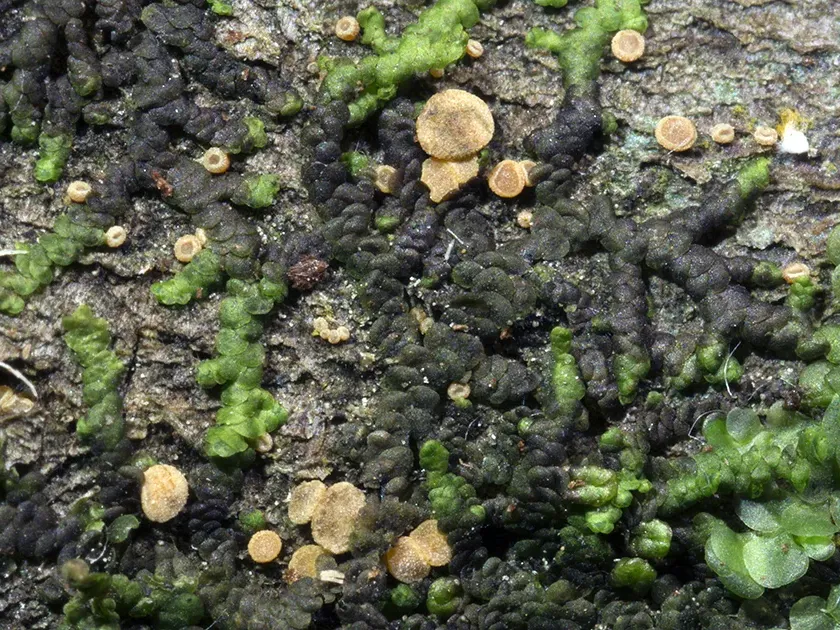
Small, disc-shaped or cup-like fungal fruiting bodies become visible on the dead bark. Their color typically ranges from pale yellow to a deeper brown, clustered in the center of the lesion.
As the infection progresses, the necrotic lesions can girdle the infected branch or stem. This blockage of water and nutrients leads to the sudden wilting and dieback of everything beyond the point of infection.
Wood beneath the affected bark often displays a dark, brownish-black discoloration, indicating that the fungal hyphae have penetrated deep into the xylem tissue.
In certain species, the infection can trigger localized gummosis (oozing of sap), which further weakens the tree's natural defense systems and serves as a visual indicator of stress.
Pathogen
The disease is caused by the ascomycete fungus Pezicula cinnamomea. It is a known pathogen that targets the bark and cambium layers of various deciduous trees, leading to localized necrotic lesions.
The fungal mycelium penetrates the bark tissue, disrupting the cambium's function. During the reproductive phase, the fungus produces small apothecia, which appear as reddish-brown discs on the surface of the affected bark.
This fungus acts as a facultative parasite. It can persist in dead bark tissue, waiting for conditions that weaken the host tree, such as environmental stress or mechanical injury, to initiate a more aggressive infection.
The life cycle involves the dispersal of ascospores. Under high humidity, these spores are released and disseminated by wind and splashing raindrops, which allows the fungus to spread rapidly across tree canopies.
Pezicula cinnamomea is frequently found in association with other secondary pathogens. Once it establishes an infection, it can create a pathway for further degradation of the tree's vascular system.
Conditions for development
High humidity and prolonged wet periods are the most significant drivers for the development and spread of Pezicula cinnamomea. Frequent rains provide the moisture necessary for spore germination.
Mechanical injuries are critical entry points. Wounds from improper pruning, frost cracks, or sunscald create exposed tissue that is highly vulnerable to colonization by fungal spores.
Dense, poorly ventilated plantings impede airflow, maintaining a humid microclimate within the canopy that slows down the drying process of bark after rain, favoring fungal growth.
Trees experiencing physiological stress, whether from drought, nutrient deficiency, or poor soil conditions, are significantly more susceptible to infection compared to healthy, vigorous specimens.
Temperatures ranging from 15 to 22 degrees Celsius (59–72°F) are considered ideal for the vegetative growth of the mycelium and the production of new spores.
Why it matters
The primary impact of the disease is the premature dieback of branches, which compromises the tree's health and structural integrity. Severe cases can result in the complete death of the tree.
Infection significantly reduces the cold hardiness of trees. Necrotic areas are much more susceptible to freezing damage in winter, leading to further expansion of the lesions.
The disease can cause widespread damage within a garden if not managed, as the spores easily spread to healthy trees nearby, particularly those with similar bark characteristics.
Pezicula cinnamomea disrupts the tree's aesthetic value, causing unsightly lesions and deadwood. This often requires heavy pruning, which alters the tree's shape and growth potential.
By weakening the host's natural immunity, the fungus exposes the tree to opportunistic secondary pests and pathogens that thrive on decaying wood and weakened plant material.
Protection
Sanitation is the most important control measure. All infected branches must be pruned back to healthy, green tissue, and the tools used should be disinfected after every cut.
Applying copper-based fungicides can help prevent the spread of spores, especially after pruning or during periods of high humidity when the infection risk is elevated.
Preventing mechanical damage is crucial. All significant pruning wounds should be sealed with specialized wound dressings to prevent the entry of pathogens into the vascular system.
Good horticultural practice, including balanced fertilization and consistent watering, supports the tree's natural resilience and aids in faster recovery after treatment.
All infected plant debris must be collected and burned or disposed of off-site. Leaving infested branches on the ground allows the fungus to continue producing spores.
Discussion
No discussions yet — be the first.