
Peyronellaea leaf spot
Peyronellaea lethalis
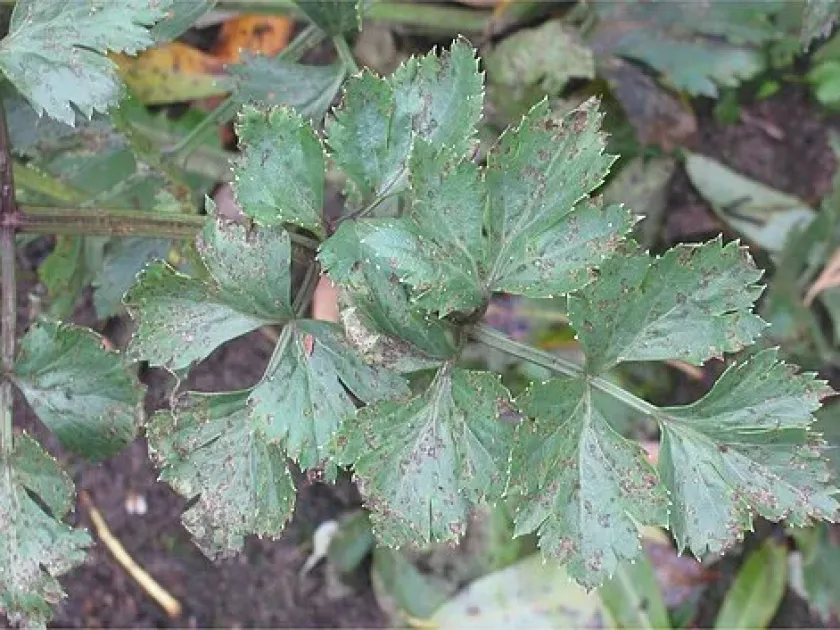
Description
Symptoms
Initial symptoms present as small, localized spots on leaves, which gradually expand into irregular necrotic areas often with dark brown borders.
As the infection advances, the centers of these spots may turn gray or light brown, sometimes exhibiting a papery texture due to cell death.
The presence of minute black pycnidia within the lesions is a diagnostic feature often visible under magnification or during humid conditions.
Stem lesions can also occur, which may cause wilting or "dieback" of branches or stems located above the point of infection.
In severe cases, the entire leaf or foliage may wither and drop prematurely, leading to significant defoliation of the crop.
Pathogen
The disease is caused by the fungus Peyronellaea lethalis, formerly recognized as Phoma exigua var. lethalis, a member of the order Pleosporales.
This pathogen persists in soil and crop debris, making it a difficult fungus to eradicate from agricultural fields through basic soil cultivation alone.
It attacks a diverse range of plant hosts, particularly those within the Solanaceae family, leading to significant necrotic tissue damage.
The fungus produces pycnidia, which serve as structures for sporulation, allowing the pathogen to thrive and propagate throughout the growing season.
Environmental dispersal of conidia typically occurs via wind-driven rain or splashing, facilitating rapid spread across the plant canopy.
Conditions for development
Favorable conditions for disease development include high humidity, prolonged leaf wetness, and moderate temperatures ranging from 18 to 25°C.
Rainy weather combined with cloudy periods promotes the germination of fungal spores and increases the frequency of new infection cycles.
Densely planted crops that lack sufficient airflow between plants create a microenvironment conducive to rapid pathogen proliferation.
Stress factors such as poor soil nutrition or mechanical damage provide entry points for the fungus, exacerbating the spread of the infection.
Low-lying areas of a field, where moisture tends to accumulate, often serve as the primary epicenters for the initial outbreak of the disease.
Why it matters
The disease severely impacts crop health by reducing the total photosynthetic area, which directly limits plant growth and fruit development.
Yield losses can be significant, as affected plants produce fewer and smaller fruits, which may also show signs of post-harvest rot.
The accumulation of inoculum in the field necessitates higher expenditures on chemical controls, reducing the profitability of the agricultural enterprise.
Premature senescence caused by severe leaf spotting leads to early loss of vigor, shortening the productive lifespan of the crop.
Quality reduction of the final product often renders the harvest unsuitable for premium markets, causing substantial economic setbacks for farmers.
Protection
Integrated pest management, including rigorous crop rotation and the removal of infected debris, is essential for reducing initial pathogen levels.
The use of certified, disease-free seed and resistant cultivars serves as the first line of defense against the introduction of the fungus.
Fungicide applications, particularly those containing copper or systemic triazoles, are effective when applied at the onset of symptoms.
Improving field sanitation and maintaining optimal plant spacing can significantly decrease the humidity levels that favor fungal development.
- Ensuring proper soil drainage to avoid water accumulation.
- Regular inspection of fields during humid weather conditions.
- Application of preventative fungicides during high-risk growth stages.
Discussion
No discussions yet — be the first.