
Peniophora fungi
Peniophoraceae
Description
Symptoms
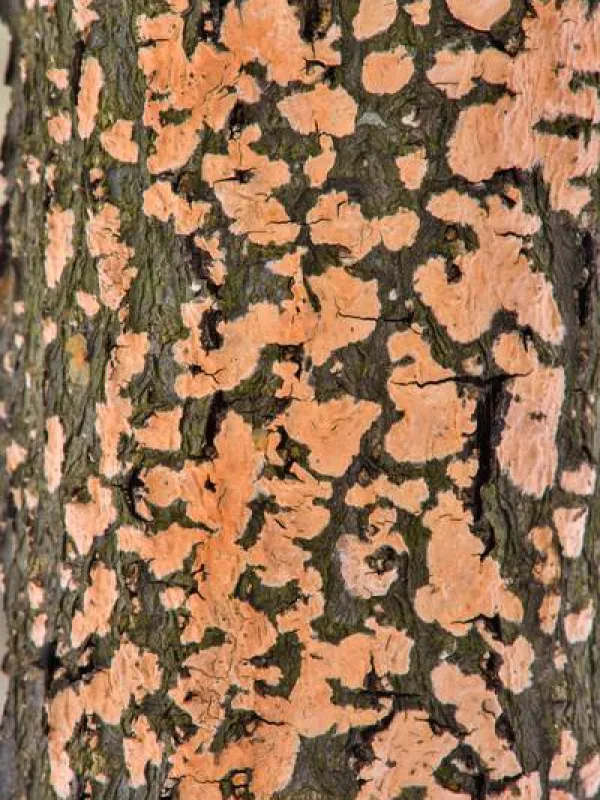
The most prominent sign of an infestation is the appearance of crust-like or leathery fruit bodies on the surface of the bark, which can be greyish, pink, or brownish in color.
Affected wood displays a marked change in structure, becoming soft, fibrous, and pale, a process typically associated with white rot development.
Bark in infected areas often becomes brittle, cracks, and peels away, revealing the damaged, decaying wood underneath the cambium layer.
Visual symptoms in the tree canopy include premature yellowing, leaf wilting, and a noticeable decline in the annual growth rate of new shoots and branches.
As the rot progresses, the mechanical strength of the wood is compromised, significantly increasing the risk of structural failure, such as snapped limbs or total tree collapse.
Pathogen
Peniophora fungi, belonging to the family Peniophoraceae, are basidiomycete fungi recognized primarily as significant decomposers of wood, capable of breaking down cellulose and lignin.
While many species act as saprotrophs, some function as opportunistic parasites, invading the tissues of woody plants and causing various forms of wood rot.
The fungus colonizes the internal vascular system and structural tissues of the tree, creating an extensive mycelial network that degrades the wood from the inside out.
Reproduction is facilitated by the production of basidiospores, which are dispersed efficiently by wind and can travel long distances to colonize new hosts.
The characteristic biological feature of this genus is the presence of specialized structures called cystidia within the hymenium, which aid in nutrient acquisition and environmental adaptation.
Conditions for development
High humidity and consistent moisture on the bark surface are essential conditions for the successful germination of spores and the initiation of fungal colonization.
Trees that are already stressed due to drought, poor soil conditions, or inadequate maintenance have compromised defense systems, making them highly susceptible to infection.
Densely planted areas with poor air circulation create microclimates that retain moisture, providing an ideal environment for the growth and spread of Peniophora.
Optimal temperatures for the development of these fungi range from 15 to 25 degrees Celsius, matching the active growing season of most ornamental and fruit-bearing trees.
Mechanical injuries, including pruning wounds or damage from harvesting equipment, provide direct entry points for the fungal mycelium to penetrate the inner heartwood.
Why it matters
The primary damage caused by these fungi is the irreversible degradation of the wood structure, which renders the tree unstable and ultimately shortens its lifespan.
In commercial orchards, Peniophora infestations lead to severe yield losses and the eventual death of productive trees, causing significant economic damage to the grower.
The development of rot often results in the formation of hollows or cavities, which serve as breeding grounds for secondary pests and invasive diseases that further weaken the host.
Infected trees act as continuous reservoirs for spores, facilitating the rapid spread of the pathogen to neighboring healthy trees and threatening the health of the entire ecosystem.
The aesthetic value of woody plants is drastically reduced, which is a major concern for landscape designers and urban forestry departments maintaining public parks.
Protection
Effective management begins with strict sanitation, involving the timely pruning and removal of all infected branches to prevent the spread of the mycelium.
All pruning wounds and mechanical injuries must be sealed immediately with specialized wound dressings or fungicides to block potential entry points for spores.
Maintaining high horticultural standards, including proper irrigation and fertilization, is vital to strengthening the tree's natural resistance to fungal pathogens.
Regular monitoring for early signs of decay, such as bark discoloration or fruit body development, allows for prompt intervention before the infection becomes systemic.
- Remove and destroy heavily infested wood to reduce spore load.
- Sanitize pruning equipment with alcohol or bleach between uses.
- Ensure adequate spacing and thinning of tree canopies to improve airflow.
- Apply preventative fungicide treatments if local conditions favor fungal spread.
Discussion
No discussions yet — be the first.