
Peniophora
Peniophora
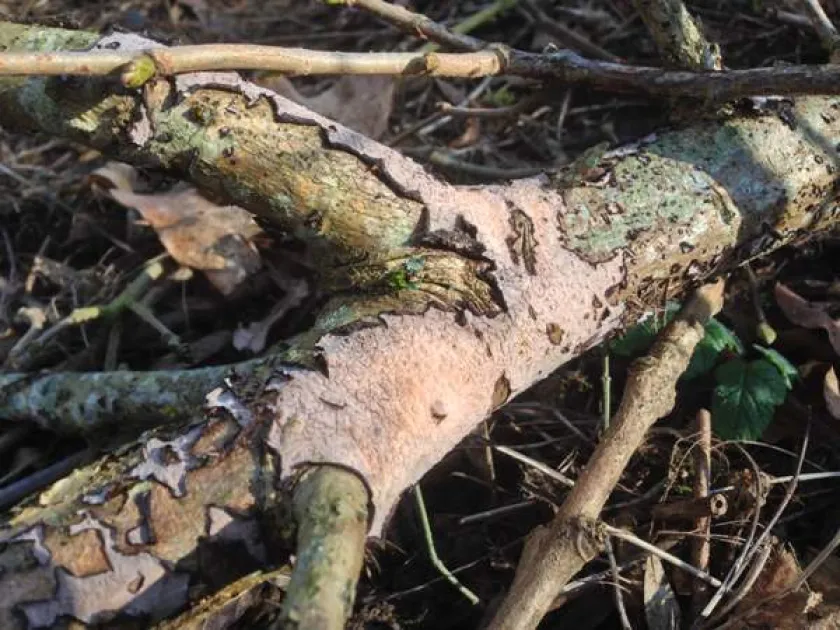
Description
Symptoms
The primary visual sign is the emergence of thin, leathery crusts or patches on the bark of branches and stems. During humid conditions, these formations become more visible and may swell in size.
As the mycelium spreads, the bark in the affected areas begins to die, crack, and peel away from the wood. This exposes the underlying tissues to further secondary infections and pest infestations.
The wood beneath the fungal crust undergoes destructive rot. It becomes soft, changes its texture, and eventually turns into crumbly debris, which can be easily detected by physical inspection.
Early symptoms may include localized bark discoloration or specific necrotic spots. By this stage, the fungus is already actively damaging the cambium layer beneath the bark.
The presence of distinct fruit bodies, which can remain on the trunk for long periods even after a branch has died, is a key diagnostic feature indicating the persistence of the fungal colony.
Pathogen
The causative agent of the disease is the fungus from the genus Peniophora, belonging to the division Basidiomycota. These are typical saprotrophs and facultative parasites that target weakened or dead wood on various deciduous tree species.
The fungus develops fruit bodies on the bark surface, appearing as flat, crust-like formations that are tightly attached to the substrate. Their color ranges from grey to yellowish-brown or reddish, depending on the species and the growth stage.
The biological cycle involves the dispersal of basidiospores through wind or water droplets. Upon landing on damaged bark, the spores germinate, forming mycelium that penetrates deep into the tree tissues.
The mycelium secretes enzymes that break down lignin and cellulose, the complex polymers of wood, causing the internal structure to soften and lose its integrity over time.
Peniophora often acts as a secondary pathogen, colonizing areas already stressed by necrosis or other infections. However, under favorable conditions, it can spread to healthy tissues, accelerating the decay of branches.
Conditions for development
The main factor promoting Peniophora development is high humidity in both the air and the wood. The fungus thrives in areas with poor aeration where moisture remains trapped for long durations.
Physical injuries to the bark, such as frost cracks, sunburn damage, pruning cuts, or broken branches, significantly increase the probability of a successful Peniophora infection.
Weakened plant immunity caused by drought, excessive soil moisture, or nutrient deficiency makes trees highly susceptible to colonization by this pathogen.
The temperature range between +15°C and +25°C is most favorable for the active growth of the mycelium and the production of fungal spores.
Dense planting configurations, lack of regular pruning, and poor crown ventilation create a microclimate that facilitates rapid spore germination and the transmission of the disease between adjacent trees.
Why it matters
Peniophora causes significant harm to woody plants by inducing bark and wood rot, which eventually leads to the dieback of individual branches or even the entire tree.
In orchards and nurseries, the spread of this fungus results in reduced aesthetic value and decreased productivity. Affected wood becomes brittle, posing a risk of breakage during high winds or heavy snowfall.
By compromising the protective layers of the trunk, the fungus creates entry points for other pathogens and wood-boring insects, which further accelerate the tree's decline.
In severe cases, the infection can cover large areas of the tree, rendering it impossible to save and necessitating removal.
The economic impact involves costs associated with the removal of dead trees, loss of fruit yield, and the implementation of extensive disease management strategies.
Protection
The primary control method is regular sanitary pruning. All affected branches must be removed immediately, ensuring the cut is made into healthy wood, and the debris must be destroyed.
Maintaining tree health through proper fertilization and watering is essential, as a vigorous tree is more capable of restricting the spread of localized fungal infections.
All pruning cuts and physical injuries to the bark should be promptly cleaned and treated with wound paints, natural oil-based paints, or specialized fungicidal pastes.
Preventive spraying with copper-based fungicides (such as Bordeaux mixture) during dormant seasons or after major pruning can be an effective way to suppress early fungal development.
Implementing proper horticultural practices, such as crown thinning to improve air circulation, significantly reduces humidity and prevents the successful germination of fungal spores.
Discussion
No discussions yet — be the first.