
Penicillium mold
Penicillium verruculosum
Description
Symptoms
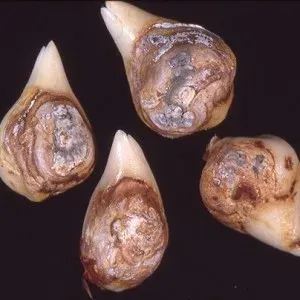
The most distinctive symptom is the development of a bluish-green or grayish velvety mold layer on the surface of seeds, fruits, or plant stems.
In humid conditions, this growth becomes denser and develops a powdery appearance, releasing spores when disturbed or touched.
Affected plant tissues often become soft, discolored, and necrotic, as the fungus breaks down the structural integrity of the plant matter.
In stored grains, the presence of the mold is marked by a characteristic musty or stale odor that permeates the entire batch of the product.
- Bluish-green powdery sporulation.
- Musty odor in stored harvests.
- Discoloration and softening of plant tissues.
Pathogen
The disease is caused by the microscopic fungus Penicillium verruculosum, a member of the Ascomycota division. It is a cosmopolitan pathogen that thrives in soil and plant residues.
The fungus is characterized by high enzymatic activity, allowing it to efficiently degrade cellulose and other plant polysaccharides within tissues.
Its primary method of dispersal is the massive production of conidia, which are easily transported by air currents to colonize new, susceptible substrates.
It acts as an opportunistic pathogen, often exploiting weakened plant tissues or poor storage environments to establish a rapid infection.
The biological versatility of this species allows it to survive in diverse environmental conditions, making it a persistent contaminant in agricultural systems.
Conditions for development
High relative humidity, typically exceeding 75%, is the primary factor triggering the development and spread of Penicillium verruculosum.
The temperature range between +20°C and +28°C is optimal for rapid fungal growth, though the fungus can persist and grow at lower temperatures as well.
Poor ventilation in warehouses creates micro-climates with trapped moisture, which provides an ideal environment for the mold to flourish.
Physical injuries to seeds or fruits during harvesting and transportation serve as entry points for the fungus to penetrate the protective outer layers.
The presence of debris, dust, and damaged grains in a storage bin increases the risk of mold outbreaks due to increased moisture retention.
Why it matters
The major impact of the disease is a significant reduction in seed vigor and germination rates, which leads to poor stand establishment in the field.
Stored agricultural products become unfit for human or animal consumption due to the damage caused by fungal colonization and tissue breakdown.
The metabolic activities of the fungus include the production of mycotoxins, which can pose serious health risks if contaminated material enters the food chain.
Plants affected during the growing season exhibit diminished immunity, leaving them prone to secondary infections by other opportunistic pathogens.
Economic losses are driven by the destruction of stored crops, the costs of facility decontamination, and the loss of marketable value of infected batches.
Protection
Ensuring the harvest is dried to a moisture content below 14% immediately after collection is the most effective way to prevent mold development.
Cleaning grain or produce to remove damaged portions and extraneous organic matter significantly lowers the initial inoculum load in storage.
Maintaining active aeration systems and monitoring temperature in storage facilities helps keep the environment unfavorable for fungal proliferation.
Seed treatment with professional systemic or contact fungicides provides a protective barrier against soil-borne infections during the early growth stages.
Regular sanitation, disinfection of containers, and deep cleaning of storage premises are essential to break the infection cycle of Penicillium mold.
Discussion
No discussions yet — be the first.