
Blue mold rot
Penicillium griseo-fulvum
Description
Symptoms
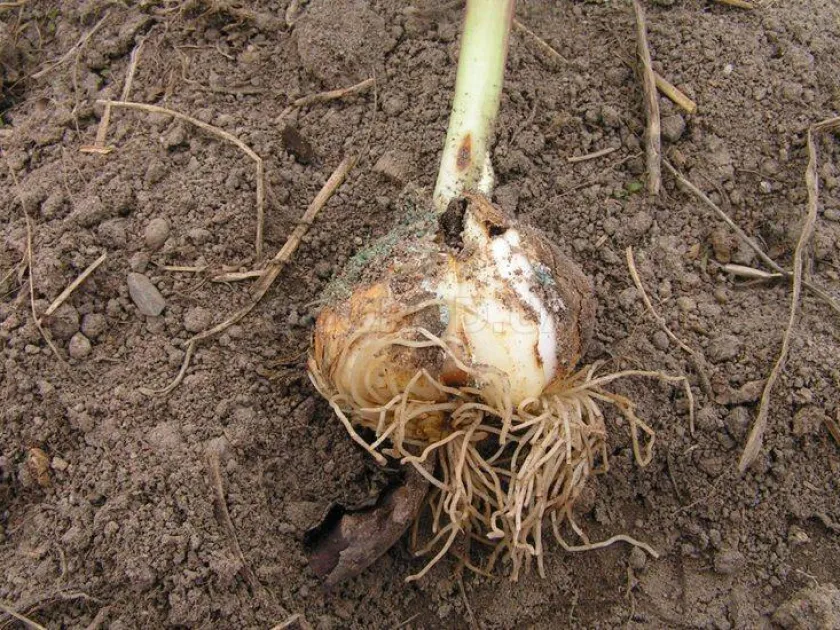
Initial symptoms manifest as small, soft, light-colored water-soaked spots that eventually darken into shades of brown as the decay progresses into deeper tissue.
A characteristic blue-green or gray-green powdery mass of spores develops on the surface of the lesions. This dusting is often visible to the naked eye under humid conditions.
The infected tissue becomes mushy and emits a distinct, unpleasant musty odor, resulting from the enzymatic degradation of plant cells and secondary microbial activity.
In seeds, the infection can cause discoloration, shriveling of the embryo, and a significant reduction in overall germination rates during storage.
If not contained, the rot spreads rapidly, creating circular colonies that merge until the entire organ is converted into a mass of decayed material covered in fungal spores.
Pathogen
The disease is caused by the fungus Penicillium griseo-fulvum, a common ubiquitous pathogen found in soil, plant debris, and storage facility environments. It is a highly aggressive post-harvest parasite.
The fungus secretes specialized enzymes that facilitate the breakdown of plant cell walls, leading to the softening and rapid decay of tissues. It is also a known producer of the mycotoxin patulin.
Reproduction occurs through the massive production of asexual spores called conidia, which are easily transported by air currents and mechanical contact throughout storage facilities.
The pathogen can survive as dormant spores or mycelia in cracks in wooden containers, walls, and soil, making it persistent in both field and warehouse settings.
Due to its biological flexibility, the fungus successfully infects various plant parts, primarily fruits, tubers, and seeds, exploiting any physiological weakness or physical injury.
Conditions for development
High relative humidity (usually above 85-90%) is the most significant environmental factor favoring the development and spore dispersal of Penicillium griseo-fulvum.
While the fungus prefers moderate temperatures, it remains metabolically active at low, near-refrigerated temperatures, allowing it to destroy produce even in cold storage.
Mechanical injuries, such as cuts, bruises, or skin abrasions, serve as critical entry points for the pathogen, as the fungus cannot easily penetrate intact plant cuticles.
Poor ventilation within storage rooms promotes the accumulation of moisture, creating perfect conditions for the initiation and rapid spread of the blue mold.
The presence of infested plant remains and lack of rigorous sanitation in warehouses ensure a high inoculum pressure for subsequent harvest batches.
Why it matters
Blue mold rot causes severe post-harvest losses, significantly reducing the shelf life and profitability of fruits, vegetables, and grain commodities.
The presence of mycotoxins, particularly patulin, renders the infected material unsafe for human or animal consumption, leading to the complete disposal of affected stock.
Beyond direct weight loss, the infection lowers the market value and physical quality of the entire product batch, requiring labor-intensive sorting and repacking.
In terms of agricultural production, seeds infected by this fungus show poor emergence and stunted growth, negatively impacting crop density and final yield.
The economic impact is compounded by the need for repeated disinfection of storage infrastructure and the potential for regulatory rejection of high-toxin produce.
Protection
The primary control strategy involves strict post-harvest sanitation, including the disinfection of storage rooms, sorting equipment, and containers with approved fungicides or sanitizers.
Implementing careful harvesting practices to minimize mechanical damage to the surface of the produce is crucial for preventing infection at the entry point.
Maintaining proper cooling and controlled atmosphere conditions, with efficient airflow, helps inhibit the germination of fungal spores and slows down the decay process.
Regular inspection and immediate removal of any infected produce from storage batches prevent the secondary spread of the pathogen to healthy items.
- Utilize resistant varieties that have thicker or more durable skins.
- Apply systemic seed treatments as a preventive measure against seedling infection.
- Avoid harvesting during wet weather to reduce surface moisture on crops.
Discussion
No discussions yet — be the first.