
Penicillium rot
Penicillium divergens
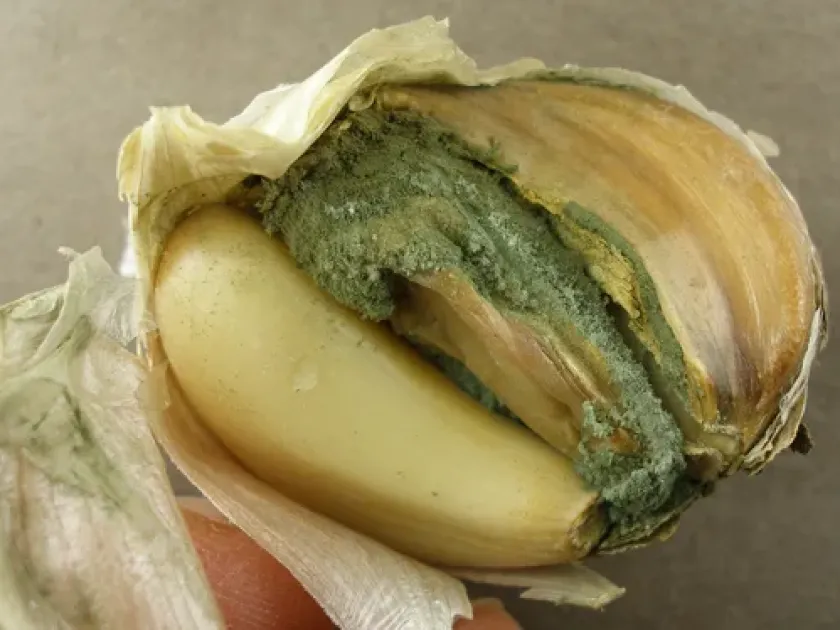
Description
Symptoms
Early symptoms appear as localized soft, discolored spots on the skin of the fruit or vegetable. These spots quickly expand as the fungus consumes the underlying tissue.
The most distinctive feature is the development of a moldy growth on the surface, which transitions from white to a characteristic blue-green or turquoise color due to conidial production.
The internal tissue becomes mushy and develops a strong, musty smell characteristic of mold spoilage. In severe cases, the entire structure of the produce may collapse.
In storage batches, the disease often spreads in circular patterns or "nests" where the fungus has jumped from a single infected fruit to the surrounding healthy ones.
Symptoms are most visible in high humidity environments, where the fluffy mycelial growth becomes lush and covers the affected area completely.
Pathogen
The causative agent of this disease is the fungus Penicillium divergens. It is a common species within the Penicillium genus, widely recognized as a saprotrophic organism that can become pathogenic under favorable conditions.
The fungus reproduces through microscopic conidia that are easily transported by wind, water splashes, and physical handling. It is known for its high resilience in soil and plant debris.
Infection primarily occurs through wounds, bruises, or micro-cracks on the surface of harvested produce. Once the barrier is breached, the fungus begins to colonize the interior tissues rapidly.
The biology of Penicillium divergens involves the secretion of extracellular enzymes that break down plant cell structures, providing nutrients for the fungal mycelium.
This pathogen is highly opportunistic and thrives in storage environments where hygiene standards are neglected or where susceptible produce is stored without proper protection.
Conditions for development
Development is heavily favored by high relative humidity levels, typically above 85-90%. These moist conditions are ideal for the rapid germination of fungal spores.
Temperatures ranging from 15 to 25 degrees Celsius create the perfect environment for the growth of Penicillium divergens, although it can remain active at lower storage temperatures.
Poor ventilation in warehouses allows moisture to accumulate, creating condensation that promotes the spread of the pathogen throughout the entire storage pile.
Mechanical injuries sustained during harvest or transport are the primary factors that allow the fungus to enter the fruit and begin its life cycle.
The presence of contaminated wooden crates, bins, or improper storage floor cleaning provides a reservoir for spores that can infect new batches of produce.
Why it matters
The primary damage caused by Penicillium rot is the massive loss of inventory in storage. It is one of the most common causes of post-harvest crop wastage globally.
The fungus produces mycotoxins, which can render the produce unsafe for consumption. This poses risks to both market value and food safety, requiring the disposal of entire batches.
Economic losses are compounded by the high cost of labor required for sorting, inspecting, and disposing of infected produce to prevent further contamination.
The quality and shelf life of the remaining healthy produce are compromised if the environment is not immediately managed, leading to a domino effect of spoilage.
The disease reduces the marketable appearance of fruits and vegetables, causing retailers to reject shipments and creating logistical issues for farmers and exporters.
Protection
Preventative measures start in the field, focusing on controlling pests that cause skin damage and ensuring fruits are harvested during dry weather conditions.
Post-harvest hygiene is critical: warehouses, storage bins, and sorting equipment must be thoroughly disinfected using approved cleaning agents before and after the season.
Maintaining optimal cold chain conditions and consistent ventilation helps keep the surface of the produce dry, effectively inhibiting fungal spore germination.
Regular monitoring of stored produce is essential. Early identification and removal of any rotting units can save the rest of the batch from a full outbreak.
- Strict sanitation of storage facilities
- Gentle harvesting to prevent bruising
- Optimal temperature and humidity management
- Use of clean, disinfected storage containers
- Regular inspections and removal of infected items
Discussion
No discussions yet — be the first.