
Paraphaeosphaeria michotii
Paraphaeosphaeria michotii
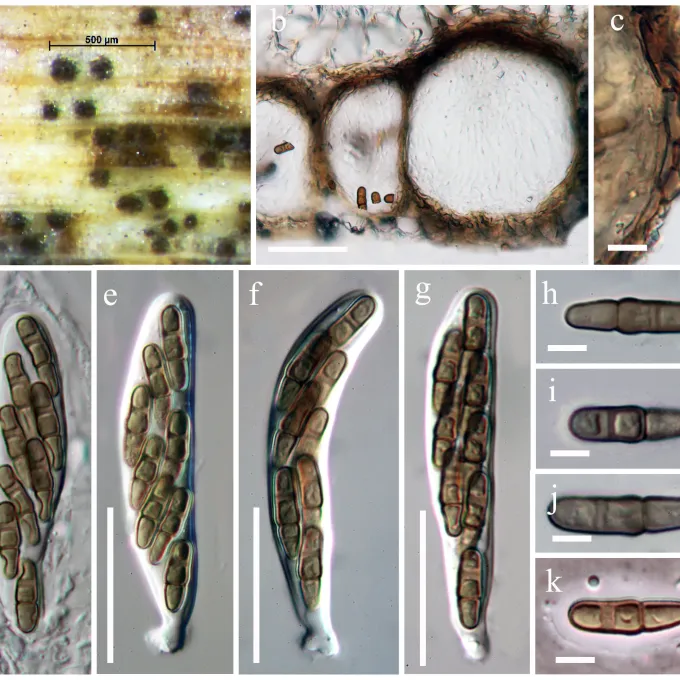
Description
Symptoms
Typical symptoms include the appearance of spots on leaves and stems, which may range from brown to grey or straw-colored, depending on the severity of the infection.
Small, dark, pinhead-sized structures (pseudothecia or pycnidia) become visible within the necrotic lesions, serving as a key diagnostic feature for this pathogen.
In cases of stem infection, tissues may darken and lose their structural integrity, which can lead to premature senescence or lodging of the plants.
Lower leaves usually show the first signs of the disease, with the infection gradually moving upward through the canopy if moisture levels remain high.
The disease often results in general chlorosis and early wilting of the infected plant parts, significantly impacting the vegetative health of the crop.
Pathogen
The fungus Paraphaeosphaeria michotii (formerly known as Leptosphaeria michotii) is a member of the Dothideomycetes class. It primarily functions as a saprotroph but can act as a pathogen under favorable conditions.
The life cycle involves the production of pseudothecia, which contain asci and ascospores. These spores are released and spread via wind or water, initiating primary infections in plants.
In addition to sexual reproduction, the fungus produces conidia, allowing it to rapidly spread during the growing season when environmental conditions support fungal activity.
The pathogen survives the winter in plant debris, dead stalks, or soil, making it a persistent threat in fields where crop residues are left on the surface.
Its ability to adapt to various substrates and hosts makes it a complex pathogen often involved in mixed infections alongside other leaf-spotting fungi.
Conditions for development
The development of Paraphaeosphaeria michotii is heavily dependent on moisture. Prolonged leaf wetness and high relative humidity are essential for spore germination and infection.
Optimal temperatures for fungal growth generally fall within the range of 15 to 25 degrees Celsius, making spring and early summer high-risk periods.
Poor crop rotation practices, where susceptible crops are grown consecutively, allow the fungus to maintain a high inoculum density within the field environment.
Dense, poorly ventilated canopy structures trap humidity, creating a micro-environment that significantly accelerates the spread of the fungus among plants.
Stress factors such as drought or nutritional imbalances weaken plant immunity, making them more susceptible to colonization by the pathogen.
Why it matters
The primary damage caused by the fungus is the reduction of the photosynthetic surface area due to widespread leaf spotting, leading to lower grain yield.
Damage to stem tissues can impede the translocation of nutrients and water, which negatively affects seed filling and the overall size of the harvested product.
Heavy infections lead to reduced grain quality, including lower test weight and potentially inferior milling or nutritional characteristics.
The disease forces the crop to mature prematurely, which shortens the grain-filling period and prevents the plant from reaching its full genetic potential for yield.
Economic losses are compounded by the need for costly fungicide applications and the potential for long-term soil contamination if fields are not properly managed.
Protection
Effective management begins with integrated agricultural practices, such as burying crop residues to accelerate decomposition and reduce the survival of the fungus.
Implementing a strict crop rotation cycle is essential to interrupt the life cycle of the pathogen and limit the buildup of inoculum in the field.
Fungicidal treatments are recommended when environmental conditions are conducive to disease and the threshold for infection risk has been exceeded.
Selecting resistant or tolerant cultivars is a sustainable strategy to mitigate the impact of the disease on large-scale agricultural operations.
- Regular monitoring of fields for early detection of necrotic symptoms.
- Balanced fertilization to ensure optimal plant vigor and resistance.
- Effective weed control to eliminate alternative hosts for the pathogen.
Discussion
No discussions yet — be the first.