
Paraisaria gracilis
Paraisaria gracilis
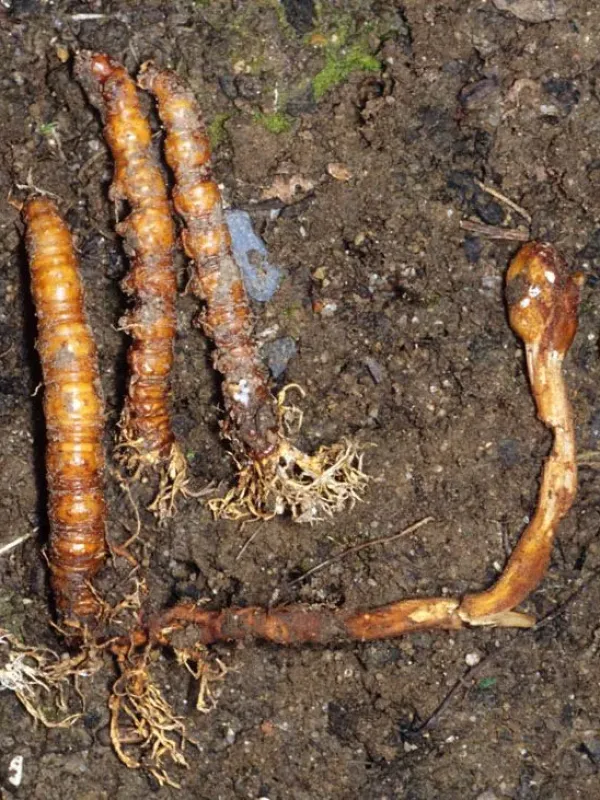
Description
Symptoms
The primary symptom of infection is the emergence of thin, white or cream-colored filamentous growth protruding from the host's body.
Over time, the host becomes completely covered in a dense fungal mycelium, a process that leads to the mummification of the infected insect.
In soil environments, one can observe the characteristic slender reproductive structures reaching above the surface, often in clusters.
The insect typically stops feeding shortly before death, remaining in place while the fungus completes its reproductive cycle.
Microscopic examination reveals distinct conidiophores that are slender and elongated, which is a key morphological identifier for Paraisaria gracilis.
Pathogen
Paraisaria gracilis is an entomopathogenic fungus belonging to the Clavicipitaceae family, known for its ability to infect and kill insect hosts.
Unlike phytopathogens that attack plants, this fungus acts as a biological agent targeting larvae and pupae within the soil or on decaying organic matter.
The fungus invades the host via spores, which germinate and penetrate the insect's cuticle, leading to a systemic infection that eventually causes the death of the host.
Development proceeds with the colonization of the internal tissues by fungal hyphae, turning the insect cadaver into a substrate for future reproduction.
Research into this species is ongoing, focusing on its potential as a biological control agent for managing specific pest populations in diverse agroecosystems.
Conditions for development
High humidity and moisture are the most critical factors for the germination of spores and the successful establishment of the fungus on a host.
The fungus thrives within a temperature range of 18°C to 25°C, preferring environments with minimal exposure to direct, harsh sunlight.
Soil with significant amounts of organic debris provides a stable habitat for the fungus to persist during periods of low insect activity.
In greenhouse settings, poor ventilation and high irrigation levels can lead to rapid spread of the fungus among pest populations.
Cool, damp, and shaded conditions are optimal for the fungus to propagate and produce spores, facilitating its transmission within the environment.
Why it matters
Paraisaria gracilis is generally considered beneficial or neutral in agricultural settings as it does not infect plant tissues directly.
Potential harm may occur if the fungus negatively impacts beneficial insect populations, such as pollinators or natural predators of agricultural pests.
However, no major crop yield losses have been attributed to this fungus, making it a low-risk organism in terms of plant pathology.
In some contexts, its presence is seen as an indicator of a healthy, biologically active soil, though this depends on the specific insect species affected.
Overall, the harm caused by this fungus is negligible to the crops themselves, and it is usually viewed in the context of insect population management.
Protection
Specific control measures for Paraisaria gracilis are rarely necessary, given that it does not pose a threat to plant health.
To reduce the presence of the fungus in intensive farming environments, managing soil moisture and improving drainage are highly effective practices.
Proper aeration of the soil and adequate spacing between plants can prevent the creation of microclimates that favor fungal development.
Standard fungicide applications used for managing plant pathogens often have a suppressive effect on Paraisaria gracilis as well.
In cases where it is desired to lower its population, maintaining clean field conditions and removing excess organic mulch can help disrupt the fungus life cycle.
Discussion
No discussions yet — be the first.