
Paraglomeraceae
Paraglomeraceae
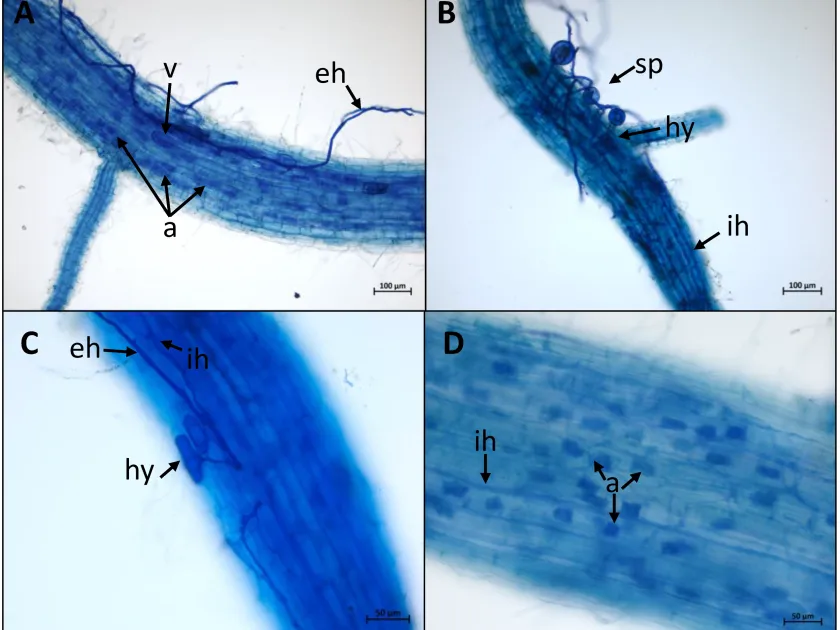
Description
Pathogen
Paraglomeraceae is a family of fungi within the order Paraglomerales. It is crucial to clarify that these fungi are not plant pathogens; instead, they are essential beneficial symbionts that establish arbuscular mycorrhizal (AM) associations with the roots of various plants.
These fungi penetrate root cells to form specialized structures known as arbuscules. Through these arbuscules, the fungus facilitates the transport of mineral nutrients, such as phosphorus and nitrogen, from the soil to the plant in exchange for carbohydrates.
As obligate biotrophs, Paraglomeraceae cannot complete their life cycle without a host plant. They rely entirely on the root system for carbon sources, which dictates their distribution and density within the rhizosphere of healthy crops.
Taxonomically, they are identified by the unique structure of their spores, which develop either within the roots or in the surrounding soil. Their cell wall structure is specifically adapted to endure environmental fluctuations in the soil matrix.
In professional agronomy, these fungi are recognized for their ecological value. They are not targets for control but are studied as bio-stimulants that enhance plant vigor and productivity in diverse agricultural ecosystems.
Conditions for development
The primary prerequisite for the survival of Paraglomeraceae is the presence of an active host root system. In the absence of living roots, the fungi remain dormant in the soil as spores, which can persist for extended periods.
Soil moisture levels are critical for the active colonization of roots. Excessive water saturation or extreme desiccation limits the extension of fungal hyphae, thereby reducing the efficacy of the mycorrhizal network.
Soil pH levels significantly influence the colonization rate. Paraglomeraceae typically thrive in neutral to slightly acidic environments, where the availability of minerals is optimal for both the fungus and the host plant.
Nutrient management practices, particularly the application of high-phosphorus fertilizers, can modulate the symbiotic relationship. High availability of soluble phosphorus often suppresses the plant's requirement for mycorrhizal intervention.
Soil temperature dictates the speed of spore germination and hyphal growth. Stable soil temperatures during the growing season are essential to ensure consistent colonization and sustained nutrient uptake for the crop.
Why it matters
Paraglomeraceae fungi are not harmful to agricultural crops; they are strictly beneficial. There is no need for chemical control, as their presence supports long-term soil health and plant resistance against environmental stresses.
The symbiotic association provides a significant nutritional advantage by expanding the root absorption surface area. The extensive network of hyphae accesses soil micro-pores, ensuring the efficient uptake of phosphorus and micronutrients.
Mycorrhizal fungi play a vital role in water transport, helping plants withstand drought conditions. By improving the hydration status of the host, these fungi contribute to stable yields even under moisture-limited scenarios.
Additionally, they provide a biological defense mechanism against root pathogens. The physical presence of hyphae in the root cortex acts as a barrier, while the symbiosis induces systemic resistance in the plant.
Modern sustainable farming practices emphasize the preservation of these mycorrhizal networks. Minimizing deep tillage and avoiding excessive synthetic inputs protects the fungal community, promoting robust and resilient plant growth.
Discussion
No discussions yet — be the first.