
Paraconiothyrium canker
Paraconiothyrium fuckelii
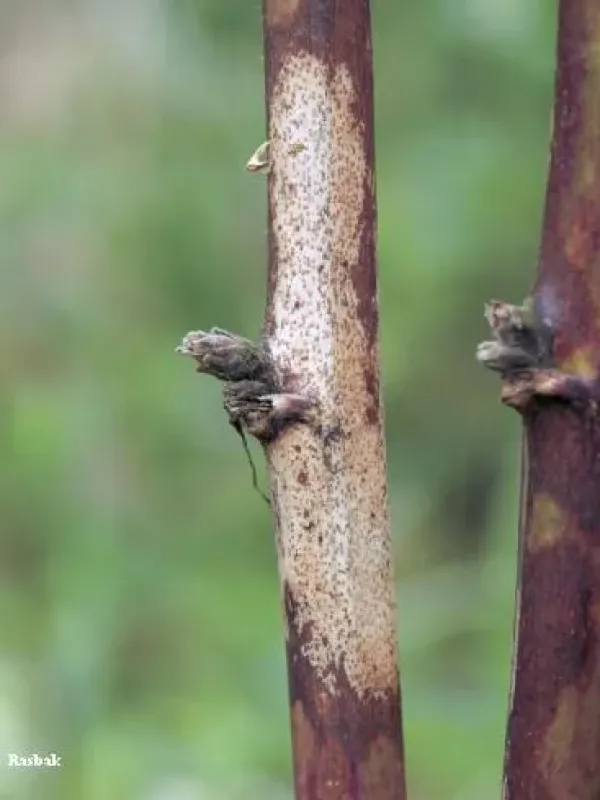
Description
Symptoms
The most common symptom is the development of sunken, reddish-brown to dark brown lesions on branches or stems. These cankers may expand and eventually girdle the branch, leading to dieback.
Small, black, pimple-like structures, known as pycnidia, appear on the surface of the canker during humid weather. These are the fruiting bodies where the fungus produces its spores.
As the disease progresses, the bark on the affected area may crack, peel away, or look shriveled. Beneath the dead bark, the underlying wood often exhibits brownish discoloration and rot.
Leaves on infected branches may turn yellow, wilt, and drop prematurely. This symptom is often the result of the branch being girdled by the canker, cutting off the supply chain from the roots.
Severe cases often feature multiple cankers along the same branch, creating a systemic dieback appearance that significantly reduces the health and structural integrity of the plant.
Pathogen
The fungus Paraconiothyrium fuckelii is the primary pathogen responsible for this bark canker disease. It is a pycnidial fungus that produces spores within small, flask-like structures embedded in the host plant's tissue.
The fungus survives the winter as dormant mycelium or pycnidia within the bark of infected branches. When weather conditions become favorable in the spring, the fungus releases conidia, which spread via wind or water splashes.
Infection primarily occurs through wounds on the bark. These injuries can be caused by pruning, insects, frost cracks, or mechanical damage from gardening equipment, which provide direct access for the fungal mycelium.
Once inside the plant tissue, the pathogen colonizes the phloem and cambium layers. As the infection progresses, it disrupts the vascular system, preventing the transport of water and nutrients to the distal parts of the stem.
The biological nature of this fungus makes it a persistent pathogen, particularly in woody ornamental and fruit-bearing plants, requiring careful observation and management strategies.
Conditions for development
Development of the disease is highly favored by cool to moderate temperatures and high moisture levels. Frequent rainfall and persistent dew provide the necessary surface moisture for spore germination.
Poor air circulation within the canopy of trees or shrubs creates a humid microclimate that encourages fungal growth. This is particularly prevalent in dense, unpruned, or overcrowded plantations.
High humidity combined with limited sunlight prevents the bark from drying out quickly, which allows the fungus more time to penetrate the bark layers through minor wounds or pores.
Environmental stress, such as winter freeze-thaw cycles that cause cracks in the bark, serves as a significant trigger for the disease onset, as the tissue is more susceptible when damaged.
Lack of proper sanitation in the garden, such as leaving diseased pruning waste near healthy plants, facilitates the spread of the pathogen by increasing the spore load in the immediate environment.
Why it matters
The primary damage caused by Paraconiothyrium fuckelii is the progressive dieback of stems and branches, which can lead to the death of the entire plant if left untreated.
Aesthetically, the presence of ugly, necrotic cankers significantly detracts from the appearance of ornamental plants, making them unsuitable for landscaping or commercial display.
Productivity in fruit-bearing trees is severely impacted as the loss of bearing wood reduces overall harvest yields. Persistent infection weakens the plant's structural strength, making it vulnerable to breakage.
Economic losses arise from the costs of intensive pruning, disposal of plant waste, and the potential need to replace entire trees if they become beyond recovery.
By weakening the host, this fungus also makes the plants more prone to infestation by wood-boring insects and other secondary diseases, leading to a synergistic decline in plant health.
Protection
Sanitation is the cornerstone of control. All infected branches must be pruned well below the site of the canker into healthy wood, ensuring that no fungal tissue remains.
Sterilizing pruning tools with alcohol or a bleach solution between every cut is essential to prevent moving the pathogen from an infected area to a healthy branch.
Preventative fungicide applications, particularly those based on copper, can help protect healthy tissue during vulnerable times, such as after pruning or during spring growth.
Promoting general plant health through balanced fertilization and appropriate irrigation helps the plant recover from stress and builds natural defenses against bark invaders.
Regular pruning to open up the canopy improves air circulation and light penetration, effectively creating a drier environment that is less conducive to the survival and spread of the fungus.
Discussion
No discussions yet — be the first.