
Paraconiothyrium
Paraconiothyrium
Description
Symptoms
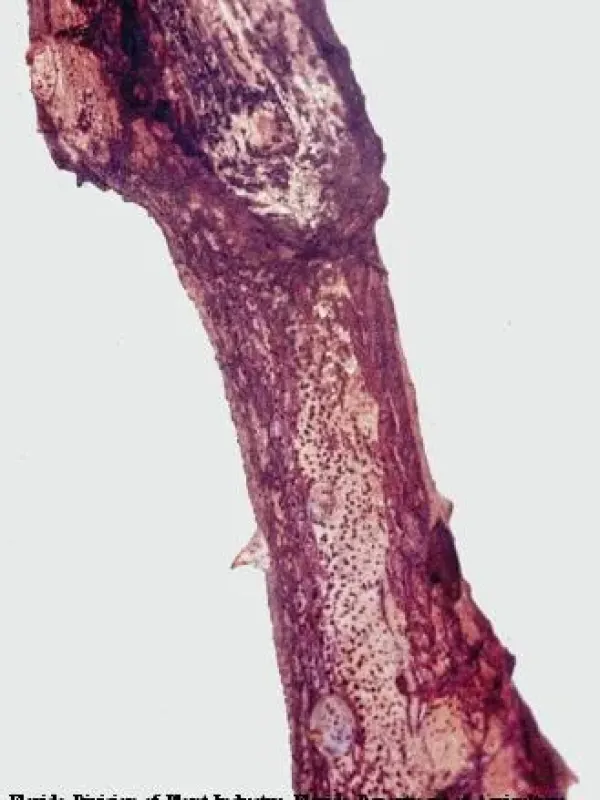
Initial symptoms include the appearance of necrotic lesions on the bark, which may initially look like small, sunken discolorations. These spots enlarge over time, often creating cankers.
A hallmark of the disease is the development of visible black fruiting bodies, known as pycnidia, scattered on the surface of the infected bark, giving it a bumpy texture.
Symptoms often progress to shoot dieback, where the tips of branches turn yellow, then brown, and eventually wither away. This results in significant loss of vigor and symmetry in the plant canopy.
On coniferous hosts, needles may show discoloration starting from the base or tip, leading to premature needle drop and a thinning appearance of the overall foliage.
If the bark is carefully peeled back, one can often see necrosis of the underlying cambium, which confirms that the infection has moved beyond superficial damage.
Pathogen
The disease is caused by fungal pathogens belonging to the genus Paraconiothyrium. These are coelomycetous fungi that typically form pycnidia within the host tissues as their primary reproductive structures.
The life cycle involves the production of conidia within these pycnidia. These spores are disseminated via splashing rain, irrigation, or wind, allowing the fungus to spread rapidly across dense plantings.
Paraconiothyrium species are often opportunistic, taking advantage of stressed plant tissues. They can persist as saprotrophs on fallen debris, waiting for conditions that favor their infection cycle.
Recent taxonomic revisions have refined the classification of this genus. Understanding the specific biology of these fungi is essential for accurate identification and effective biological control.
The fungus colonizes the bark and cambium layers of woody plants, effectively disrupting the vascular system and preventing the transport of water and nutrients throughout the host.
Conditions for development
High humidity and prolonged periods of leaf wetness are the primary environmental factors that promote the development of Paraconiothyrium infections.
Poor aeration in dense plantings creates stagnant microclimates where the fungus thrives. This is particularly problematic in nurseries where plants are tightly spaced.
Physical wounding of the plant tissue, whether from pruning, heavy rainfall, hail, or insects, provides an entry point for the fungal spores to establish colonies.
Temperatures that remain consistently within the moderate range (15-25°C) are ideal for the rapid growth of the mycelium within the host tissue during the growing season.
Plants suffering from environmental stress, such as drought, nutrient deficiency, or poor soil drainage, are significantly more susceptible to successful colonization by the pathogen.
Why it matters
The primary damage caused by Paraconiothyrium is the blockage of the vascular system, which leads to the decline and eventual death of individual branches or the entire plant.
In ornamental horticulture, the disease results in severe aesthetic degradation, making the plant unsalable and reducing the economic value of nursery stock.
Persistent infections can weaken the plant over several seasons, rendering it more vulnerable to secondary infestation by bark beetles and other opportunistic pests.
Loss of foliage and shoot tissue reduces the plant's photosynthetic capacity, causing stunted growth and a general lack of health that is difficult to reverse once fully established.
Managing the disease requires significant time and resource investment, including the removal of infected parts and continuous monitoring for further symptoms.
Protection
Sanitation is the most critical management practice. Any infected branch or plant material should be immediately removed and destroyed to reduce the inoculum load in the vicinity.
Preventative applications of copper-based fungicides can be highly effective when applied during periods of peak susceptibility, such as cool, wet spring weather.
Proper pruning techniques should be used to encourage airflow throughout the canopy. Thinning branches helps keep the foliage dry and minimizes the survival of fungal spores.
Maintaining a balanced nutritional program and adequate irrigation prevents plant stress, which serves as the best defense against fungal invasion.
- Disinfect all pruning tools with a bleach solution between plants to prevent cross-contamination.
- Avoid overhead irrigation that keeps the foliage wet for extended hours.
- Select resistant cultivars whenever possible for new landscape projects.
Discussion
No discussions yet — be the first.