
Bacterial wilt of carnation
Paraburkholderia caryophylli
Description
Symptoms
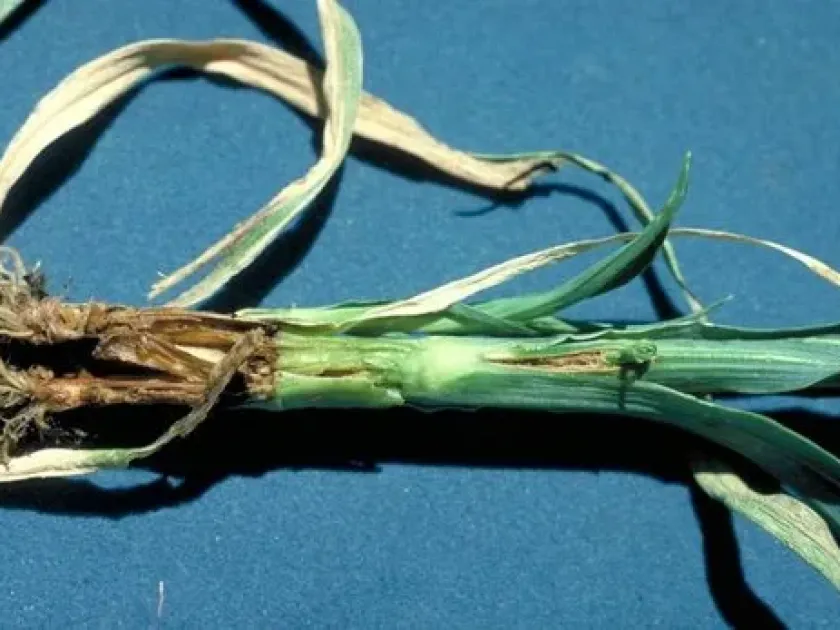
Early symptoms include a gradual yellowing and loss of luster in the lower leaves, followed by drooping during the warmer parts of the day.
As the infection progresses, the entire plant exhibits permanent wilting despite sufficient soil moisture levels.
Internal examination of the stem reveals a characteristic browning of the vascular tissue and a distinct bacterial ooze if squeezed.
Root systems may show decay, and the base of the stem often becomes soft and discolored as the bacteria destroy internal cellular structures.
Severe cases result in the rapid death of the plant, which often collapses completely and becomes a source of inoculum for neighboring plants.
Pathogen
The causative agent of this disease is the bacterium Paraburkholderia caryophylli, which specifically targets the vascular system of the host plant.
This pathogen is gram-negative and rod-shaped, capable of systemic infection within the carnation plant (Dianthus caryophyllus).
It can persist in the soil and contaminated plant debris for several years, making it a difficult pathogen to eradicate once established.
The bacteria utilize systemic movement through the xylem, effectively blocking the plant's natural transport of water and nutrients.
Survival of the pathogen is also facilitated by contaminated water sources and non-sterilized cultivation tools used during routine maintenance.
Conditions for development
High temperatures, typically between 25°C and 30°C, provide optimal environmental conditions for the proliferation of P. caryophylli.
Excessive humidity in the greenhouse environment, combined with waterlogged soil, significantly promotes the spread of the disease.
Mechanical damage to roots during transplanting or cultivation provides direct entry points for the bacteria into the plant's vascular system.
Poor hygiene practices, such as failing to disinfect tools after cutting, facilitate the rapid transmission of the pathogen between beds.
Overcrowding of plants increases the localized humidity and enhances the likelihood of contact spread between healthy and infected individuals.
Why it matters
Bacterial wilt is arguably the most destructive disease for carnation production, capable of causing near-total crop failure in susceptible environments.
The systemic nature of the infection means that once a plant shows clear signs of wilting, it is already beyond recovery and must be destroyed.
The pathogen can remain latent in planting material, allowing it to be introduced into new greenhouses without immediate detection.
The economic impact includes not only the loss of the current crop but also the substantial costs associated with soil decontamination or replacement.
Inability to manage the disease effectively often leads to mandatory quarantine measures and cessation of production in heavily infested areas.
Protection
The most effective strategy is to start with disease-free cuttings obtained from reputable, pathogen-tested tissue culture laboratories.
Strict sanitation measures must be enforced, including the regular sterilization of all pruning tools and containers used in the greenhouse.
Implement proper irrigation management to maintain optimal soil moisture and prevent waterlogging, which is a key trigger for bacterial spread.
Immediately remove and destroy any plants showing symptoms of wilting to reduce the pathogen population within the growing area.
For soil-grown carnations, pre-plant soil steam sterilization or chemical fumigation is recommended to minimize the risk of soil-borne infection.
Discussion
No discussions yet — be the first.